Pad Mounted Transformer Testing Documents and Factory Inspection: How Elena Verified Quality Before Shipment
1. Elena's Quality Review Started Before Shipment
Elena Brooks, a procurement manager and project quality coordinator for a large commercial development, faced a critical deadline. Her site was preparing to receive three new pad mounted transformer units to power a mixed-use retail and office complex. The concrete pads were poured, the underground high-voltage cables were pulled, and the utility inspector was scheduled for the following month.
However, Elena did not want to discover a voltage mismatch, missing accessory, wrong nameplate data, or incomplete test document after the transformer arrived at the project site. Returning a 5,000-pound piece of electrical equipment due to a manufacturing oversight would cause catastrophic delays and crane rental penalties. She knew that reliable transformer quality should be shown through verifiable documents, factory inspection photos, test reports, accessory confirmation, nameplate review, and shipment readiness, not through empty marketing claims.
Before authorizing the final payment and releasing the shipment, Elena initiated a rigorous factory inspection and document review process. She required the manufacturer to prove that the finished units matched the approved technical data sheet, drawings, and utility specifications exactly.
2. Why Testing Documents Matter for Pad Mounted Transformer Buyers
For pad mounted transformer buyers, testing documents are the only objective proof of performance and safety. A transformer might look perfectly painted on the outside, but its true value lies in the invisible magnetic core, the winding insulation, and the dielectric strength of the oil inside the sealed tank.
Testing documents protect the buyer from accepting a unit with high internal losses, poor voltage regulation, or compromised insulation that could lead to a premature short circuit. Furthermore, local utility companies and electrical inspectors strictly require a certified factory test report before they will authorize the grid connection. Without these documents, the transformer is essentially a heavy steel box that cannot be legally energized. Elena understood that securing the pad mounted transformer testing documents before the unit left the factory was her primary leverage to ensure compliance.
3. Routine, Type and Special Tests: What Elena Needed to Understand Before Shipment
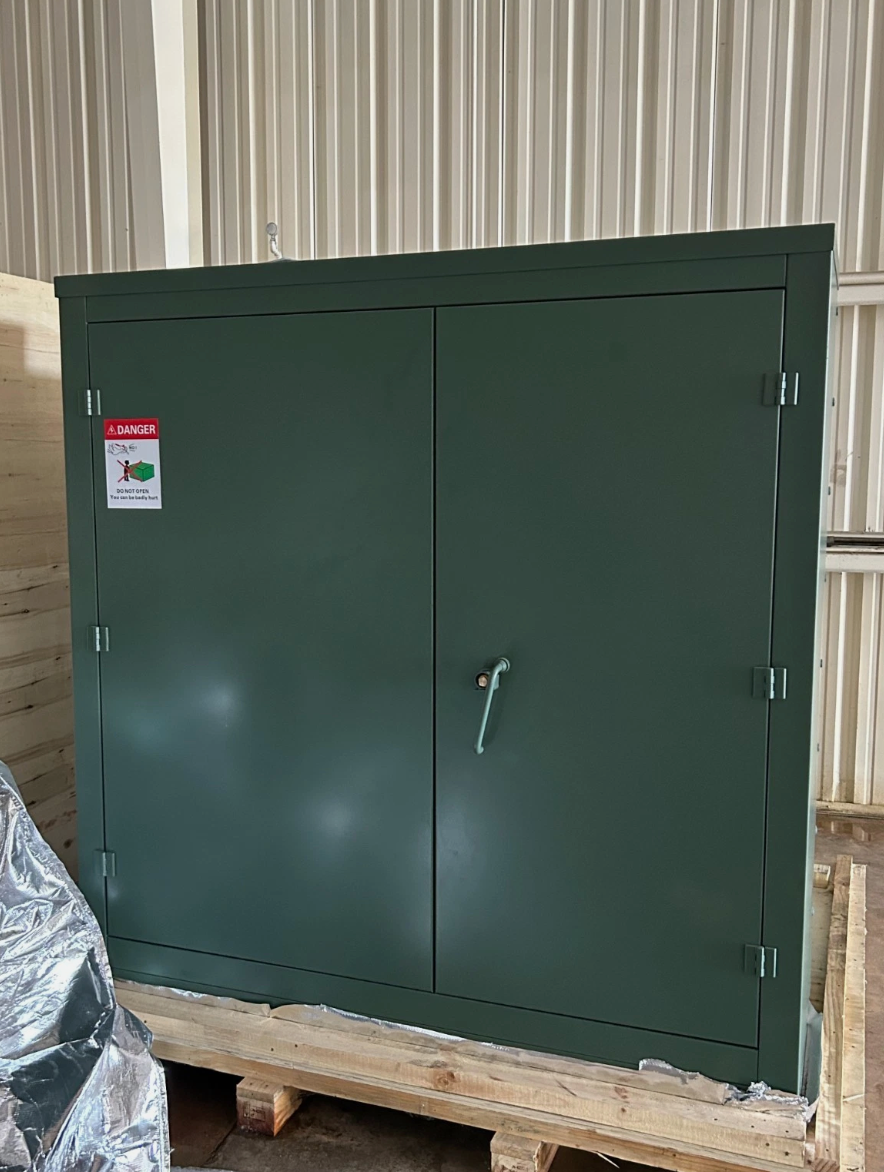
When Elena received the initial testing package, she saw references to various test categories. To effectively review the data, she needed to understand the distinction between routine tests, type tests, and special tests according to IEEE/ANSI or IEC standards.
She learned that not every test is performed on every single transformer. Some tests verify the fundamental engineering design of a product line, while others verify the manufacturing execution of the specific unit sitting on the factory floor. By categorizing the tests, Elena could cross-reference the factory test report against her project's specific contractual requirements.
4. Routine Tests: The Factory Checks Elena Expected for Each Transformer
A routine test report contains the tests performed on every individual transformer manufactured. Elena verified that the serial numbers on the routine test reports matched the serial numbers of the three units she was purchasing. The routine tests she reviewed included:
- Winding resistance: Measures the DC resistance of the copper or aluminum coils to ensure there are no broken strands or poor internal connections.
- Voltage ratio: Confirms that the ratio of primary turns to secondary turns is exact, ensuring the transformer steps down the voltage correctly across all tap changer positions.
- Connection group: Verifies the phase displacement and vector group (e.g., Dyn11) matches the facility's electrical system.
- Insulation resistance: Uses a megohmmeter to check the integrity of the insulation between the windings and the grounded core/tank.
- No-load loss and no-load current: Measures the power consumed by the magnetic core when energized but unloaded, verifying the core steel quality and assembly.
- Load loss and short-circuit impedance: Measures the power lost in the windings under full load and confirms the impedance percentage matches the approved drawings for proper breaker coordination.
- Dielectric tests: Applies overvoltage (applied voltage and induced voltage tests) to ensure the insulation can withstand grid fluctuations without breaking down.
- Oil test: Checks the dielectric breakdown voltage of the insulating oil to ensure it is free of moisture and contaminants.
- Partial discharge: (Often required for higher voltages or cast-resin units, but sometimes applied to critical oil-filled units) Checks for microscopic insulation voids that could degrade over time.
5. Type Tests: Design Verification, Not Always Repeated for Every Unit
Type tests are rigorous, expensive, and time-consuming tests performed on a prototype or a representative unit of a specific design family. They prove that the engineering design itself is sound. Elena requested the type test certificates for the transformer model she was buying, understanding they might not bear her exact serial numbers.
The critical type tests included the temperature rise test, which runs the transformer at full load until the temperature stabilizes, proving the cooling system (radiators and oil volume) can dissipate the heat without exceeding the specified limits (e.g., 65°C rise). Another vital type test is the impulse voltage test (verifying the BIL), which simulates a lightning strike to prove the high-voltage insulation clearances are sufficient.
6. Special Tests: When the Buyer, Utility or Consultant Requires More
Special tests are only performed if explicitly requested in the contract or required by a specific utility standard. Elena's consulting engineer had specified a few special tests due to the commercial facility's location near a residential zone.
She reviewed the sound level test to ensure the transformer's hum would not violate local noise ordinances. Other special tests she learned about included the short-circuit withstand test (a highly destructive test usually done only on prototypes to prove mechanical strength during a fault), capacitance measurements, and long-duration induced voltage tests.
7. Rated Capacity, Primary Voltage and Secondary Voltage
Moving from the test data to the physical specifications, Elena cross-checked the most fundamental parameters. She verified the rated capacity (e.g., 1500 kVA) was correct. A mistake here would mean the transformer could not support the commercial building's peak load.
She then rigorously checked the primary voltage (e.g., 13800V or 12470GrdY/7200V) and the secondary voltage (e.g., 480Y/277V). If the primary voltage on the transformer did not match the utility's grid voltage exactly, the unit would be useless and potentially dangerous to energize.
8. Frequency, Phase and Connection Group
Elena confirmed the frequency was set to 60Hz for her North American project. A 50Hz transformer operated on a 60Hz grid (or vice versa) experiences severe core saturation and overheating issues. She verified the units were three-phase, as required by the commercial HVAC and elevator loads. Finally, she checked the connection group (vector group) to ensure the phase shift matched the rest of the facility's switchgear, allowing for proper grounding and potential future parallel operation.
9. BIL, Impedance and Tap Changer
The Basic Impulse Level (BIL) dictates the transformer's ability to survive transient overvoltages like lightning. Elena verified the primary BIL was 95kV, matching the utility specification.
She checked the short-circuit impedance on the routine test report. The approved drawings required 5.75% impedance. The test report showed 5.81%, which was well within the acceptable standard tolerance (usually ±7.5% of the specified value). She also confirmed the tap changer was installed and tested, providing the necessary ±2x2.5% voltage adjustment steps to compensate for grid voltage drops during peak summer hours.
10. No-Load Loss, Load Loss and Temperature Rise
Elena's company was highly focused on energy efficiency and operating costs. She reviewed the measured no-load loss and load loss values on the routine test report against the guaranteed maximums in her purchase contract. The factory measurements were slightly below the guaranteed maximums, confirming the core steel and winding materials met the efficiency standards. She also verified the temperature rise was rated for 65°C, ensuring the insulation would achieve its expected 20-to-30-year lifespan under normal loading.
11. Accessories Are Not Small Details: What Elena Checked Before Shipment
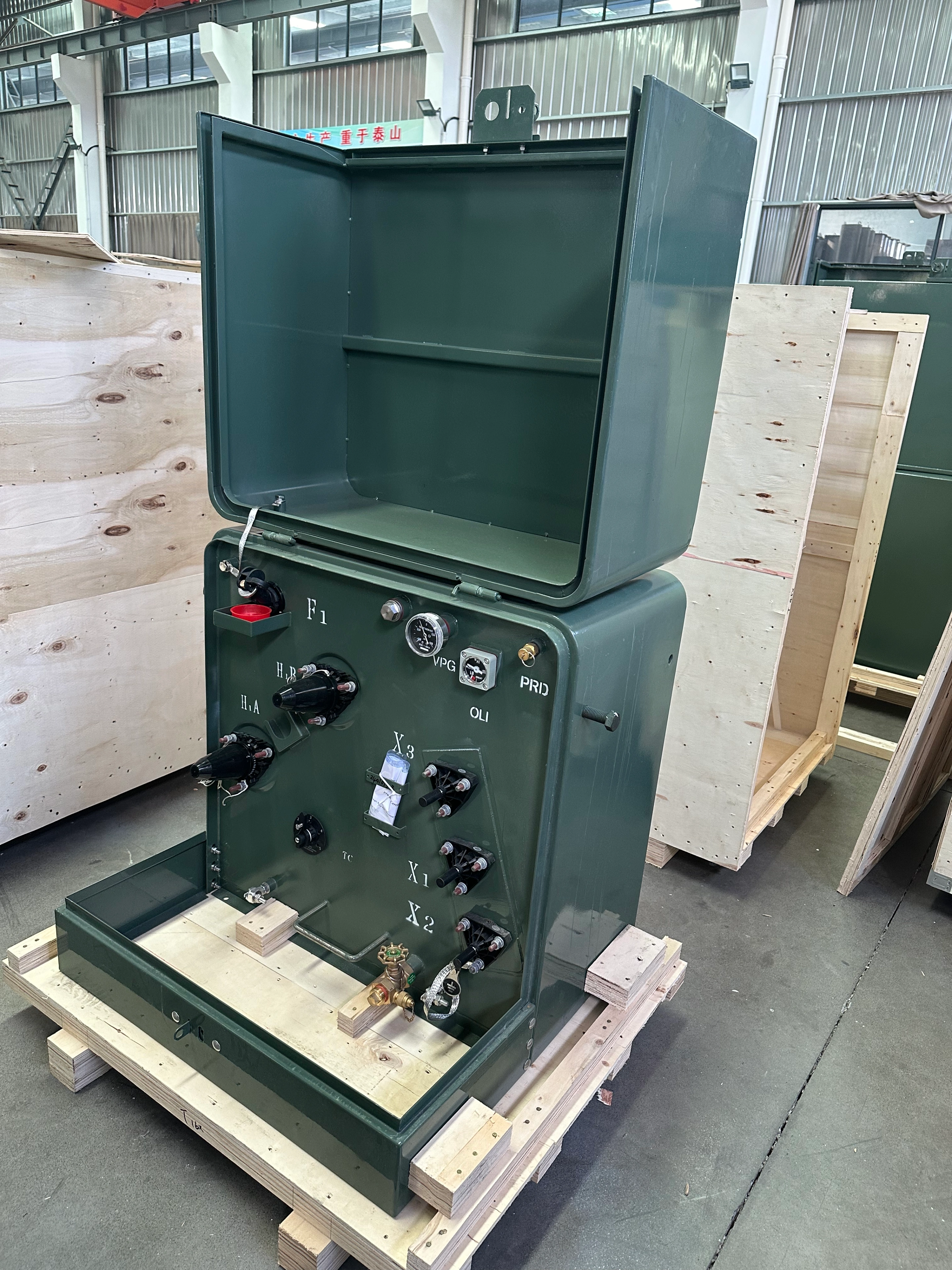
A pad mounted transformer is a complex system of protective and operational accessories. Missing a single accessory can halt the utility inspection. Elena used the factory inspection photos and the bill of materials to verify every required component was installed.
She checked the cabinet exterior for lifting lugs, hinged doors with proper stainless steel hinges, and the required penta-head locking mechanism. Inside the high-voltage compartment, she verified the parking stand brackets (for holding insulated standoff bushings during maintenance), the HV bushings (dead-front wells or live-front porcelain), and the ground bar.
For protection, she confirmed the presence of the bayonet fuse assemblies (for overload protection) and the ELSP fuse (current-limiting backup fuse for internal faults). She checked the tank for the pressure relief valve, drain valve with sampler, thermometer, oil level gauge, and the grounding pads. In the low-voltage compartment, she verified the LV plate and the secondary spade terminals matched her cable lug requirements.
12. Nameplate, Drawings, Dimensions and Weight
The nameplate is the transformer's legal identity card. Elena requested a clear, high-resolution photo of the stainless steel nameplate attached to each unit. She read every line, ensuring the kVA, voltages, impedance, vector group, weight, and oil volume matched the approved technical data sheet perfectly.
She then compared the overall dimension drawing and foundation drawing against the physical unit photos. She needed to be absolutely certain that the cable entry windows in the bottom of the transformer cabinet aligned perfectly with the conduits already embedded in her concrete pad. Finally, she noted the total weight to ensure the crane she had rented for the installation day had sufficient lifting capacity.
13. Factory Inspection Photos: Why Visual Evidence Builds Trust
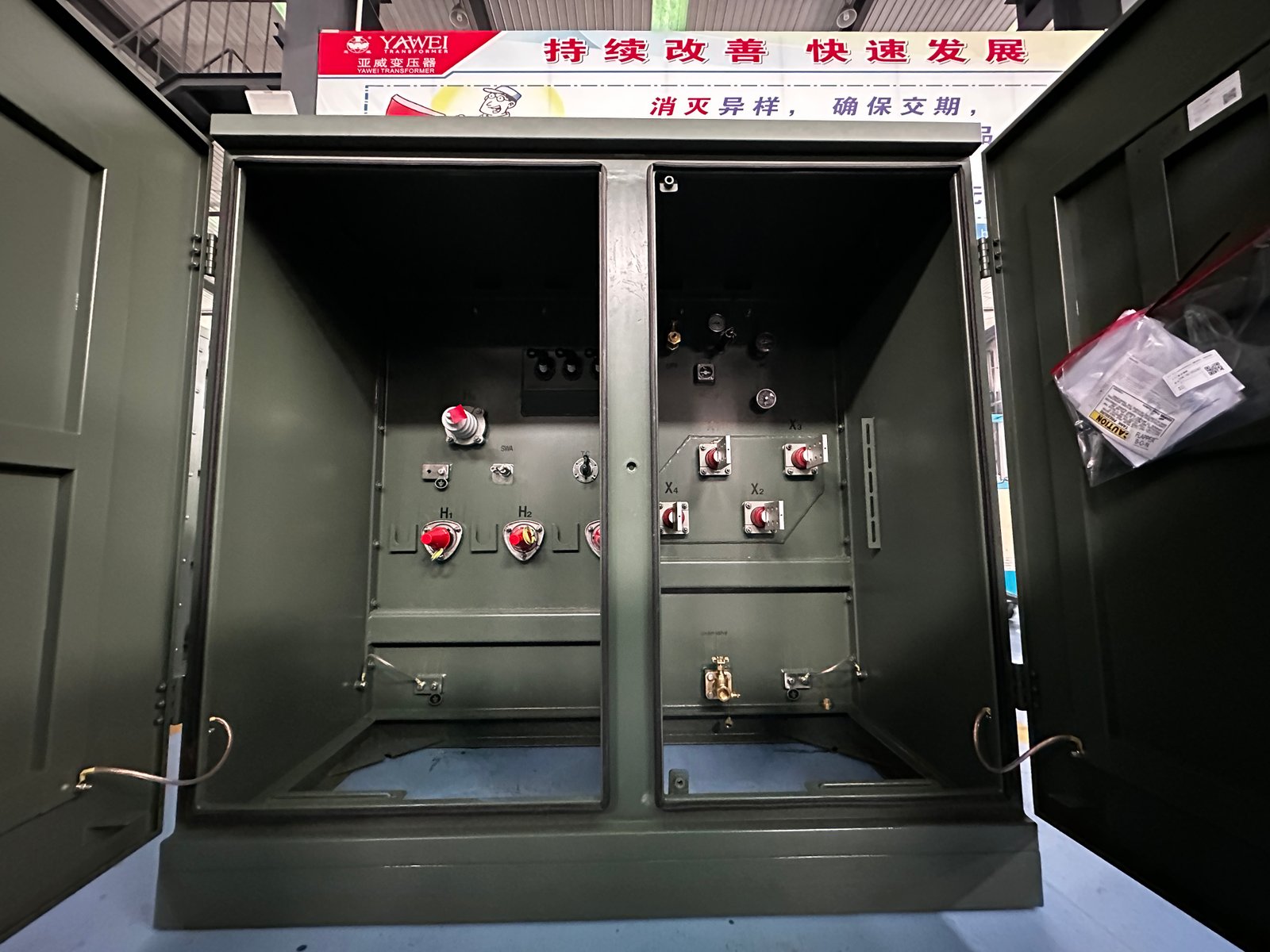
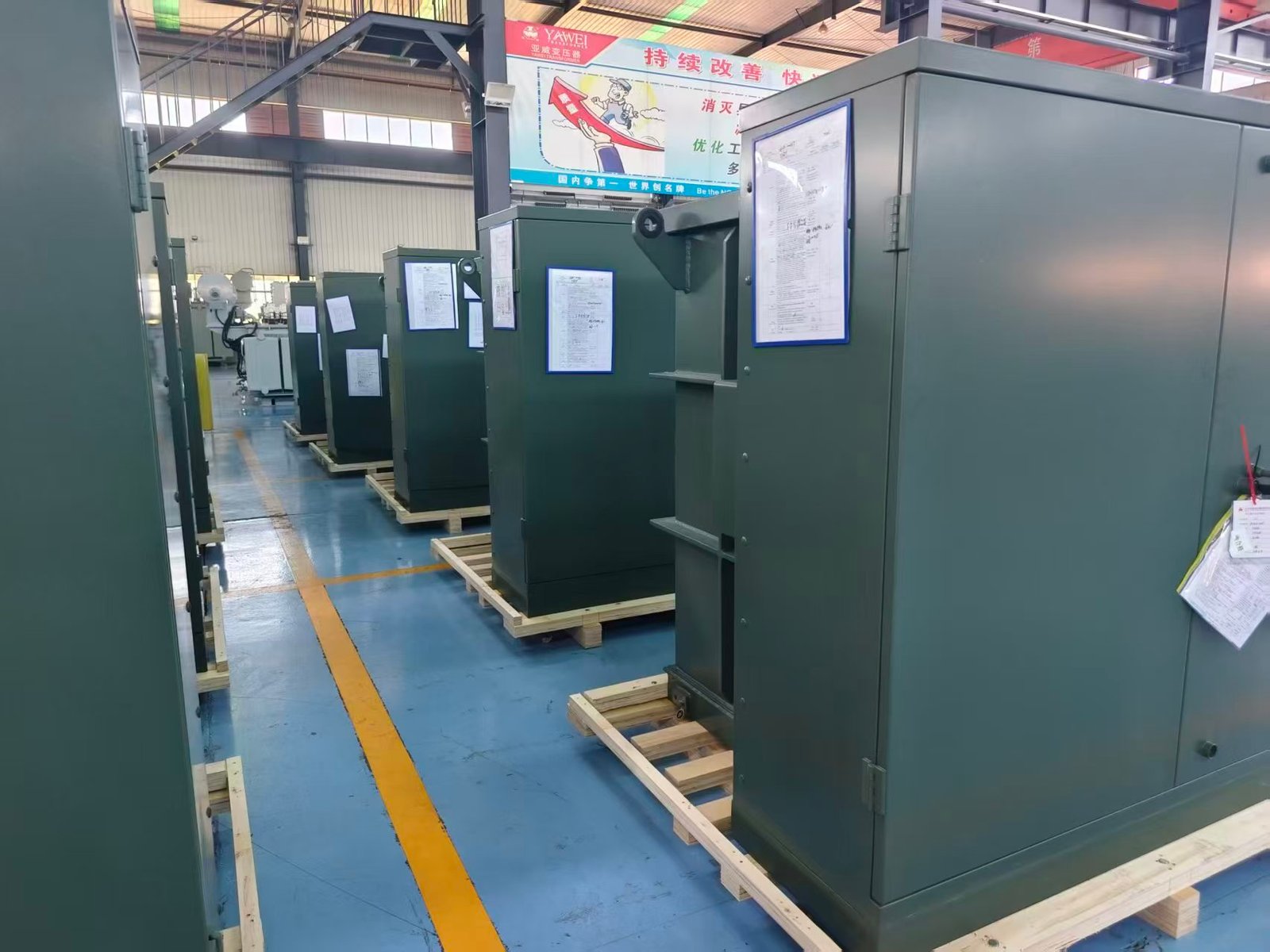
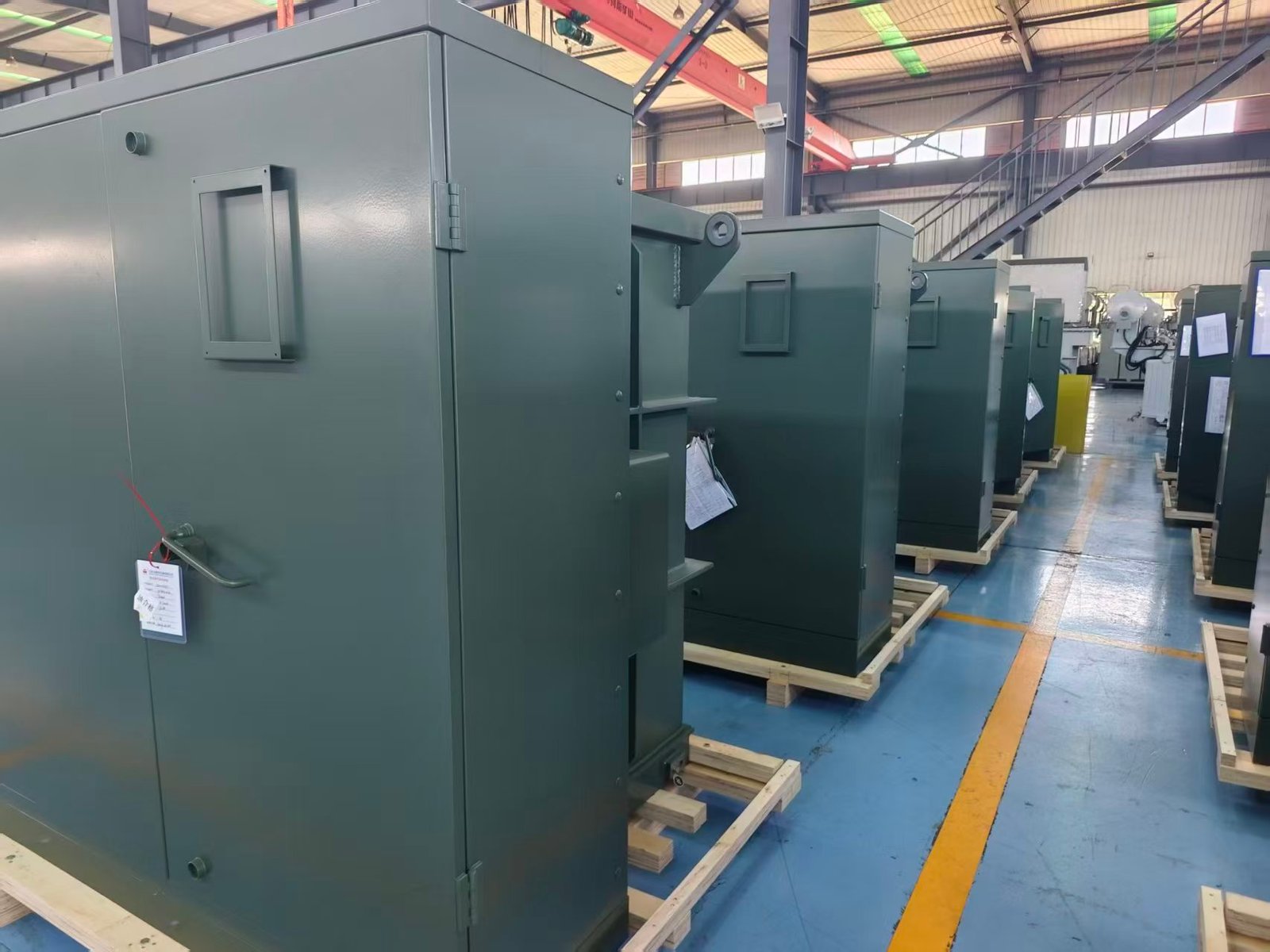
Documents can be typed, but photos show the reality of the manufacturing floor. Elena insisted on a comprehensive set of factory inspection photos. She wanted to see the transformer from all four sides to check the paint quality and ensure there were no dents or scratches from factory handling.
She requested photos of the open cabinet showing the high-voltage and low-voltage compartments, proving the internal wiring was neat and the accessories were installed. She also asked for photos of the unit being prepared for packaging, ensuring it was properly secured to a heavy-duty shipping pallet to prevent transit damage. This visual evidence gave her the confidence to authorize the final payment.
14. Factory Inspection Checklist for Pad Mounted Transformer Buyers
Based on Elena's rigorous review process, project managers and procurement teams should use the following comprehensive checklist before authorizing the shipment of a pad mounted transformer:
| No. | Factory Inspection & Document Checklist Item |
|---|---|
| 1 | Verify rated capacity (kVA) matches approved drawings |
| 2 | Verify primary voltage matches utility grid requirements |
| 3 | Verify secondary voltage matches facility requirements |
| 4 | Verify phase (single or three phase) |
| 5 | Verify frequency (50Hz or 60Hz) |
| 6 | Verify connection group / vector group (e.g., Dyn11) |
| 7 | Verify short-circuit impedance percentage |
| 8 | Verify Basic Impulse Level (BIL) |
| 9 | Verify cooling method (e.g., ONAN) |
| 10 | Verify total weight for crane and rigging planning |
| 11 | Review routine test report: Winding resistance |
| 12 | Review routine test report: Voltage ratio |
| 13 | Review routine test report: Insulation resistance |
| 14 | Review routine test report: No-load loss |
| 15 | Review routine test report: No-load current |
| 16 | Review routine test report: Load loss |
| 17 | Review routine test report: Dielectric tests (applied/induced) |
| 18 | Review routine test report: Oil breakdown voltage test |
| 19 | Review routine test report: Partial discharge (if applicable) |
| 20 | Verify tap changer operation and voltage steps |
| 21 | Confirm installation of bayonet fuse assemblies |
| 22 | Confirm installation of ELSP current-limiting fuses |
| 23 | Confirm installation of oil level gauge |
| 24 | Confirm installation of dial thermometer |
| 25 | Confirm installation of pressure relief valve |
| 26 | Confirm installation of drain valve with sampler |
| 27 | Confirm installation of grounding pads and ground bar |
| 28 | Confirm installation of parking stand brackets |
| 29 | Inspect paint thickness, color, and surface quality via photos |
| 30 | Inspect cabinet doors, hinges, and locking mechanisms via photos |
| 31 | Inspect lifting lugs and jacking pads via photos |
| 32 | Cross-check overall dimension drawing against physical unit |
| 33 | Cross-check foundation drawing against site concrete pad |
| 34 | Confirm delivery schedule, shipping method, and packaging |
15. How TransformerGrid Helps Buyers Review Testing Documents Before Delivery
TransformerGrid understands that interpreting complex electrical test reports can be daunting for procurement teams. We provide transparent, verifiable testing documents and comprehensive factory inspection photos for every pad mounted transformer order. Our engineering team walks buyers through the routine test report, explaining the winding resistance, voltage ratio, losses, and dielectric tests. We ensure the nameplate, overall dimension drawing, foundation drawing, and accessory list are fully verified before the unit is packaged, ensuring a smooth, surprise-free delivery schedule.
16. Conclusion
A successful pad mounted transformer procurement does not end when the purchase order is signed; it ends when a fully compliant, fully tested unit is safely energized at the site. By demanding verifiable testing documents, routine test reports, and clear factory inspection photos, buyers like Elena can eliminate the risk of receiving incorrect or defective equipment. Reviewing the nameplate, dimensions, accessories, and test data before shipment is the ultimate safeguard for project quality, budget, and schedule. Note that final requirements depend on the specific contract, local standards, project specifications, and utility requirements.
Related Technical Guides
17. Frequently Asked Questions (FAQ)
Need to Verify Pad Mounted Transformer Specifications Before Ordering?
Send us your project drawings, utility requirements, required testing documents, accessory list, and delivery schedule. TransformerGrid engineers can provide a comprehensive review and quotation based on verifiable quality standards.
Final requirements depend on the specific contract, local standards, project specifications, and utility requirements.