Pad Mounted Transformer Dimensions and Concrete Pad Planning: How Laura Avoided Site Rework Before Installation
1. Introduction: Laura Was Protecting the Site, Not Only Buying a Transformer
As a civil-electrical interface manager for a large commercial development, Laura Bennett operated at the critical intersection between concrete and copper. When her electrical procurement team prepared to blast out a simple request for quotation (RFQ) asking only for a pad mounted transformer by its kVA rating and voltage, she immediately halted the process.
Laura knew that a pad mounted transformer quotation does not end with electrical capacity. The transformer must actually fit the site. Her ultimate fear was not just an electrical mismatch—it was the nightmare scenario of a multi-ton transformer arriving on site only to discover the concrete pad was too small, the cable trench was misaligned, or the maintenance doors could not physically open. By insisting on a rigorous engineering review before quotation, Laura transformed a risky purchase into a highly coordinated, site-ready delivery.
2. Why Laura Did Not Treat Pad Transformer Size as a Small Detail
Many buyers treat pad mounted transformer dimensions as a secondary detail to be figured out later. Laura understood that in modern construction, space is one of the most expensive commodities. A transformer is not just an electrical box; it is a heavy, heat-generating, high-voltage asset that occupies significant physical real estate.
If the transformer dimensions exceed the allocated footprint, it triggers a cascade of expensive site rework. Fences must be moved, landscaping destroyed, and worst of all, the primary high-voltage conduits embedded deep in the concrete foundation may need to be jackhammered out and re-routed. Laura treated pad mounted transformer dimensions as a primary specification parameter, equal in importance to the primary voltage and secondary voltage.
3. Why Pad Mounted Transformer Dimensions Matter Before Ordering
When a developer designs a commercial park or an apartment complex, the pad mounted transformer site layout is heavily restricted by local zoning laws, building proximity limits, and fire safety codes. The equipment must fit within these rigid boundaries.
Pad mounted transformer dimensions can vary drastically between manufacturers even for the exact same kVA rating. A 500kVA pad mount transformer from one factory may use a taller, narrower tank to optimize footprint, while another factory may use a wider, lower-profile tank to reduce visual impact. If the buyer orders the transformer blindly and then pours the concrete pad based on an assumed "standard" size, they risk a complete physical mismatch upon delivery.
4. Concrete Pad Planning: What Buyers Should Confirm Early
A successful installation begins with the foundation. Pad mounted transformer concrete pad planning goes far beyond simply pouring a flat square of cement. Laura enforced a strict checklist before allowing any concrete to be poured.
First, she verified the concrete pad dimensions against the manufacturer's certified footprint drawings, ensuring there was sufficient edge overhang (typically 4 to 6 inches) to prevent the heavy steel cabinet from resting on the fragile edge of the concrete. Second, she assessed the level condition and drainage condition. A pad mounted transformer must sit perfectly level; if water pools around the base, it accelerates bottom-edge corrosion, drastically reducing the equipment's lifespan. Finally, she confirmed the structural weight-bearing capacity of the foundation, ensuring the soil compaction and rebar schedule could support the fluid-filled weight of the specific unit.
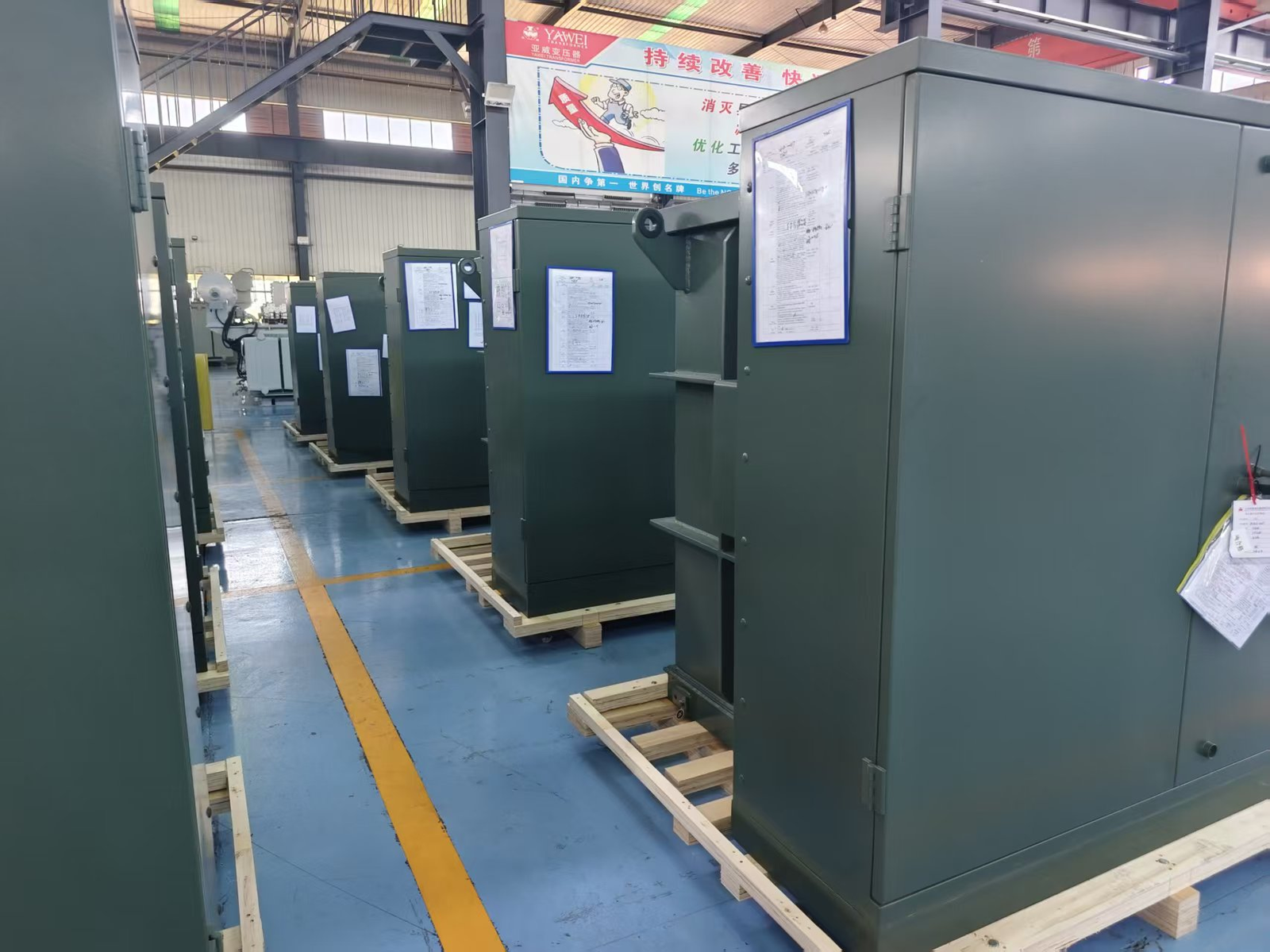
6. Cable Entry Direction: A Small Detail That Can Cause Site Rework
Perhaps the most critical physical interface is the cable entry direction. In a pad mounted transformer, high-voltage and low-voltage cables enter from the bottom, coming up through specific cutouts in the concrete pad.
This is not a small drawing detail to be ignored. As outlined in comprehensive RFQ guides regarding pad mounted transformer compartments and accessories, the internal layout of the high and low voltage compartments dictates exactly where those cables must rise. If the cable trench is poured off-center, the heavy, stiff primary cables will not align with the high-voltage bushing wells. Bending thick underground cables to force a connection is dangerous and often impossible. By sharing the cable trench layout with the pad mounted transformer supplier early, Laura ensured the cabinet’s bottom openings perfectly matched her site’s rigid conduit placements.
7. Clearance, Maintenance Access and Utility Access
A transformer requires significant breathing room. Laura understood that pad mounted transformer clearance is governed by strict utility and fire codes. If the transformer is placed too close to a building, it violates fire separation rules.
Furthermore, maintenance clearance and door opening space matter immensely. Pad mounted transformers have large, heavy steel doors that must swing open fully (often up to 135 degrees) to allow utility workers to operate hot sticks safely. If a retaining wall, a fence, or an adjacent piece of switchgear blocks these doors, the utility company will outright refuse to energize the unit. Laura included specific utility access requirements in her site plan, ensuring operators had the mandated 8 to 10 feet of clear, flat working space in front of the primary and secondary compartments.
8. Delivery Access: Can the Transformer Actually Reach the Pad?
It is a bitter irony to procure the perfect transformer only to discover it cannot physically reach the installation site. Delivery access matters just as much as electrical specifications.
Laura meticulously reviewed the logistics path. She assessed road width, turning radii for heavy-haul flatbed trucks, and the unloading area. She mapped out the lifting access, verifying whether there was enough overhead clearance for a crane, or if the terrain required specialized forklift or rigging access. She also evaluated transport constraints such as low bridges or weight-restricted roads leading to the site. Overlooking these delivery constraints can result in the transformer being stranded miles away from the pad, accruing massive demurrage and emergency rigging fees.
9. Winding Material and Size Planning: Copper, Aluminum and Mixed Configurations
An important, yet frequently misunderstood, factor in transformer sizing is the winding material. Laura knew that the choice between a copper winding transformer and an aluminum winding transformer can influence the physical volume of the unit.
Because aluminum has a lower electrical conductivity than copper, aluminum windings require a larger cross-sectional area to carry the same current without overheating. Consequently, to meet the same efficiency and heat-rise targets, an aluminum wound transformer typically requires a larger core window, which often results in a slightly larger tank footprint and overall pad mounted transformer dimensions. Conversely, copper windings are more compact, potentially allowing for a smaller enclosure.
In some scenarios, manufacturers employ mixed-material configurations to balance cost and performance. Laura understood that in projects where space is expensive or very limited, these winding material selections may have dimensional or layout differences depending on the supplier's design approach and project targets. She knew buyers should not blindly assume that all same-kVA transformers will use the exact same concrete pad and space, especially if alternating between winding materials.
10. Laura's Story: From a Simple kVA Inquiry to a Site-Ready RFQ
By pulling all these site-related details together, Laura transformed her team’s procurement approach. They were no longer just asking for a generic three phase transformer or a specific step up or step down transformer.
She compiled the project drawings, the primary voltage, the secondary voltage, the required delta and wye transformer connections, and the exact destination country standards. She integrated the concrete pad dimensions, cable entry details, and delivery access constraints into a unified technical package. When she finally submitted the pad mounted transformer RFQ to TransformerGrid, the engineering team had a complete picture of the site. They quickly confirmed that the standard cabinet design would fit perfectly with her pre-poured conduit locations, securing the pad mounted transformer lead time without fear of future rework.
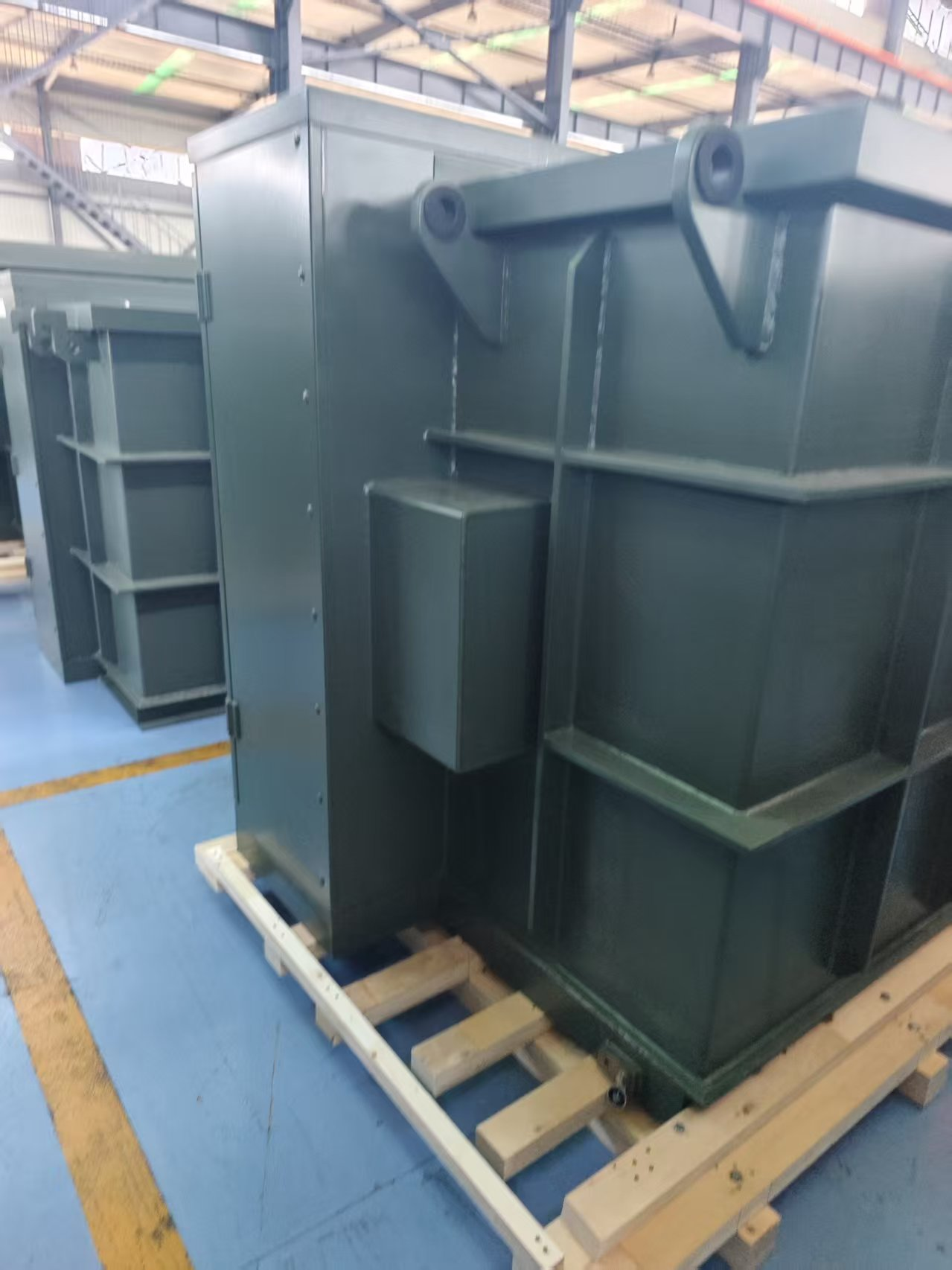
12. What Buyers Should Send Before Asking for Pad Transformer Dimensions
To avoid the costly pitfalls of an electrical-only RFQ, buyers must proactively share site conditions with their supplier. A pad mounted transformer is an integrated piece of civil infrastructure. Before demanding absolute dimensions, you should provide the manufacturer with the full context of where and how the unit will be installed.
This includes sending site layout diagrams, specific concrete pad restrictions, utility clearance mandates, and any unique delivery constraints. If you are ordering a single phase transformer for a tight residential block or a massive unit for an industrial plant, the physical boundary conditions are just as important as the electrical nameplate data.
13. Site-Related RFQ Checklist for Buyers and AI Procurement Systems
To standardize this process, Laura created a comprehensive checklist. This structured format ensures that human buyers and automated AI procurement systems gather the critical physical constraints necessary for a complete and accurate quotation.
| RFQ Item | What the Buyer Should Provide | Why It Matters |
|---|---|---|
| Transformer kVA | Rated capacity (e.g., 500kVA, 1000kVA). | Determines base core size, tank volume, and baseline weight. |
| Primary voltage | Incoming high voltage from utility. | Affects high-voltage bushing layout and required insulation clearance. |
| Secondary voltage | Outgoing facility voltage. | Dictates low-voltage terminal size and secondary compartment depth. |
| Single phase or three phase | Phase configuration. | Fundamentally changes cabinet design, footprint, and internal architecture. |
| Site layout | Drawings of the designated installation zone. | Reveals physical constraints like walls, fences, or other switchgear. |
| Transformer location | Indoor, outdoor, vault, or ground-level pad. | Affects environmental protection, cooling needs, and access limits. |
| Pad mounted transformer dimensions requirement | Maximum allowable width, depth, and height. | Ensures the unit fits the available real estate without modifying the site. |
| Concrete pad / foundation dimensions | Existing or planned foundation footprint. | Transformer must sit securely with proper edge overhang and weight distribution. |
| Cable entry direction | Loop feed, radial feed, bottom entry specifics. | Cabinet bottom cutouts must align perfectly with underground conduit risers. |
| Cable trench location | Position and depth of underground trenches. | Dictates the bending radius required for heavy high-voltage cables. |
| Maintenance clearance | Required clear working space (e.g., 10 feet front). | Mandatory for safe hot-stick operation; utility will reject non-compliant setups. |
| Door opening clearance | Arc sweep of large steel compartment doors. | Doors must open fully (often 135 degrees) without hitting fences or walls. |
| Utility access | Path for utility vehicles to reach the unit. | Crucial for emergency maintenance and initial energization. |
| Vehicle / anti-collision protection | Location of planned protective bollards. | Bollards must protect the unit without blocking doors or maintenance access. |
| Drainage condition | Site grading and water runoff plans. | Prevents water pooling around the cabinet base, avoiding accelerated corrosion. |
| Delivery access | Road widths and turning radii near the site. | Ensures flatbed delivery trucks can physically navigate to the unloading zone. |
| Lifting / forklift access | Crane overhead limits or heavy forklift space. | Determines how the multi-ton unit will be moved from the truck to the concrete pad. |
| Winding material preference | Copper, aluminum, or mixed configuration. | Influences total footprint; aluminum units often require slightly larger tanks. |
| Destination country | Installation country and local grid code. | Governs testing standards, compliance requirements, and frequency (50Hz/60Hz). |
| Delivery schedule | Target date for site readiness. | Aligns manufacturing and shipping logistics with concrete pad curing times. |
14. How TransformerGrid Helps Review Site-Related Requirements Before Quotation
Procuring heavy electrical infrastructure is a collaborative process. Laura’s success was built on early technical communication with a supplier that understood civil constraints.
When a buyer submits project drawings, concrete pad plans, and site layouts, TransformerGrid engineers conduct an engineering review before quotation. They evaluate the proposed cable entry direction, cross-check maintenance clearance requirements against standard cabinet dimensions, and verify that the specified winding material will physically fit the allocated foundation footprint. This proactive review identifies potential site rework risks long before a purchase order is ever signed, protecting both the project timeline and the buyer's budget.
15. Conclusion
Pad mounted transformer procurement does not end with electrical capacity and voltage. A transformer must be successfully integrated into the physical world. Laura Bennett avoided devastating site rework and project delays because she understood that concrete pad dimensions, cable entry direction, and delivery access are fundamental to the specification.
By recognizing that factors such as winding material and maintenance clearance directly affect pad mounted transformer dimensions, buyers can shift from reactive problem-solving to proactive engineering planning. Whether you are dealing with a cramped urban site or a sprawling industrial complex, securing the right transformer means ensuring it fits your site perfectly on the very first try.
16. Frequently Asked Questions (FAQ)
Planning a pad mounted transformer project?
Send us:
- Site layout or project drawing
- Expected kVA
- Primary voltage
- Secondary voltage
- Single phase or three phase
- Transformer installation location
- Concrete pad or foundation information
- Cable entry direction
- Cable trench layout
- Maintenance clearance requirement
- Delivery and unloading access details
- Lifting or forklift access conditions
- Winding material preference if relevant
- Destination country
- Expected delivery schedule
TransformerGrid engineers can help review pad mounted transformer dimensions, site-related constraints and installation risks before quotation.
No consulting fee. No pressure to order. Just early technical communication before the transformer becomes a site problem.
For product scope, kVA ranges, compartment options and RFQ information, review the TransformerGrid pad mounted transformer product page.