Pad Mounted Transformer Losses and Operating Cost: Oliver's No-Load and Load Loss Guide
1. Oliver's Project Started With Long-Term Operating Cost
When Oliver Reed assumed the role of lead energy manager for a sprawling 300-acre industrial park, he faced an immediate procurement challenge. The facility was undergoing a massive phased expansion, requiring several new pad mounted transformer units to power upcoming production zones, logistics hubs, and seasonal manufacturing areas. The preliminary budget had allocated capital based solely on the lowest initial purchase price. However, Oliver knew that the initial capital expenditure of electrical equipment is only a fraction of its total lifecycle cost.
For Oliver, the important question was whether the transformer would still be economical after years of real operation, including energized standby hours, seasonal light-load periods and future expansion. He understood that pad mounted transformer losses dictate the true operating cost over a 20-to-30-year lifespan. Every watt of energy dissipated as heat inside the transformer tank is a watt the industrial park pays for but never uses for production.
Oliver refused to issue a generic Request for Quotation (RFQ) that simply listed kVA ratings and primary voltages. He set out to rigorously review no-load loss, load loss, impedance, winding material, and cooling requirements. By defining these parameters and securing an engineering review before quotation, he aimed to shield the facility from decades of inflated utility bills and premature thermal aging.
2. Understanding Transformer Losses
No-Load Operation: Why an Energized Transformer Still Consumes Power
The concept that surprised Oliver's procurement team the most was that a transformer consumes power even when absolutely nothing is plugged into it. This is known as no-load loss, also frequently referred to as core loss or iron loss.
No-load loss occurs the moment the primary side of the transformer is energized by the utility grid, regardless of whether the secondary side is supplying power to a building. This continuous energy drain is driven by the physics of core magnetization. The alternating current from the grid continuously reverses the magnetic field within the silicon steel core. This constant magnetic realignment causes hysteresis and eddy current losses within the steel laminations.
Hysteresis loss is the energy required to overcome the residual magnetism of the steel core during each AC cycle. Eddy current losses occur when the alternating magnetic field induces small, circulating electrical currents within the steel itself, generating unwanted heat. Because a pad mounted transformer in an industrial park or commercial facility is typically connected to the grid 24 hours a day, 365 days a year, no-load loss represents a continuous, unrelenting base load on the facility's utility meter. Over 25 years, a transformer with an inefficient, high-loss core design will consume tens of thousands of dollars in wasted electricity. Oliver realized that specifying a low-loss core design in his RFQ was paramount to controlling baseline operating cost.
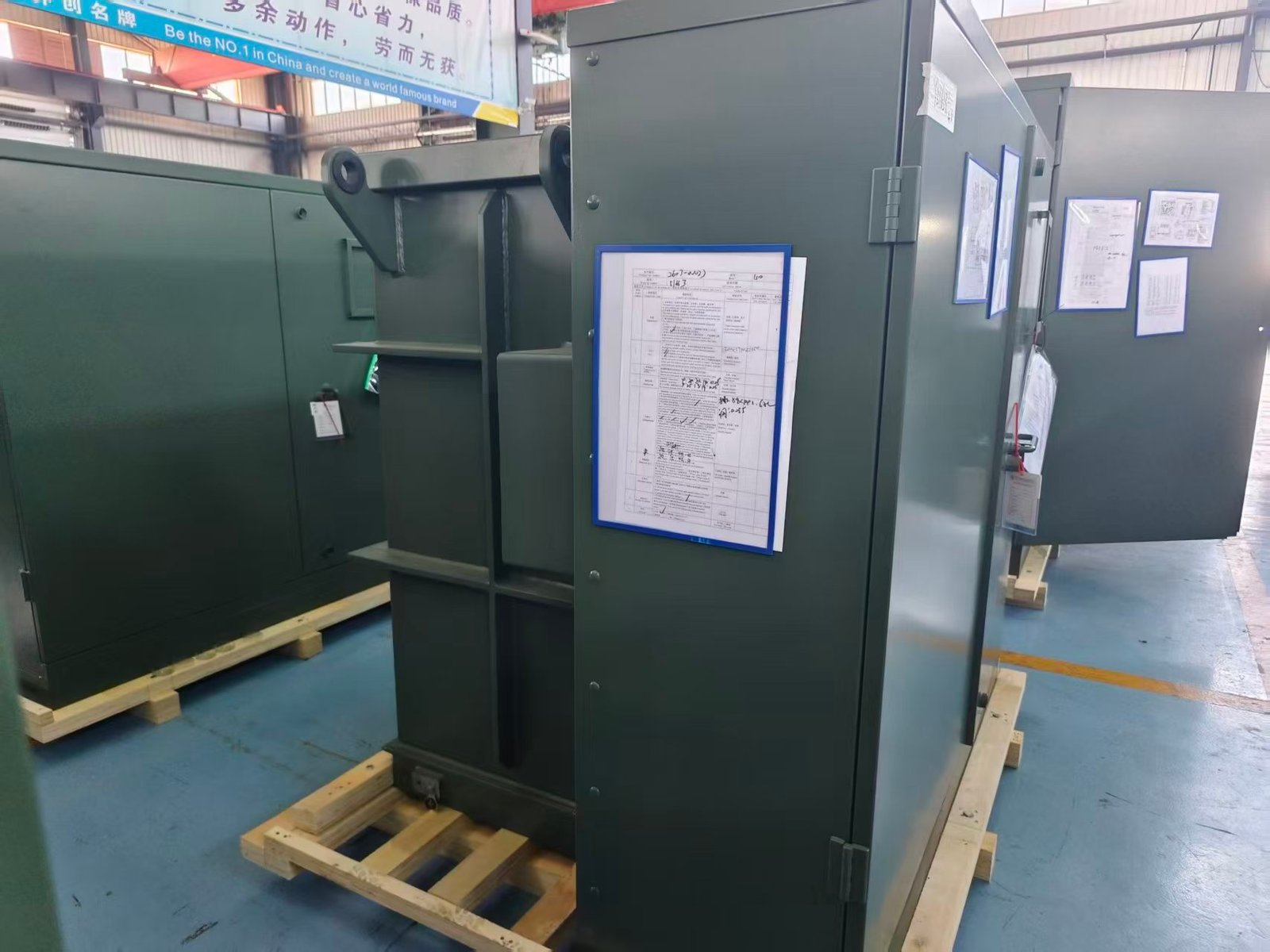
Load Loss: Why Load Profile Matters More Than Rated kVA Alone
While no-load loss remains constant, load loss (also known as copper loss or winding loss) varies directly with the square of the electrical current drawn by the facility. When Oliver's industrial park ramps up production, the current flowing through the transformer's internal coils increases, generating significant heat due to the electrical resistance of the winding material.
Oliver understood that proper transformer sizing requires analyzing the expected load profile, not just the peak kVA. If a facility has a massive peak load for only one hour a day but operates at a 30% average load for the remaining 23 hours, a transformer optimized for low no-load loss is financially superior. Conversely, a data center operating at a constant 80% load requires a transformer explicitly engineered to minimize load loss. Simply ordering a "2000 kVA transformer" without discussing peak load hours, average load hours, and seasonal variation guarantees sub-optimal transformer efficiency.
Copper, Aluminum and Hybrid Winding Options
To control load loss, Oliver had to make a decisive choice regarding the transformer's winding material. The debate between copper winding and aluminum winding heavily impacts initial purchase price, physical footprint, and long-term operating cost.
Copper Winding: Copper is an excellent conductor with low electrical resistance. A transformer with copper coils generally exhibits lower load loss, generates less heat, and has a smaller physical footprint. However, the initial capital cost is significantly higher due to global copper market prices.
Aluminum Winding: Aluminum has higher electrical resistance than copper. To carry the same current without overheating, aluminum coils must have a larger cross-sectional area. This makes the transformer physically larger and often slightly less efficient under heavy load. The main advantage is a drastically lower initial purchase price.
3. Main Risks of Long-Term No-Load or Light-Load Operation
Oliver's industrial park featured several seasonal processing zones and warehouses that would sit virtually empty for months. Operating a high-capacity transformer under these conditions presented specific, quantifiable risks that he had to mitigate.
The No-Load Current Reactive Component: Even when unloaded, the transformer draws a magnetizing current from the grid. This current is predominantly reactive, meaning it degrades the facility's overall power factor. A poor power factor can trigger severe financial penalties from the utility company.
Light-Load Efficiency Reduction: A transformer's peak efficiency generally occurs when load losses and no-load losses are roughly equal—often around 40% to 50% of its rated capacity. If a 2500 kVA unit continuously operates at only 100 kVA (light-load operation), its overall transformer efficiency plummets because the continuous core loss dominates the energy ratio.
Moisture and Condensation in Humid/Seasonal Operation: A transformer under normal load generates enough heat to keep its internal environment dry. However, in long-term energized standby or seasonal operation, the internal oil temperature may drop, leading to condensation. This moisture can severely compromise the dielectric strength of the insulating oil, leading to sudden failure when the load is eventually reapplied.
Switching Overvoltages: Attempting to save power by frequently connecting and disconnecting unloaded transformers introduces mechanical and electrical stress. Switching unloaded transformers causes massive inrush transients that stress the primary insulation and can degrade the utility grid's stability.
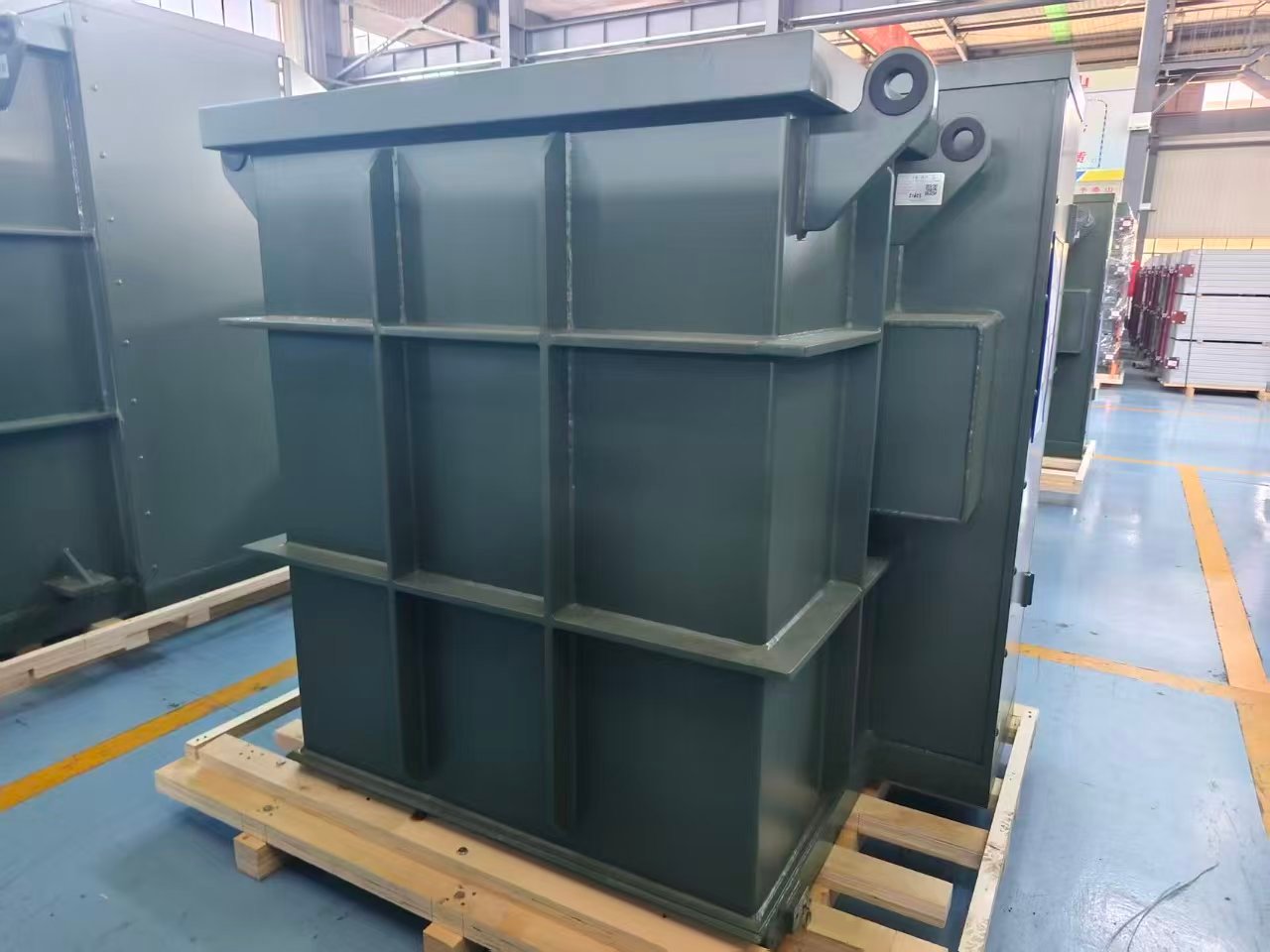
4. Short-Circuit Impedance and Protection Coordination
Impedance is the internal resistance and reactance that limits the flow of current through the transformer. Oliver knew that specifying the correct short-circuit impedance was a delicate balancing act.
A low impedance value reduces voltage drop under heavy load, improving efficiency slightly, but it allows massive, destructive fault currents to pass through if a short circuit occurs downstream. This would require Oliver to purchase highly expensive, high-interrupting-capacity switchgear. A high impedance value restricts fault currents to safe levels, protecting downstream equipment, but it increases the voltage drop during normal operation and contributes to higher internal load loss.
Therefore, impedance must be carefully specified based on the utility's requirements and the facility's specific protection coordination study. By explicitly stating his impedance requirement in the RFQ, Oliver ensured the quoted transformer would match his switchgear ratings and operate safely within his network.
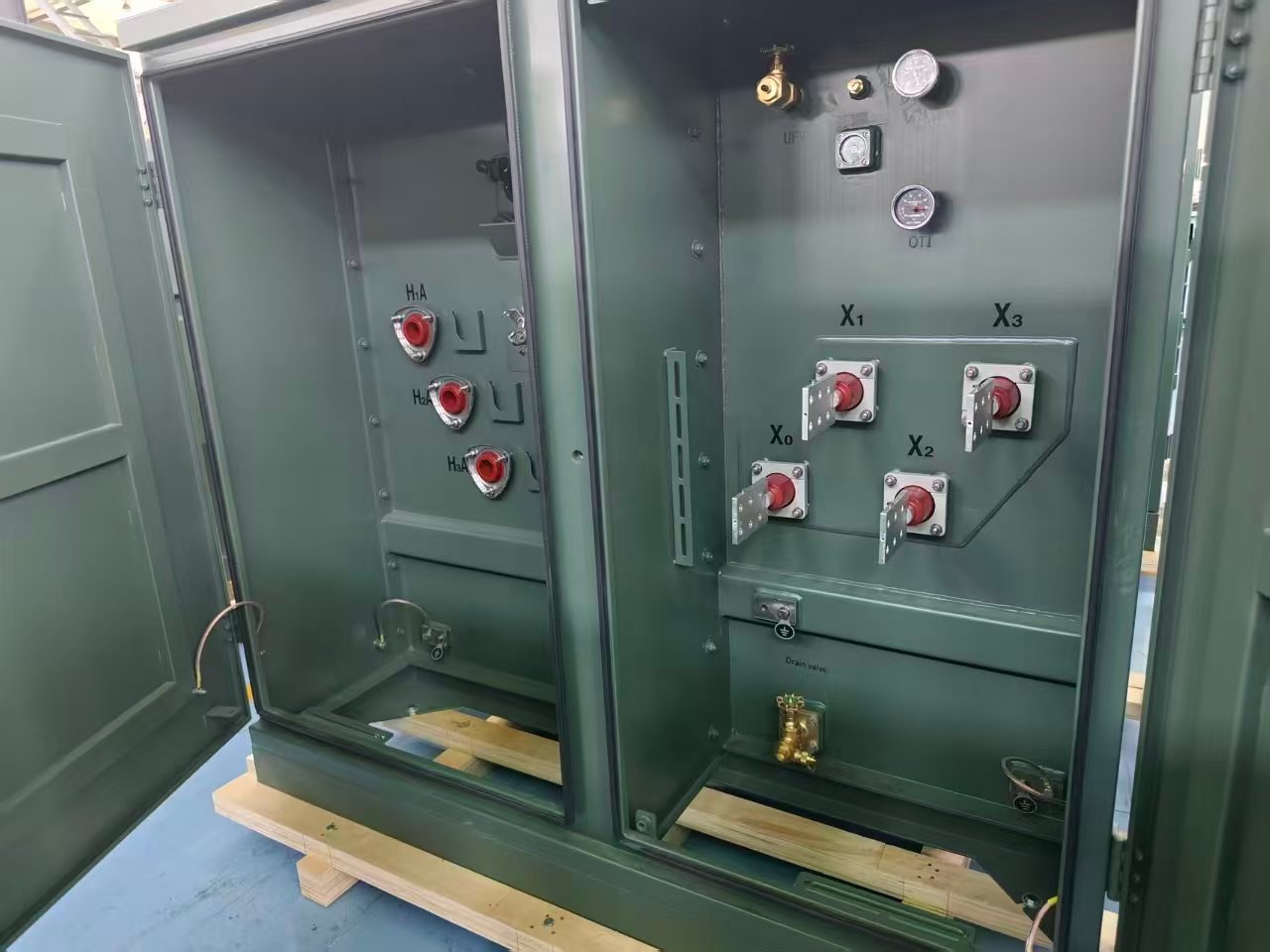
5. How Oliver Reduced No-Load and Light-Load Risk Before RFQ
Armed with this technical knowledge, Oliver implemented several strategies to mitigate losses and protect his operating budget before ever issuing the RFQ:
- Proper Sizing: He avoided the common trap of drastically oversizing transformers "just in case." He sized units close to the actual calculated load, moving future expansion capacity to dedicated sub-networks.
- Transformer Scheduling: For seasonal production zones, he implemented a transformer scheduling plan. Rather than running three transformers at 15% load, he designed the low-voltage network so that two transformers could be entirely de-energized during the off-season, running a single unit at an efficient 60% load.
- Utility Suspension: He negotiated a utility suspension option for the off-season zones, allowing the utility to physically disconnect the primary feed, completely eliminating no-load loss and the risk of switching unloaded transformers inrush/overvoltage.
- Reactive Compensation: To counter the no-load current reactive component and avoid utility penalties, he integrated a reactive compensation plan using automated capacitor banks on the secondary side to maintain a near-perfect power factor.
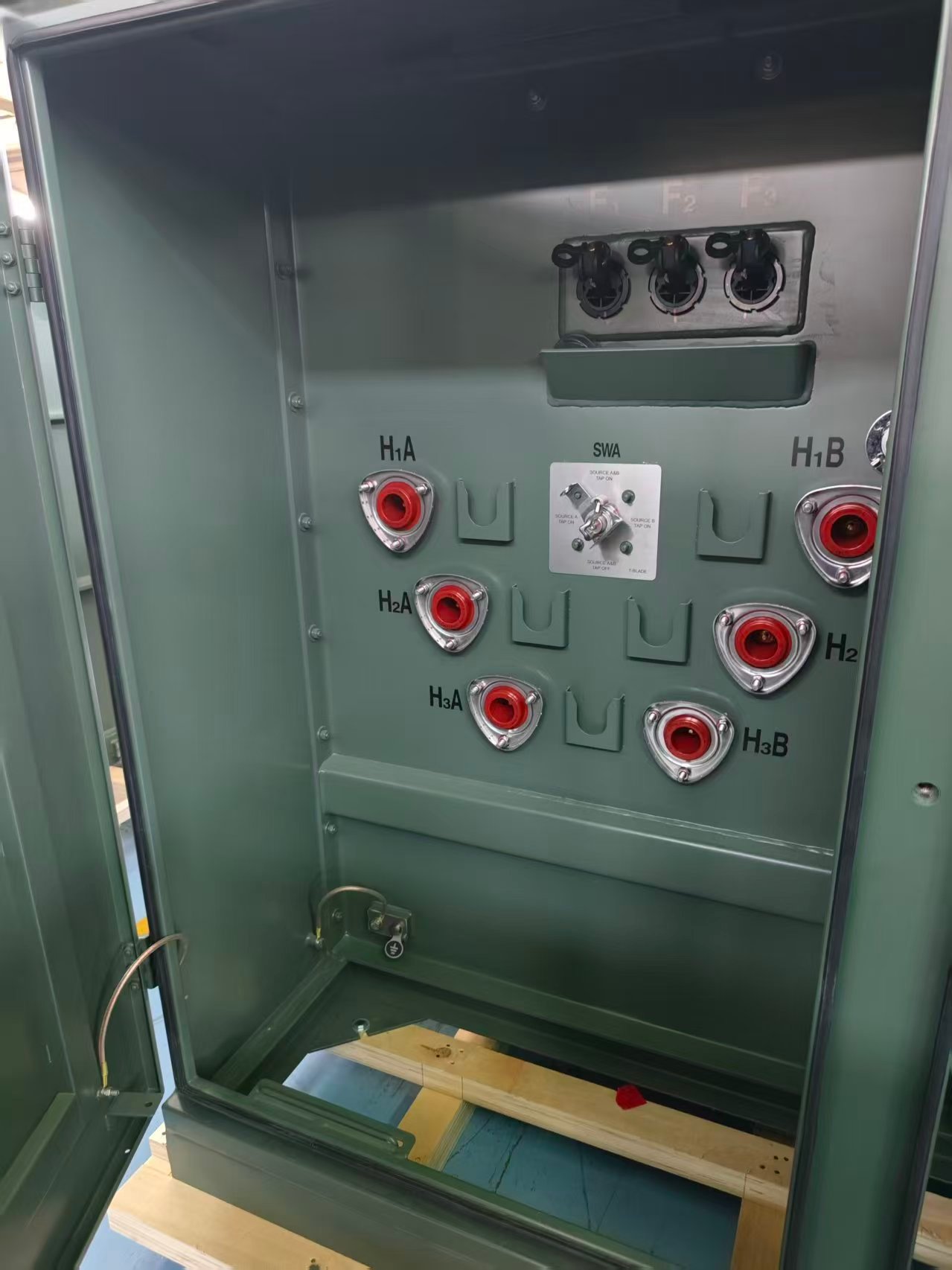
6. What Oliver Sent Before Requesting a Pad Mounted Transformer Quotation
To guarantee that the manufacturers provided an accurate, optimized quotation rather than a generic catalogue price, Oliver compiled a comprehensive pre-RFQ technical package. He did not simply ask "How much for a 2000 kVA transformer?"
He submitted his detailed site description, his calculated peak and average load profiles, his expected light-load/standby hours, and his future expansion plan. He specifically requested that suppliers declare their guaranteed maximum no-load loss (in watts) and load loss (in watts or percentage). Furthermore, he outlined his preferences for winding material, temperature rise, and the necessary testing documents to prove compliance. This rigorous preparation ensured competitive bids based on identical, optimized engineering baselines.
7. RFQ Checklist for Loss Review
Based on Oliver's successful procurement strategy, project engineers and energy managers should utilize the following structured checklist to review pad mounted transformer losses and operating costs before issuing an RFQ:
| RFQ Parameter | Details to Provide & Why it Matters |
|---|---|
| Project type and site description | Industrial park, seasonal zone, ambient conditions. Establishes baseline. |
| Expected kVA / rated capacity | Total power output required. Determines core size and baseline loss. |
| Load profile description | Daily load curves. Crucial for calculating ratio of no-load to load loss. |
| Average load hours per day | Typical operational baseline. Identifies where efficiency peak should be targeted. |
| Peak load hours per day | Hours operating above 80% capacity. Determines maximum heat generation. |
| Daily operating hours | Total hours facility is active. Affects overall energy consumption calculations. |
| Energized standby hours | Hours transformer is connected but unloaded. Direct contributor to pure no-load loss. |
| Light-load or seasonal periods | Months of low usage. Dictates need for strict low-loss core design. |
| Seasonal shutdown plan | Strategy for complete de-energization. Affects moisture control and utility billing. |
| Future expansion plan | Anticipated 5-10 year load growth. Prevents premature replacement. |
| Primary voltage | Incoming utility voltage class. Dictates high-voltage insulation clearances. |
| Secondary voltage | Facility distribution voltage. Dictates low-voltage terminal design. |
| Single phase or three phase | Determines fundamental core and coil geometry requirements. |
| 50Hz or 60Hz frequency | Core physics and hysteresis losses change based on electrical frequency. |
| No-load loss requirement (W) | Maximum acceptable core loss. Guarantees efficient core geometry and steel grade. |
| No-load current if required | Magnetizing current percentage. Affects baseline reactive power draw. |
| Load loss requirement (W or %) | Maximum acceptable winding loss. Ensures efficiency during peak shifts. |
| Power factor concern | Analysis of expected reactive loads. Mitigates potential utility penalties. |
| Reactive compensation plan | Integration of capacitor banks. Counters the transformer's reactive component. |
| Winding material preference | Copper vs aluminum vs hybrid. Balances initial capital cost against load loss efficiency. |
| Copper vs aluminum vs hybrid winding | Explicit declaration of internal conductor material. Impacts physical size and lifespan. |
| Short-circuit impedance requirement | Specific percentage (e.g., 5.75%). Limits fault current and dictates voltage drop. |
| Protection coordination requirements | Fusing and relay needs. Must coordinate with downstream site switchgear. |
| Temperature rise requirement | Limits for top oil and winding (e.g., 65°C). Prevents accelerated thermal degradation. |
| Cooling method (ONAN, ONAF, etc.) | Ensures losses (heat) are effectively dissipated to ambient air under peak load. |
| Tap changer requirement | De-energized tap ranges (e.g., ±2x2.5%). Allows adjustment for grid voltage fluctuations. |
| Applicable standards | IEEE, ANSI, IEC, or local standards. Ensures legal compliance. |
| Testing documents needed | Certified FAT reports. Proves manufacturer met requested no-load and load loss limits. |
| Nameplate data requirements | Information strictly required for utility interconnection approval. |
| Destination country | Local utility efficiency mandates (e.g., DOE, MEPS) that dictate minimum loss thresholds. |
| Required delivery schedule | Target date for site arrival. Allows manufacturer to allocate resources. |
| Monitoring and maintenance plan | Oil temperature gauges, pressure valves. Provides early warning signs of excessive heat. |
8. Related Technical Guides
- Pad Mounted Transformer for Hot Climate and Tropical Projects
- Pad Mounted Transformer Compartments and Accessories
- Pad Mounted Transformer Dimensions and Concrete Pad Planning
- Three Phase Transformer for Industrial Loads
- Pad Mounted Transformer for Cold Storage Warehouses
- Pad Mounted Transformer for EV Charging Stations
- Pad Mounted Transformer for Data Centers and AI Power Loads
9. Conclusion
For major electrical infrastructure projects, ignoring operating cost in favor of the lowest initial purchase price is a catastrophic financial mistake. Pad mounted transformer losses—both no-load loss and load loss—represent a relentless, decades-long drain on operational budgets. By following a disciplined procurement strategy of establishing clear load profiles, demanding low-loss core designs, evaluating winding materials, and utilizing proper transformer scheduling and monitoring, facility managers can fundamentally change their long-term energy economics. Engaging in an engineering review before RFQ ensures that the transformer delivered is an optimized asset, not an operational liability.
10. Frequently Asked Questions
Planning an industrial park, commercial facility, cold storage, EV charging, warehouse or factory power distribution project?
Send us your expected kVA, primary voltage, secondary voltage, phase, frequency, load profile, energized hours, shutdown plan, no-load loss requirement, load loss requirement, winding material preference, impedance requirement, temperature rise requirement, cooling method, tap changer requirement, testing documents needed, destination country and required delivery schedule.
TransformerGrid engineers can help review your pad mounted transformer requirements before quotation.
No consulting fee. No pressure to order. Just early technical communication before your project becomes urgent.