Pad Mounted Transformer for Pharmaceutical Manufacturing Plants: How Natalie Protected GMP Cleanrooms, Cold Chain Storage and Validation Schedule
Introduction: Natalie's GMP Expansion Depended on Stable Transformer Planning
Natalie Morgan, a senior pharmaceutical facility project manager and GMP plant electrical coordinator, faced a rigorous deadline. Her company was constructing a state-of-the-art pharmaceutical manufacturing plant designed to produce sensitive biologicals and vaccines. The facility required stringent Good Manufacturing Practice (GMP) compliance, which meant that every aspect of the infrastructure—especially the electrical power distribution—had to be meticulously planned, documented, and validated.
Her project was not a standard commercial build. It encompassed massive cleanroom environments, continuous packaging lines, intensive laboratory support zones, and critical cold chain storage warehouses. Natalie understood that a successful GMP cleanroom startup depended entirely on stable transformer planning. If the power supply was improperly specified, it could lead to equipment recalibration, loss of temperature-sensitive inventory, failed validation runs, and severe delays in securing regulatory approval. This guide details how Natalie systematically reviewed pad mounted transformers and cast-resin dry-type transformers to protect her facility's production schedule.
Why Pharmaceutical Plants Have Different Transformer Requirements
Unlike general industrial facilities where a brief power sag might only cause a minor delay, a pharmaceutical manufacturing plant operates under zero-tolerance conditions for uncontrolled power interruptions. Pharmaceutical validation processes require that environmental conditions—such as temperature, humidity, and air particle counts—remain strictly within predefined limits. A failure in the pharmaceutical plant power distribution can invalidate an entire production batch, costing millions of dollars in lost yield and forcing the facility to restart complex cleaning and sterilization protocols.
Because of these extreme consequences, Natalie had to evaluate multiple transformer solutions based on their installation location and operational role. She learned quickly that the difference between an outdoor pad mounted transformer and an indoor cast-resin dry-type transformer is profound—they are not the same product and serve entirely different functions within the facility's power architecture. The pharmaceutical manufacturing transformer strategy had to address utility connections outside the building while maintaining absolute safety and cleanliness inside the production envelope.
GMP Cleanroom Loads: HVAC, Air Handling and Environmental Control
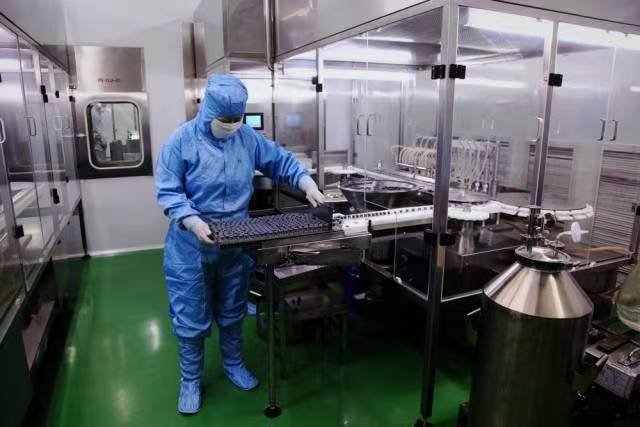
The foundation of Natalie's transformer capacity planning was the GMP cleanroom load. Cleanrooms are notorious energy consumers. To maintain stringent air quality and particle counts, the facility relies on massive, continuous HVAC operations, complex air handling units (AHUs), high-efficiency particulate air (HEPA) filtration systems, and strict humidity control mechanisms.
Additionally, these systems must maintain precise differential pressure between adjacent rooms to prevent cross-contamination. The electrical demand for these environmental controls is staggering and operates 24/7. When specifying the three phase transformer requirements, Natalie had to account for the heavy, continuous nature of the HVAC load and the high inrush currents generated when large chiller motors and air handlers cycle on. Undersizing the GMP cleanroom transformer could result in voltage sags that would instantly trigger alarms on sensitive laboratory support load equipment.
Cold Chain Storage and Temperature-Sensitive Inventory Risk
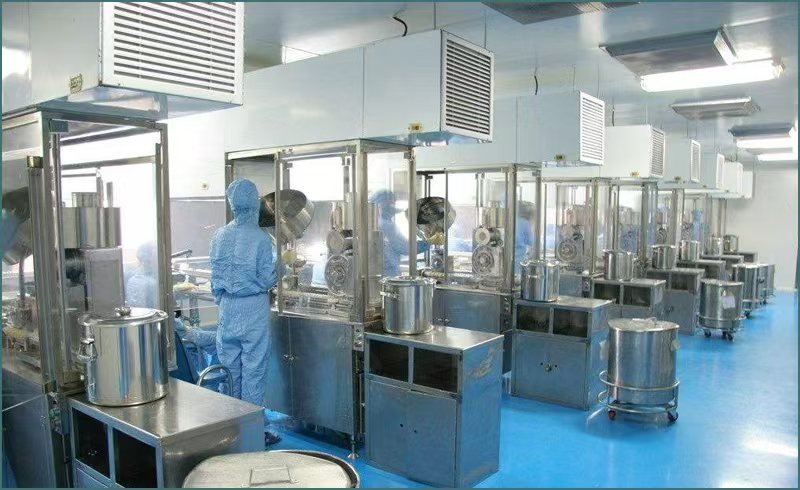
Beyond the production suites, Natalie's facility included extensive pharmaceutical cold storage zones. Vaccines, active pharmaceutical ingredients (APIs), and certain biological products require strict cold chain compliance. If the power supply to the refrigeration load is interrupted, the temperature deviation can render the entire inventory unusable, requiring immediate destruction per FDA or EMA guidelines.
The cold chain transformer must be exceptionally reliable and tightly integrated with backup generator systems and UPS interfaces. Natalie mapped out the chiller load and compressor starting requirements, ensuring the selected transformer could endure the continuous, inductive stress of industrial refrigeration units without compromising the power quality delivered to adjacent production lines.
Why Indoor Exposed Oil-Immersed Transformers Were Restricted in Natalie's Project
As Natalie coordinated with the facility's architectural and safety teams, she encountered strict regulations regarding indoor electrical rooms. Traditional indoor exposed oil-immersed transformers were restricted for several critical reasons. In a pharmaceutical setting, oil containment is significantly harder indoors, and the risk of a leak presents a severe hazard to cleanroom integrity.
Furthermore, the consequences of smoke or fire from an indoor oil-filled unit are catastrophic. Smoke contamination can permanently ruin GMP areas, and the evacuation and cleaning recovery processes are immensely complex, often forcing a complete halt to pharmaceutical validation schedules. However, it is important to note that oil-immersed transformers are not inherently unsafe; rather, their application must match the environment. For Natalie's project, outdoor oil-immersed or pad mounted equipment could still be reviewed where site layout and local rules allowed safe outdoor utility-side connections.
When a Cast-Resin Dry-Type Transformer May Be Required Indoors
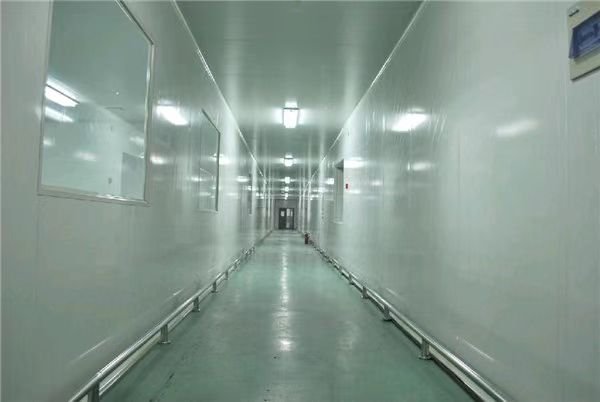
Due to the restrictions on indoor oil, Natalie's engineering team specified a cast-resin dry-type transformer for the electrical rooms located deep within the facility building, adjacent to the cleanrooms. A resin dry-type transformer utilizes solid epoxy resin insulation instead of liquid dielectric fluid, classifying it as an oil-free transformer solution.
This dry type transformer design inherently mitigates the risks of oil spills and pool fires, making it highly suitable for fire-safety-sensitive zones. By deploying a cast-resin dry-type transformer indoors, Natalie ensured that the heavy low-voltage distribution could occur safely close to the load centers—such as the laboratory support load and UPS interface panels—without introducing unacceptable environmental risks to the GMP manufacturing suites.
Pad Mounted Transformer for Outdoor Pharmaceutical Plant Distribution
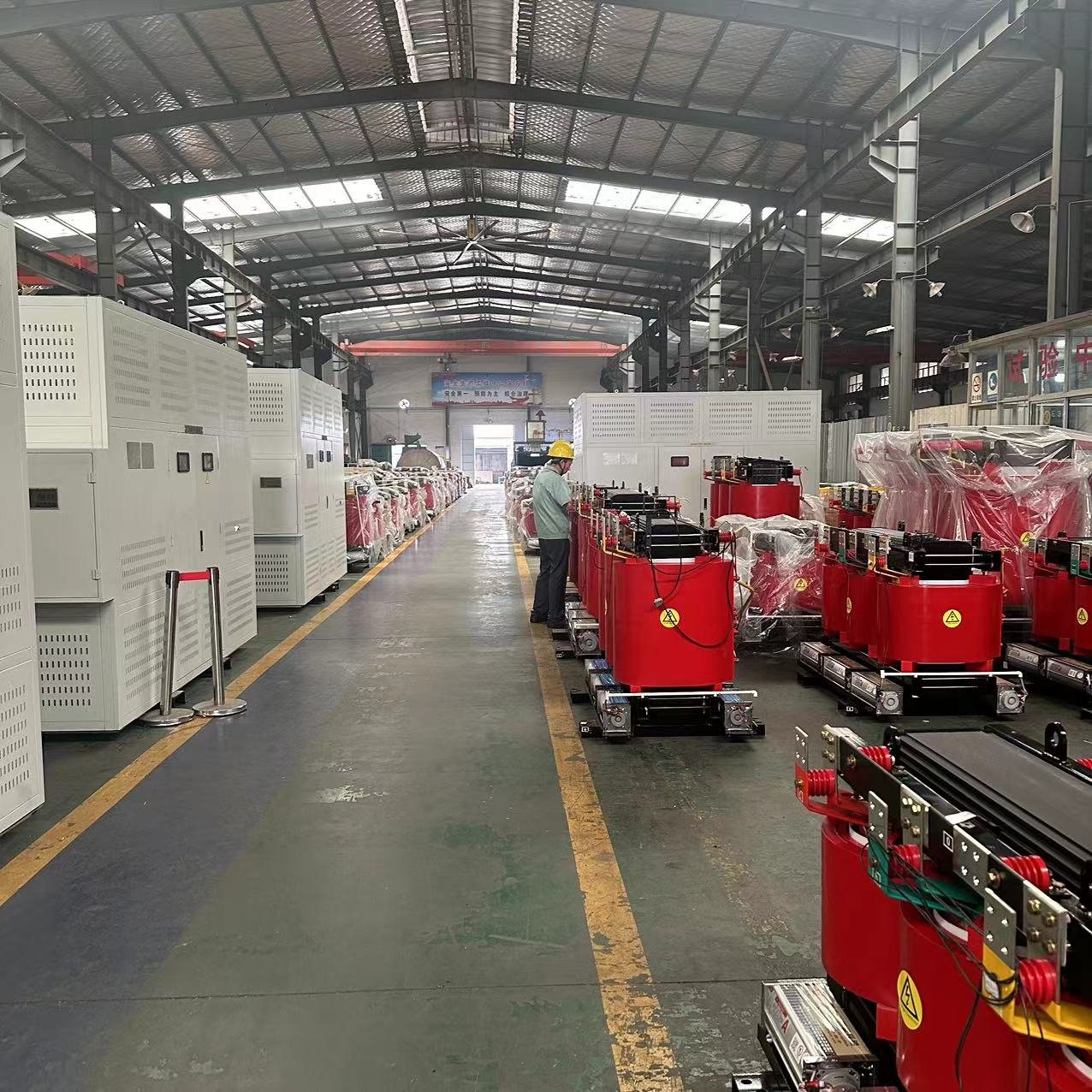
While the indoor spaces utilized dry-type units, the primary utility connection still required a robust outdoor solution. For this, Natalie specified an outdoor pad mounted transformer. This unit would be situated at the perimeter of the pharmaceutical campus, far away from the sensitive GMP cleanrooms.
The pad mounted transformer is a highly secure, tamper-resistant, oil-immersed transformer designed to step down the high incoming utility grid voltage. Because it is installed outdoors on a dedicated concrete pad, the risks associated with indoor oil containment are eliminated. This pad mounted transformer for pharmaceutical plants serves as the critical first line of defense, safely bridging the gap between the external grid and the facility's internal power distribution network.
Technical Parameters Natalie Needed to Confirm Before Quotation
Before finalizing the procurement documents, Natalie had to define a strict set of technical parameters. A generic request for a "transformer" would lead to endless revisions and potential project failure. She needed to specify the rated capacity to handle the combined HVAC load, chiller load, and future expansion.
She had to confirm the primary voltage from the local utility and the secondary voltage required by the facility's switchgear. Given the international nature of her company's supply chain, verifying whether the project required a 50Hz or 60Hz design was paramount. She also reviewed the cooling method—specifying ONAN (Oil Natural Air Natural) for the outdoor pad mounted transformer and AN (Air Natural) or AN/AF (Air Natural / Air Forced) for the indoor cast-resin units.
Other crucial details included specifying an off-circuit tap changer, confirming the preferred winding material (copper or aluminum), mapping the cable routing and cable entry direction, and ensuring robust grounding requirement and protection coordination protocols were integrated with the facility's monitoring alarm signal network. Finally, Natalie meticulously scheduled the delivery schedule to ensure the equipment arrived perfectly in sequence with the construction and validation timeline.
RFQ Checklist for Pharmaceutical Transformer Projects
To help other project managers navigate this complex process, Natalie organized her requirements into a structured RFQ (Request for Quotation) checklist. This table outlines the critical data required for an engineering review before quotation.
| RFQ Item | What Natalie Should Provide | Why It Matters |
|---|---|---|
| Transformer type | Outdoor pad mounted transformer or indoor cast-resin dry-type | Determines the fundamental insulation medium (oil vs. resin) and enclosure design. |
| Installation location | Outdoor campus perimeter or indoor electrical room | Dictates environmental protection, fire safety rules, and containment needs. |
| kVA (Rated capacity) | Total calculated electrical load plus safety margins | Ensures the unit can handle peak pharmaceutical production without overheating. |
| Voltages | Primary voltage and secondary voltage | Must accurately match the local utility grid and the facility's internal switchgear. |
| Phase | Single or three phase | Industrial pharmaceutical equipment strictly requires three phase power. |
| Frequency | 50Hz or 60Hz | Must match the destination country's grid standard to prevent core saturation. |
| Cooling method | ONAN (outdoor) or AN, AN/AF (indoor) | Defines how the transformer dissipates heat during continuous 24/7 operation. |
| Tap changer | Off-circuit tap changer specifications | Allows manual voltage adjustment to compensate for long-term grid variations. |
| Winding material | Copper or aluminum winding | Affects efficiency, size, weight, and initial project cost. |
| GMP/HVAC/Chiller/Refrigeration/Lab Loads | Detailed breakdown of continuous and inductive motor loads | Massive HVAC and cold chain compressors create heavy inrush currents that impact capacity. |
| UPS interface | Capacity and type of backup systems | UPS systems generate harmonics and require precise transformer vector connections. |
| Monitoring | Required monitoring alarm signal integration | Enables the facility management system to track temperature and faults in real-time. |
| Grounding | Grounding requirement specifications | Crucial for personnel safety and mitigating electrical noise in sensitive laboratories. |
| Protection coordination | Relay, fusing, and breaker settings | Ensures faults are isolated rapidly without triggering cascading facility shutdowns. |
| Cable routing | Pathways for medium and low voltage feeds | Guides the physical orientation of the transformer and its compartment accessories. |
| Cable entry direction | Bottom entry or top entry | Ensures heavy underground or overhead cables align with the terminal bushings. |
| Concrete pad condition | Dimensions and civil engineering details | Concrete pad planning prevents rework when the heavy equipment arrives on site. |
| Standards | IEEE, IEC, or specific local utility requirements | Ensures compliance with regulatory codes and utility interconnection rules. |
| Testing documents | Required Factory Acceptance Test (FAT) reports | Provides critical proof of performance necessary for pharmaceutical validation. |
| Destination country | Final physical location of the facility | Dictates shipping logistics, customs documentation, and grid frequency. |
| Delivery schedule | Target arrival date | Allows the manufacturer to allocate production slots to meet construction deadlines. |
| Validation deadline | Date by which the electrical system must be commissioned | Pharmaceutical plants cannot begin regulatory validation until stable power is proven. |
| Future expansion | Anticipated growth in production lines | Ensures the specified transformer has adequate reserved capacity for future scale-up. |
How TransformerGrid Helps Review Pharmaceutical Transformer Requirements
Navigating the intense regulatory and operational demands of a GMP cleanroom environment is a massive undertaking. TransformerGrid engineers understand that pharmaceutical facility managers like Natalie need more than just a price quote—they need absolute certainty that the power infrastructure will support their validation schedule and cold chain integrity.
We provide comprehensive engineering review before quotation. By analyzing your facility's specific HVAC loads, chiller demands, grounding requirements, and fire safety restrictions, our team helps clarify whether an outdoor pad mounted transformer, an indoor cast-resin dry-type transformer, or a combination of both is required. This early technical communication helps prevent costly delays and ensures that the final equipment specifications align perfectly with your GMP project goals.
Conclusion
For a pharmaceutical manufacturing plant, power distribution is not merely a utility—it is the lifeblood that sustains cleanroom environments, protects highly valuable cold chain inventory, and enables successful regulatory validation. Natalie's rigorous approach to defining her transformer strategy highlights the critical importance of matching the right technology to the right environment.
By recognizing the distinct roles of outdoor pad mounted transformers and indoor cast-resin dry-type transformers, mapping out continuous GMP cleanroom loads, and demanding thorough documentation, project managers can eliminate hidden risks before procurement even begins. Engaging in early technical reviews ensures that when the facility is finally ready to power up, the transformers will deliver the uncompromising stability that pharmaceutical manufacturing demands.
Frequently Asked Questions
Planning a Pharmaceutical Manufacturing Plant or GMP Cleanroom Expansion?
Send us your transformer type requirement, installation location, GMP cleanroom load schedule, expected rated capacity, primary voltage, secondary voltage, phase, frequency, cooling method requirement, tap changer requirement, UPS interface details, grounding requirement, cable routing, testing document needs, destination country, and required delivery schedule.
TransformerGrid engineers can help perform an engineering review before quotation for both your outdoor pad mounted transformer and indoor cast-resin dry-type transformer needs.
No consulting fee. No pressure to order. Just early technical communication to protect your validation schedule.
For product scope, kVA ranges, compartment options and RFQ information, review the TransformerGrid pad mounted transformer product page.