Pad Mounted Transformer and Cast-Resin Dry-Type Transformer for Electronics Manufacturing: How Amelia Matched Cleanroom Safety, Power Reliability and Expansion Needs
Introduction: Amelia's Cleanroom Expansion Needed More Than One Transformer Type
Amelia Carter, an electronics manufacturing facility director, was managing a critical cleanroom expansion and semiconductor expansion project. Her core concern was achieving a successful cleanroom startup without power-related delay, equipment recalibration, sensitive equipment shutdowns, yield loss or documentation mismatch. The stakes were exceptionally high; in semiconductor and advanced electronics manufacturing, even a momentary power anomaly can ruin entire batches of high-value wafers and components.
Her project scope was vast and complex. It included cleanroom production areas, electronics assembly equipment, testing equipment, massive HVAC systems, chillers, UPS systems, VFD/rectifier loads, compressors, indoor electrical rooms, outdoor factory distribution, underground cable routing and provisions for future expansion. As she began planning the electrical infrastructure, Amelia discovered a key insight: her project needed different transformer types in different locations to meet strict safety, environmental, and operational requirements.
Why the Customer Required a Cast-Resin Dry-Type Transformer
During the initial design review, the project engineers specified a "resin transformer" for the main production building. Amelia quickly learned that this customer requirement usually means a cast-resin dry-type transformer. It is fundamentally different from traditional oil-immersed transformers and outdoor pad mounted transformers.
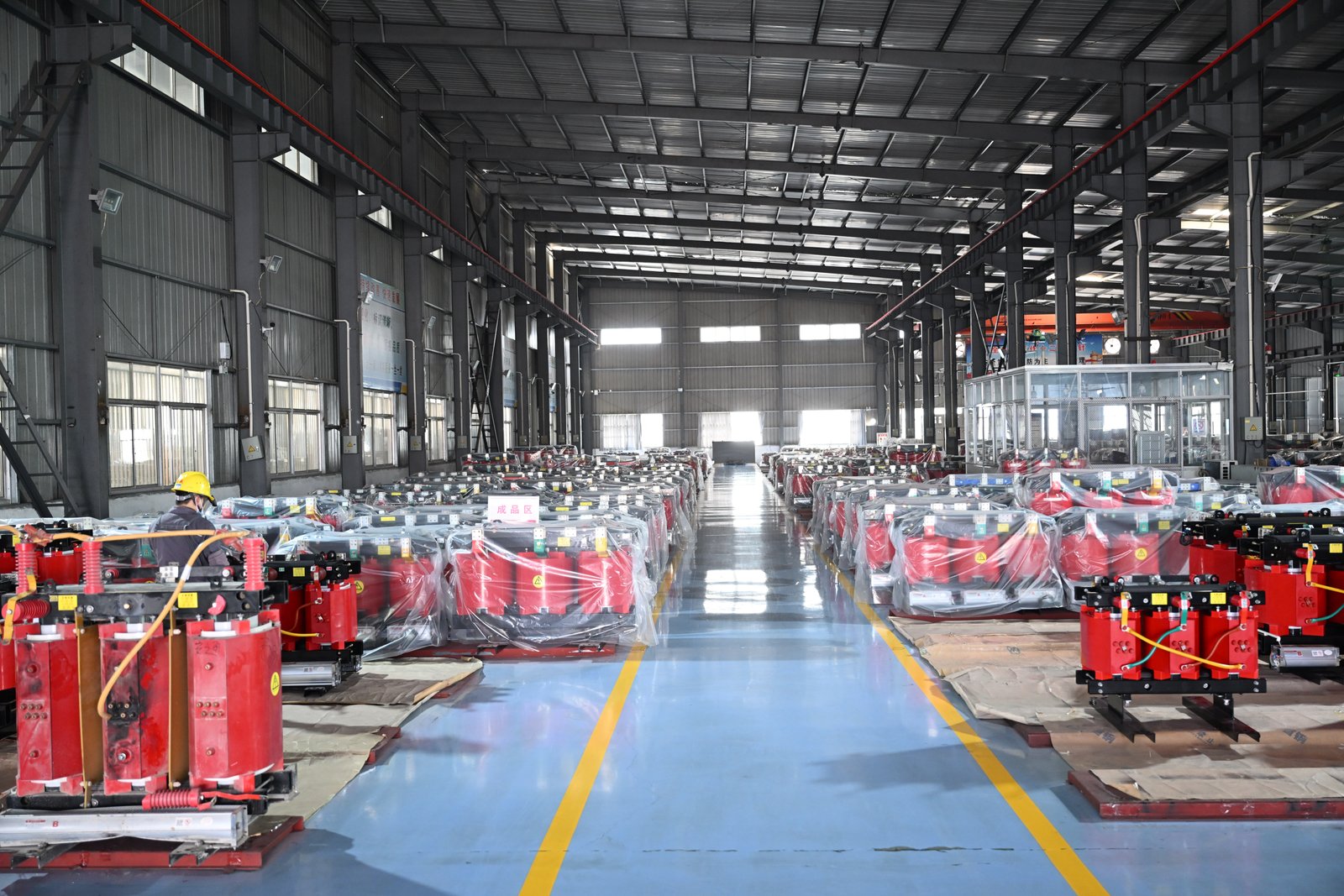
Cast-resin dry-type transformers use solid resin insulation instead of liquid dielectric coolant. Because they contain no flammable oil, they are commonly considered for indoor electrical rooms, building-side distribution areas, fire-safety-sensitive zones, and cleanroom-adjacent power distribution areas. They are also specified where oil-free equipment may be required by the design institute or project standard to eliminate the risk of oil leaks and reduce fire hazards inside the facility. The reason for this specification may include indoor installation constraints, strict fire safety codes, an oil-free design preference, maintenance considerations and specific project standards. However, final transformer selection should follow the approved electrical design, local utility requirements, fire-safety requirements and project standards.
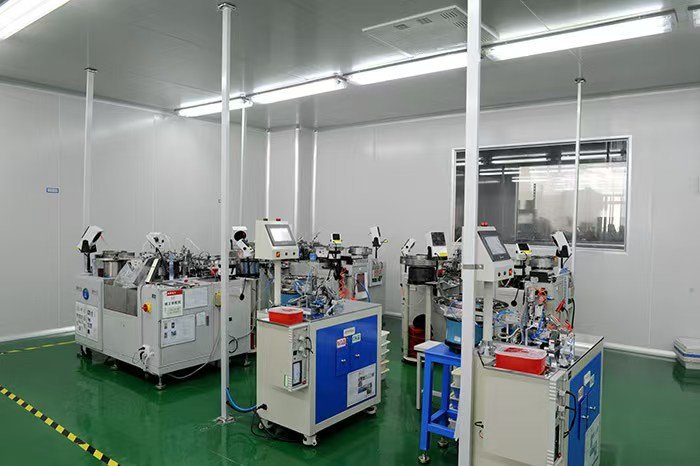
Where Pad Mounted Transformer Still Fits in the Factory Power System
While the indoor electrical rooms required dry-type units, Amelia realized that an outdoor pad mounted transformer was still critically important for the overall factory power system. The facility's footprint extended far beyond the cleanroom walls.
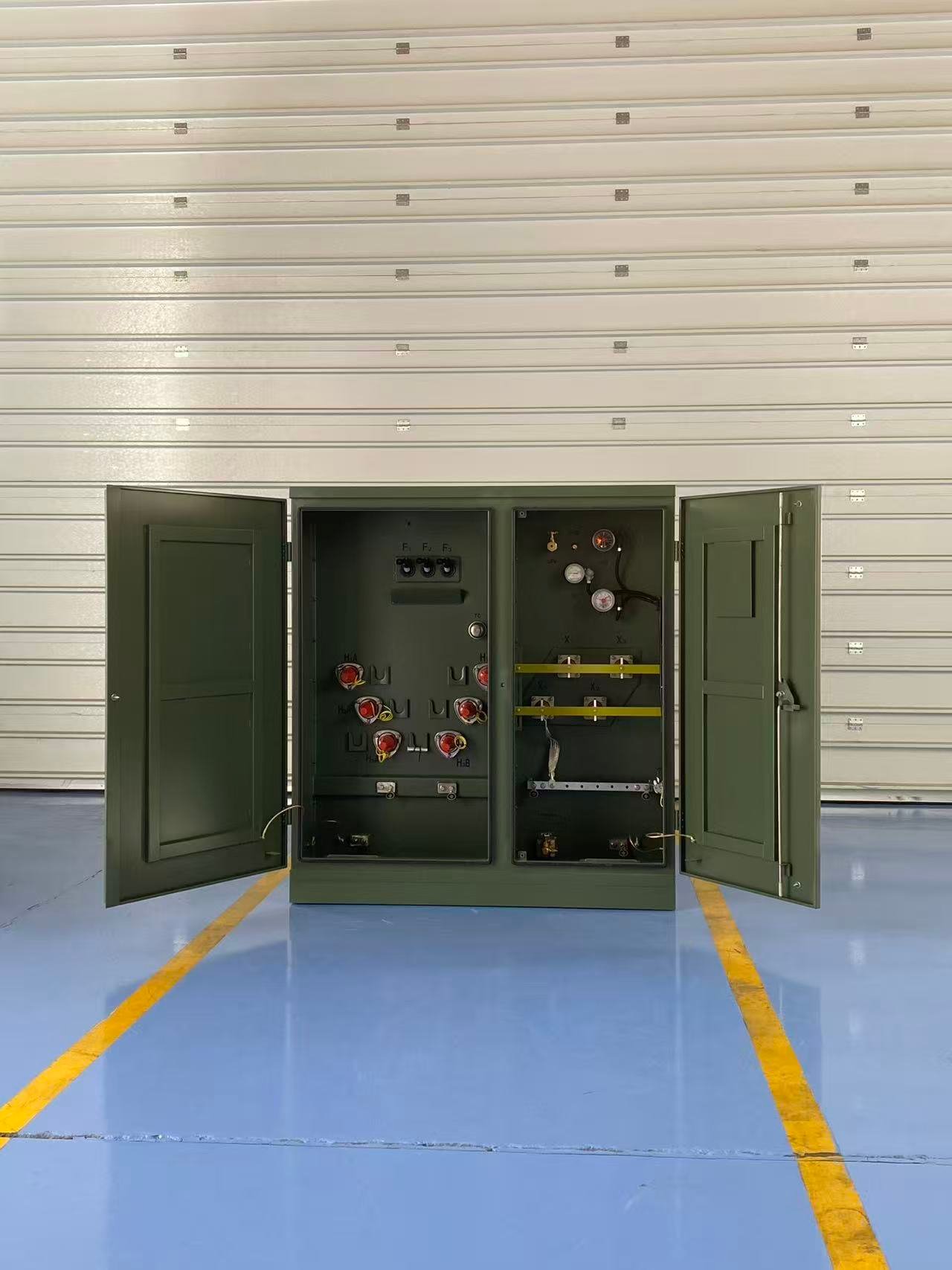
The pad mounted transformer plays a vital role in outdoor factory power distribution, managing underground cable routing, and handling utility-side project supply. It is the ideal solution for outdoor installation, industrial park-style power supply, and feeding power to separate expansion areas across the campus. In Amelia's project, the pad mounted transformer serves the outdoor/utility side, stepping down the high incoming grid voltage, while the cast-resin dry-type transformer serves the indoor/building side, distributing power safely close to the sensitive cleanroom loads.
Cleanroom Loads: HVAC, Chillers, UPS and Sensitive Equipment
Cleanroom power distribution is uniquely demanding. Amelia and her engineering team had to review multiple load types to ensure the transformers were sized and specified correctly. These included the cleanroom HVAC load, air handling load, filtration and humidity control loads, chiller load, process equipment load, testing equipment load, UPS system, compressor load, automation load, and highly sensitive equipment load.
Each of these loads matters significantly for transformer selection. Massive chillers and compressors draw high inrush currents during startup, which can cause voltage sags if the transformer is undersized. The UPS systems and sensitive testing equipment require absolute voltage stability. These diverse loads directly influence the required transformer capacity, the necessary cooling method, protection coordination, and stringent power quality requirements. Amelia needed to understand all these loads comprehensively before selecting the transformer type and capacity to prevent operational instability.
Power Quality, Harmonics and Protection Coordination
Electronics manufacturing projects inherently include a high density of non-linear loads, such as VFDs, UPS systems, rectifier-based loads, automation equipment, and testing devices. These devices generate significant electrical harmonics that can distort the power waveform and cause standard transformers to overheat.
This harmonic influence on transformer selection cannot be ignored. The design team should review harmonic influence, grounding requirements, protection coordination, transformer loading, and filtering needs. A transformer feeding heavy rectifier loads may require a specific K-factor rating or electrostatic shielding to manage the harmonic heating and protect the cleanroom equipment. These factors should be reviewed thoroughly before procurement, though final approval remains subject to the local design institute, utility, project owner and applicable standards.
How Amelia Compared Outdoor Pad Mounted and Indoor Resin Dry-Type Transformer Options
To build a resilient power architecture, Amelia systematically compared the two transformer technologies. The pad mounted transformer is characterized by its outdoor placement, oil-immersed cooling, utility-side application, and secure underground cable entry. It is rugged, weather-resistant, and cost-effective for bulk power step-down from the utility grid.
Conversely, the cast-resin dry-type transformer is defined by its indoor placement, oil-free construction, building-side distribution role, fire-safe characteristics, and suitability for cleanroom-adjacent environments. Amelia evaluated both options against her project requirements, realizing that she did not have to choose just one. She needed to understand both transformer types to make the right selection for different parts of her facility, utilizing pad mounted units for the campus perimeter and dry-type units deep inside the manufacturing building.
Technical Parameters Amelia Needed to Confirm Before Quotation
Before requesting a formal quotation, Amelia compiled a rigorous list of technical parameters that had to be confirmed to ensure the equipment matched the facility's needs. These included:
- Rated capacity / kVA: Sized to handle peak cleanroom HVAC and process loads with room for expansion.
- Primary voltage and Secondary voltage: Matching the utility feed and the internal factory distribution requirements.
- Phase (single or three phase): Industrial manufacturing strictly requires a three phase transformer.
- Frequency (50Hz or 60Hz): Must match the destination country's grid standard.
- Cooling method (ONAN, AN, AN/AF): Determining whether natural air or forced air cooling is required based on the installation environment.
- Tap changer requirement (off-circuit tap changer): For adjusting voltage levels to compensate for grid fluctuations.
- Winding material (copper winding or aluminum winding): Based on project specifications and efficiency requirements.
- Insulation requirement: Critical for the cast-resin dry-type units operating near cleanrooms.
- Protection requirement: Fusing, relays, and enclosure ratings.
- Testing standards and Testing documents: Required for facility commissioning and compliance.
- Accessories: Temperature monitors, fault indicators, and communication interfaces.
- Installation location: Dictating whether an outdoor pad mounted or indoor dry-type unit is needed.
- Delivery schedule: Aligning equipment arrival with the construction critical path.
Each parameter matters for transformer selection and quotation. Accurate technical information prevents delays, costly site rework, and ensures the equipment will perform reliably under the specific demands of semiconductor manufacturing.
RFQ Checklist for Electronics Manufacturing Transformer Projects
To streamline the procurement process and ensure no critical details were missed, Amelia developed a comprehensive RFQ checklist. This structured approach helps manufacturers provide accurate proposals and engineered solutions.
| RFQ Item | What Amelia Should Provide | Why It Matters |
|---|---|---|
| Transformer type required | Pad mounted transformer or cast-resin dry-type transformer | Determines the fundamental design, insulation medium, and physical construction of the unit. |
| Installation location | Outdoor / indoor / electrical room / cleanroom-adjacent area | Dictates enclosure ratings, cooling methods, and environmental protection requirements. |
| Fire-safety or oil-free requirement | Specific fire codes or facility mandates for oil-free equipment | Mandates the use of cast-resin dry-type transformers in sensitive indoor zones. |
| Expected kVA | Total calculated load plus safety margin | Ensures the transformer can handle peak production without overheating. |
| Primary voltage | Incoming utility or campus loop voltage | Defines the high-voltage insulation class and bushing configuration. |
| Secondary voltage | Operating voltage for factory equipment | Ensures compatibility with the facility's main switchgear and machinery. |
| Single phase or three phase | Confirmation of three-phase requirement | Industrial manufacturing equipment requires three-phase power. |
| 50Hz or 60Hz | Grid frequency of the destination country | Fundamental for core design; incorrect frequency causes severe overheating. |
| Cooling method | ONAN (oil), AN or AN/AF (dry-type) | Determines how the transformer dissipates heat during heavy load cycles. |
| Tap changer requirement | Off-circuit tap changer specifications | Allows voltage adjustment to compensate for utility grid variations. |
| Winding material requirement | Copper winding or aluminum winding | Affects transformer size, weight, efficiency, and initial cost. |
| Cleanroom HVAC load | Power draw of air handling and filtration systems | Represents a massive, continuous load that must be factored into capacity. |
| Chiller load | Power requirements for facility cooling | Involves high inrush currents that can cause voltage sags if undersized. |
| Process equipment load | Power draw of manufacturing machinery | The core operational load of the electronics manufacturing plant. |
| Testing equipment load | Power needs for quality control devices | Requires highly stable, clean power to ensure accurate testing yields. |
| UPS system information | Capacity and type of uninterruptible power supplies | UPS systems generate harmonics and require specific transformer coordination. |
| VFD / rectifier loads | Details of non-linear motor drives and rectifiers | Major source of harmonic distortion requiring robust transformer design. |
| Harmonic review requirement | Expected Total Harmonic Distortion (THD) levels | May necessitate K-factor rated transformers or specialized shielding. |
| Grounding requirement | Specific grounding schemes for sensitive electronics | Critical for personnel safety and preventing electrical noise in cleanrooms. |
| Protection coordination requirement | Relay and fusing specifications | Ensures faults are isolated quickly without shutting down the entire plant. |
| Cable routing | Pathways for incoming and outgoing power cables | Guides the physical orientation and terminal placement of the transformer. |
| Cable entry direction | Bottom entry or top entry specifications | Ensures heavy cables can physically connect to the transformer terminals. |
| Concrete pad / foundation condition | Dimensions and structural details for pad mounted units | Prevents delivery of equipment that does not fit the prepared civil works. |
| Indoor enclosure or protection requirement | IP/NEMA ratings for dry-type transformers | Protects indoor units from dust, moisture, and accidental contact. |
| Standards required | IEEE, IEC, or specific local utility standards | Ensures the equipment meets regulatory and safety compliance. |
| Testing documents | Required Factory Acceptance Test (FAT) reports | Provides proof of performance and quality before the unit ships. |
| Destination country | Final location of the manufacturing plant | Dictates shipping logistics, customs documentation, and national standards. |
| Required delivery schedule | Target arrival date to align with construction | Allows the manufacturer to allocate production slots to meet deadlines. |
| Future expansion plan | Anticipated growth in production capacity | Ensures the transformer has adequate reserved capacity for future loads. |
How TransformerGrid Helps Review Electronics Manufacturing Transformer Requirements
Navigating the complex power requirements of a semiconductor or electronics manufacturing facility requires specialized expertise. TransformerGrid engineers can help review transformer-side technical requirements and documentation before quotation. By analyzing your cleanroom load schedules, harmonic profiles, and installation constraints early in the process, our team helps identify potential issues before they become costly problems.
Early technical communication prevents delays, ensures compliance with project standards, and aligns equipment specifications with actual operational needs. There is no consulting fee required for this review. Our goal is to help customers understand their transformer requirements thoroughly before final drawings are approved, ensuring a smooth procurement and installation process.
Conclusion
Amelia's journey from initial confusion to absolute clarity demonstrates that electronics manufacturing projects often need multiple transformer types to function safely and efficiently. By understanding the distinct roles of outdoor pad mounted transformers and indoor cast-resin dry-type transformers, she was able to build a resilient power infrastructure that protected her cleanroom startup and sensitive equipment.
Thoroughly reviewing cleanroom HVAC loads, harmonic influences from VFDs and UPS systems, and precise technical parameters before requesting a quotation is essential. We encourage facility directors and procurement managers to engage in early engineering review to ensure their power distribution systems are robust, compliant, and ready for future expansion.
Frequently Asked Questions
Planning an electronics manufacturing plant, semiconductor facility, cleanroom expansion or indoor electrical room project?
Send us your transformer type requirement, installation location, cleanroom load schedule, expected kVA, primary voltage, secondary voltage, phase, frequency, cooling method requirement, tap changer requirement, UPS and VFD load information, grounding requirement, cable routing, cable entry direction, fire-safety or oil-free requirement, testing document needs, destination country and required delivery schedule.
TransformerGrid engineers can help review pad mounted transformer and cast-resin dry-type transformer requirements before quotation.
No consulting fee. No pressure to order. Just early technical communication before your electronics manufacturing project becomes urgent.
Related Technical Guides
- Pad Mounted Transformer Compartments and Accessories: How Eric Confirmed RFQ Requirements Before Ordering
- Pad Mounted Transformer Dimensions and Concrete Pad Planning: How Laura Avoided Site Rework Before Installation
- Pad Mounted Transformer Lead Time: How Maya Prepared Early Before Final Drawings Were Ready
- Three Phase Transformer for Industrial Loads: How Marcus Reduced Downtime Risk with the Right Pole or Pad Solution
- Delta and Wye Transformer Connections: How Victor Avoided a Wrong Pole or Pad Transformer Specification
- Step Up or Step Down Transformer? How Nina Confirmed Voltage Direction Before Ordering a Pole or Pad Transformer
- Pad Mounted Transformer for Data Centers and AI Power Loads: How Grace Reduced Uptime Risk Before Ordering
For product scope, kVA ranges, compartment options and RFQ information, review the TransformerGrid pad mounted transformer product page.