500kVA Pad Mount Transformer: Price Factors, Applications and Quotation Checklist
When planning a commercial, industrial, or utility project, the 500kVA pad mounted transformer is one of the most common capacities specified. However, buyers often notice significant price differences when receiving quotations from various manufacturers. Understanding what drives these costs is essential for making an informed procurement decision.
What Is a 500kVA Pad Mount Transformer?
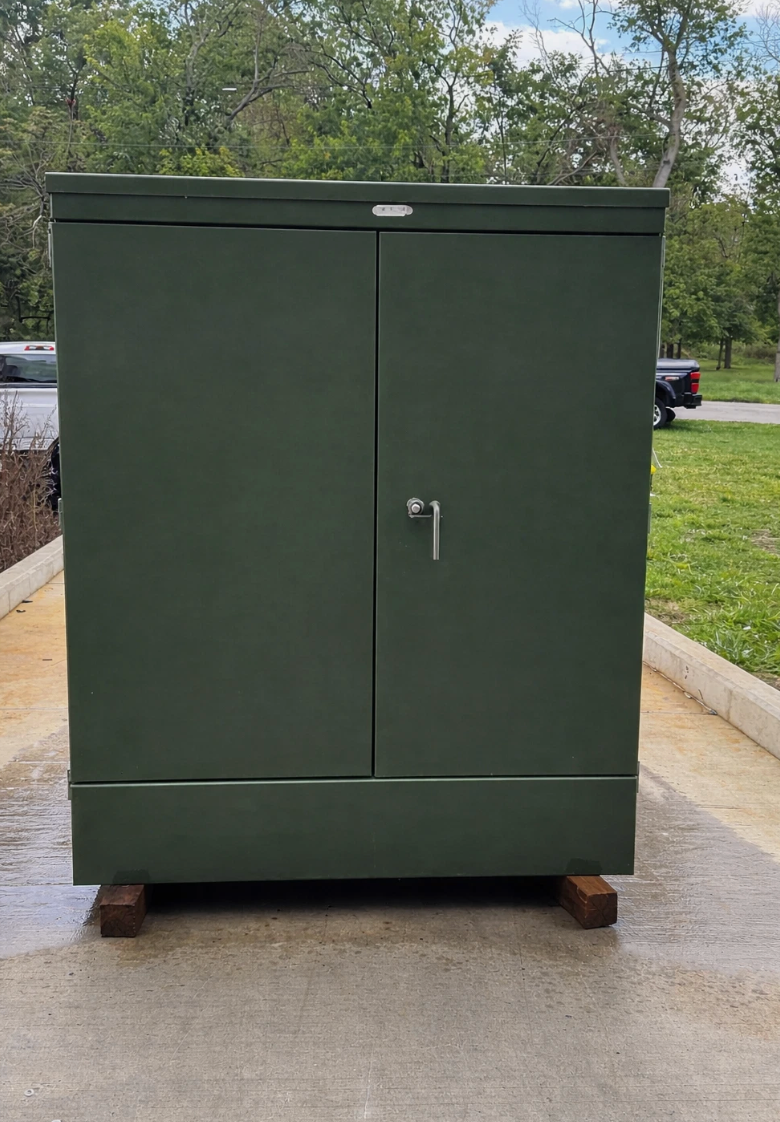
A 500kVA pad mount transformer is a ground-mounted electrical distribution transformer locked in a secure, tamper-proof steel cabinet. It acts as a step up or step down transformer to convert primary medium-voltage utility power to a lower secondary voltage suitable for commercial buildings, industrial facilities, and large residential complexes. Because it is installed at ground level on a concrete pad, it does not require a fenced enclosure, making it ideal for public or accessible areas.
Why 500kVA Pad Mount Transformer Prices Can Be Very Different
Two 500kVA transformers can have price differences of 20% to 50%. This variance is rarely due to arbitrary markup. Instead, it reflects critical engineering choices, material selections, required testing standards, and compliance with specific utility regulations. For example, a 100 kVA pad mounted transformer price scales differently than a 500kVA unit, but both are heavily influenced by whether they are designed for general commercial use or highly customized for strict utility specifications.
Copper or Aluminum Windings: A Major Price Factor
The choice of winding material has a massive impact on the final price. Aluminum is lighter and less expensive, making it the standard choice for most commercial applications to keep initial costs low. Copper, while more expensive, offers superior conductivity, a smaller footprint, and better short-circuit withstand capabilities. If a specification strictly requires copper windings, the price of the 500kVA unit will be substantially higher.
Voltage, Phase and Design Requirements Change the Final Cost
A 500kVA pad mount transformer designed for a standard 12.47kV to 480Y/277V application will cost less than one requiring a customized dual-voltage primary or an unusual secondary voltage. Furthermore, the internal configuration—whether it is a radial feed or loop feed design—affects the cost. Loop feed designs require additional high-voltage bushings and load break switches, which directly increase the manufacturing expense.
Accessories Can Make a Large Price Difference
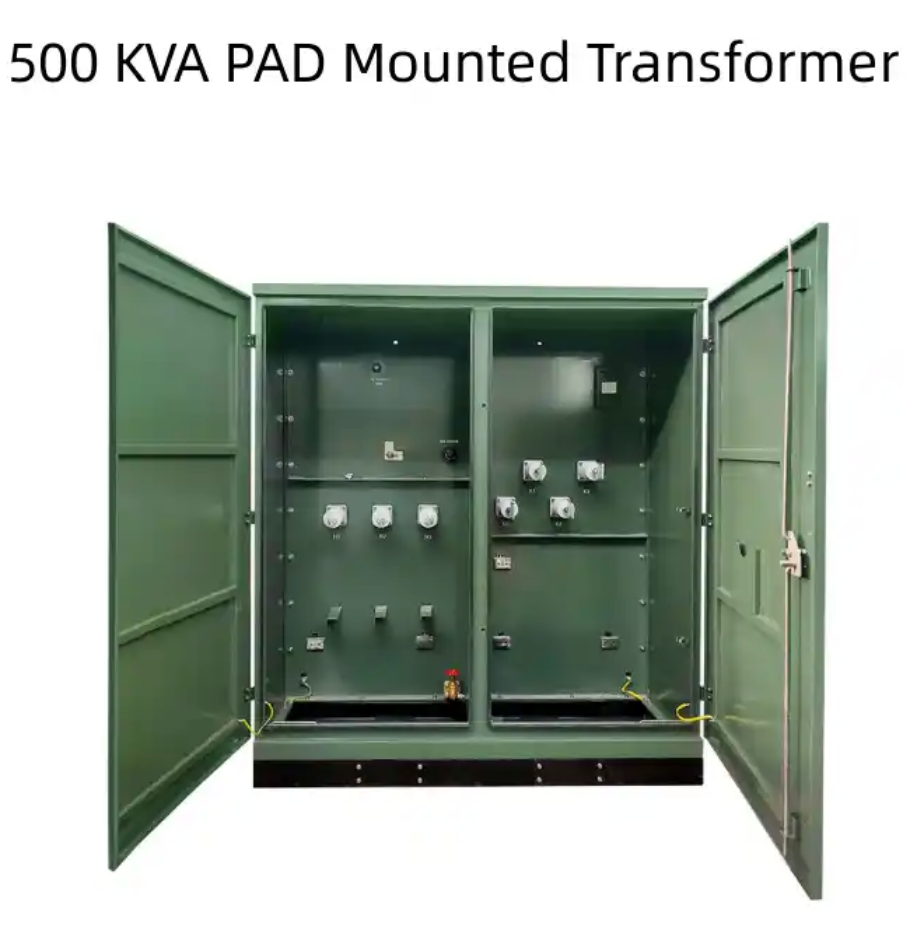
Accessories are frequently overlooked during initial budgetary estimates. Depending on the utility requirement or project engineer's specification, a 500kVA transformer might need bayonet fuses, current limiting fuses, specialized pressure relief devices, liquid level gauges, temperature indicators, or automated monitoring sensors. The addition of stainless steel enclosures for high-corrosion environments will also significantly raise the unit price compared to standard mild steel.
Raw Material Prices and Quotation Validity
Transformer manufacturing is heavily dependent on global commodity markets. The prices of electrical steel, copper, aluminum, and transformer oil fluctuate daily. Therefore, a quotation for a 500kVA pad mount transformer is typically valid for a limited time—often 15 to 30 days. Buyers should secure their orders promptly once technical details are confirmed to avoid price increases caused by raw material market volatility.
Shipping Distance and Delivery Conditions Matter
A 500kVA pad mount transformer weighs between 3,500 and 5,000 pounds (1,500 to 2,200 kg) depending on its design. Transporting heavy equipment requires specialized freight. The distance from the manufacturing facility to the project site, port fees, customs clearance for international shipments, and specific site delivery requirements (such as crane offloading) must be calculated into the final landed cost.
Manufacturing System Maturity Matters
Suppliers with mature, ISO-certified manufacturing systems offer consistent quality, standardized testing, and reliable delivery schedules. While a less established factory might offer a lower initial price, the risk of delayed delivery, high failure rates, or non-compliance with local standards often results in severe project delays and higher overall costs. Experienced manufacturers invest heavily in routine testing and quality control.
Quality Should Be Compared, Not Just Price
Procurement teams should compare the technical specifications behind the price. Are you comparing a unit with standard losses against a high-efficiency design? Does the cheaper quote omit required testing reports or necessary protection fuses? A slightly higher initial investment in a well-built transformer with the correct specifications will prevent expensive operational failures and maintenance issues down the road.
Common Applications of a 500kVA Pad Mount Transformer
Due to its versatile capacity, the 500kVA rating is widely deployed across various sectors:
- Mid-sized commercial buildings and retail centers
- Hospitals and healthcare facilities
- Data centers and high-density computing facilities
- Industrial manufacturing plants and warehouses
- Large multi-family residential developments
- Pad mounted transformer for EV charging stations
Quotation Checklist for a 500kVA Pad Mount Transformer
To receive an accurate and fast quotation, buyers should provide the following information to the manufacturer:
- Capacity: Confirm 500kVA
- Phase: Single-phase or Three-phase
- Primary Voltage: Include connection type (e.g., 12470GrdY/7200)
- Secondary Voltage: (e.g., 480Y/277V or 208Y/120V)
- Configuration: Radial feed or Loop feed
- Winding Material: Aluminum or Copper
- Efficiency Standard: e.g., DOE 2016, CSA, or specific utility standard
- Required Accessories: Fuses, gauges, switches
- Installation Environment: Standard or corrosive (stainless steel requirement)
- Destination: Country and site location for freight calculation
FAQ
For product scope, kVA ranges, compartment options and RFQ information, review the TransformerGrid pad mounted transformer product page.