Pad Mounted Transformer for Ports and Cold Storage: How Marina Planned Reefer Loads, Coastal Power and 35kV Step-Up Connection
1. Introduction: Marina was planning port power, cold storage power and renewable energy together
Managing the electrical infrastructure of a massive, modern port facility is a uniquely demanding task. When Marina Lopez took over as the lead electrical infrastructure planner for a major coastal logistics hub, she inherited a multi-faceted expansion project. Her mandate was not just to upgrade the existing pad mounted transformer network, but to completely overhaul the power distribution system to support a rapidly expanding container yard, a massive new cold storage warehouse, and a suite of on-site renewable energy installations.
Marina was responsible for port facility power, container yard operation, and cold storage warehouse power planning. The site, situated directly on the coast, featured vast open surrounding land perfect for wind turbines, alongside expansive warehouse roofs that were ideal for a commercial rooftop photovoltaic system. The corporate goal was ambitious: implement a model of self-consumption with surplus power exported to the grid. This meant Marina had to meticulously plan the procurement of both pad mounted distribution transformers for the heavy industrial loads and high-voltage step-up transformers for the renewable energy export. Her journey from initial load calculations to finalizing the pad mounted transformer quotation provides a comprehensive blueprint for similar port and logistics projects worldwide.
2. Why ports and cold storage warehouses need careful transformer planning
Unlike standard commercial real estate or light industrial parks, ports and cold storage facilities operate under continuous, punishing loads. A pad mounted transformer for ports must endure brutal environmental conditions while delivering uninterrupted power to highly sensitive, critical equipment. If power fails at an office building, the result is an inconvenience; if a cold storage transformer fails, the result is millions of dollars in spoiled perishable goods.
Furthermore, the electrical landscape of a port is highly dynamic. Heavy machinery, massive gantry cranes, and miles of automated conveyor systems draw massive amounts of power, often creating severe harmonic distortions and voltage drops. For the cold storage facilities, the primary load consists of immense industrial refrigeration compressors. These compressors require tremendous inrush currents when starting. Therefore, a standard off-the-shelf transformer is insufficient. Marina recognized early on that she needed a specialized pad mounted transformer for cold storage that was over-engineered for high thermal tolerance, low losses, and robust harmonic mitigation. This required intense engineering review before quotation, ensuring that the core and coils were explicitly designed for the specific power profile of the logistics hub.
3. Reefer container loads: why cold-chain power cannot be ignored
One of the most challenging aspects of Marina's planning was accounting for refrigerated shipping containers, commonly known as "reefers." A modern container yard can host thousands of these reefers simultaneously, all requiring constant power to maintain strict cold-chain temperatures for agricultural products, pharmaceuticals, and frozen goods.
A reefer container power transformer must handle unique load characteristics. When a ship unloads hundreds of reefers, they are plugged into the yard's electrical grid. The simultaneous starting of hundreds of individual cooling compressors creates a colossal spike in power demand. If the container yard transformer is undersized or poorly designed, this sudden load can cause severe voltage sags, leading to compressor motor failures across the yard. Marina's team had to conduct a rigorous analysis of the "estimated simultaneous load" to correctly size the pad mounted transformer for container yards, ensuring that sufficient reserve capacity was built in to handle peak port traffic without risking a catastrophic power failure in the cold-chain network.
5. Yard lighting, gate systems, security systems and maintenance loads
While the heavy machinery and reefer containers dominated the high-voltage planning, Marina could not overlook the expansive network of ancillary electrical loads that kept the port functioning safely and efficiently 24 hours a day. The container yard was bathed in high-mast LED yard lighting to ensure safe nocturnal operations. Automated gate systems, utilizing complex optical character recognition (OCR) and high-speed barriers, required highly stable, clean power to process thousands of trucks daily.
Additionally, the port featured extensive security systems, including hundreds of high-definition cameras, radar scanners, and secure communication networks. Heavy maintenance workshops, equipped with industrial welders, lathes, and high-capacity battery chargers for electric port vehicles, added further complexity to the load profile. To manage these diverse requirements, Marina strategically dispersed smaller pad mounted distribution transformers throughout the site. By doing so, she minimized the length of low-voltage cable runs, reducing voltage drop and ensuring that each specific zone—from the administrative office buildings to the heavy maintenance bays—received reliable, clean power tailored to its specific load characteristics.
6. Coastal environment: why protection requirements matter
Because the logistics hub was situated directly on the oceanfront, the physical durability of the electrical equipment was just as critical as its electrical capacity. A coastal pad mounted transformer is subjected to a relentless assault from the environment. High humidity, severe temperature fluctuations, and constant exposure to corrosive salt fog and chloride ions can rapidly degrade standard carbon steel enclosures, leading to dangerous oil leaks and internal electrical failures.
Marina was acutely aware of these risks and utilized resources like the Coastal Corrosion Protection for Pole & Pad Mounted Transformers | Buyer Guide to define her procurement specifications. She mandated that every pad mounted transformer RFQ include strict anti-corrosion requirements. This meant specifying stainless steel (such as 304L or 316L) for the outer cabinets or requiring a heavy-duty C5 marine-grade paint system with rigorous salt spray test certifications. Furthermore, she required enhanced sealing systems to prevent moisture ingress into the insulating oil and specified high-creepage bushings designed specifically to prevent flashovers caused by conductive coastal pollution.
7. Wind and rooftop solar planning near the port
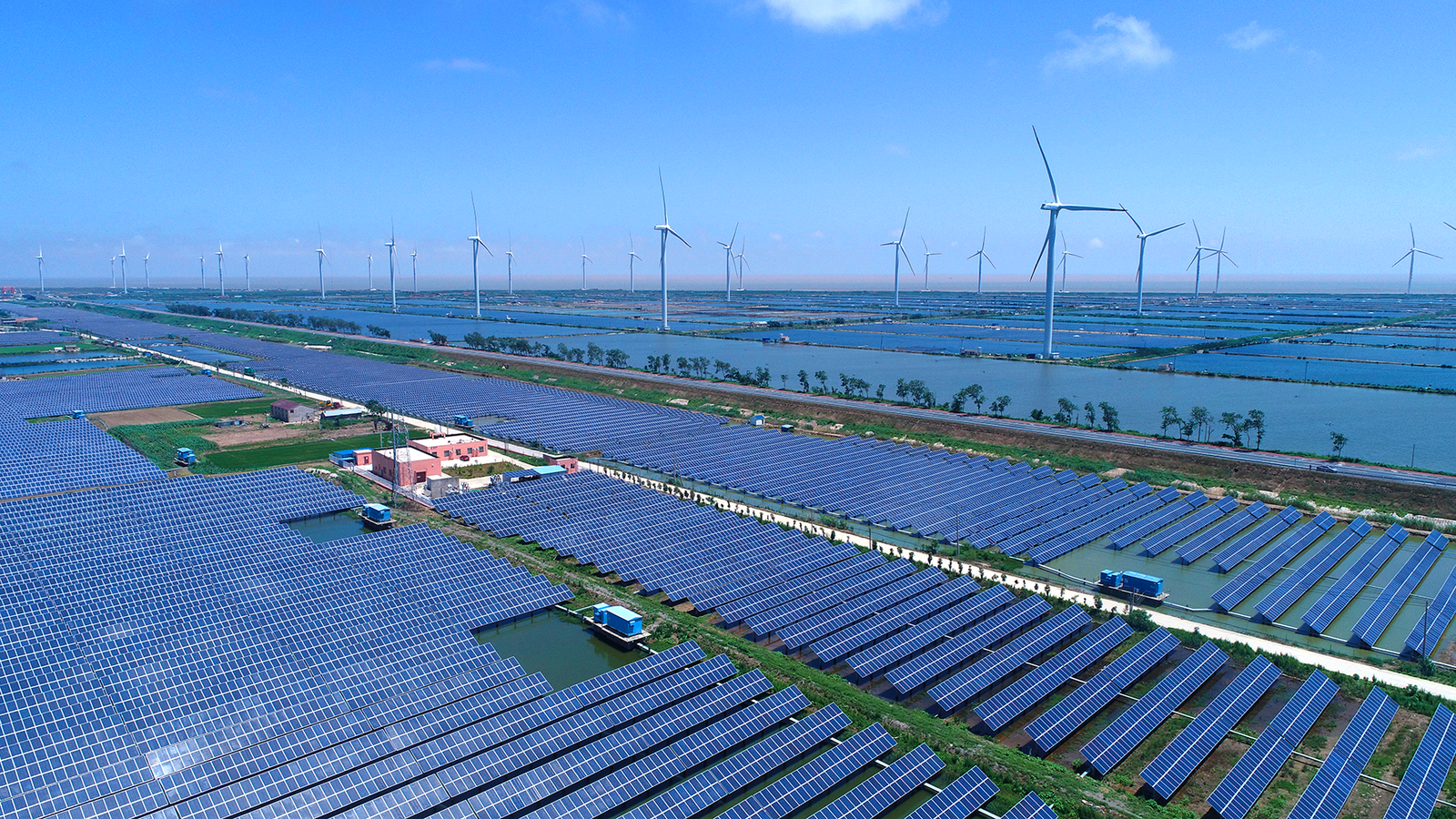
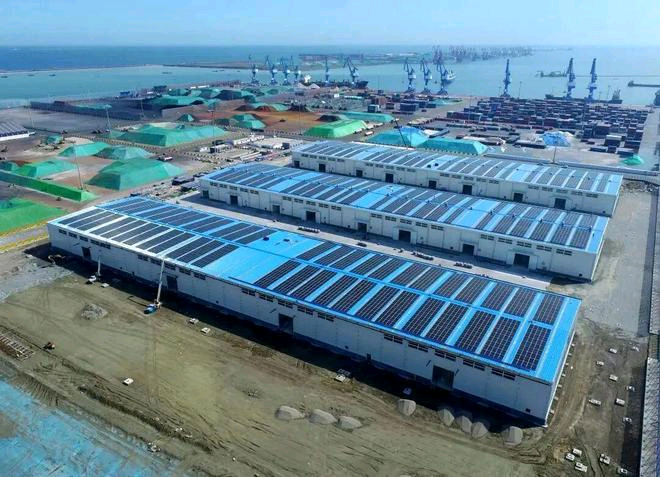
Beyond standard power distribution, Marina's project was driven by aggressive corporate sustainability goals. The port facility aimed to drastically reduce its carbon footprint and operational costs by generating its own green electricity. The expansive, flat roofs of the new cold storage warehouses provided an ideal canvas for a massive rooftop photovoltaic system, while the vast, unobstructed coastal land surrounding the port was perfectly suited for commercial-grade wind turbines.
This renewable energy infrastructure was designed to operate under a self-consumption with surplus power exported to the grid model. During peak daylight and high-wind periods, the renewable systems would power the reefer containers, cold storage compressors, and port machinery directly, drastically cutting utility bills. The integration of this green electricity was not just about corporate social responsibility; it was a highly lucrative financial strategy designed to capitalize on government incentives, generate carbon credits, and participate actively in regional carbon trading markets. However, connecting these variable generation sources to the port's internal grid and the wider utility network required specialized renewable energy transformer solutions.
9. Why the project needed a 35kV step-up transformer and 35kV line review
While the pad mounted transformers distributed power down to the operational voltages (e.g., 480V or 400V) needed by the port machinery, exporting the surplus renewable energy required the opposite process. Solar inverters and wind turbine generators output power at relatively low voltages. To efficiently transmit this surplus green electricity over long distances back to the regional utility grid with minimal line losses, the voltage had to be significantly increased.
This required the implementation of a Step Up Transformer for Solar and Wind Projects: How Aisha Matched Grid-Connection Requirements Before Ordering. In Marina's case, the local utility infrastructure mandated a specific grid-connection voltage of 35kV. Therefore, she had to carefully specify a 35kV step-up transformer designed explicitly for renewable integration. A step-up transformer for wind power and a step-up transformer for photovoltaic system installations must endure severe thermal cycling and handle the complex high-frequency harmonics generated by modern inverters. Marina worked closely with grid engineers to conduct a thorough 35kV line review, ensuring that the selected wind power transformer and solar step-up units met all stringent utility requirements for synchronization, protective relaying, and anti-islanding before any surplus power could be exported.
10. Marina's story: choosing both pad mounted distribution transformers and step-up transformers
Coordinating the procurement of both load-serving distribution transformers and grid-feeding step-up transformers was a monumental task. Marina knew that treating these as simple commodity purchases would result in system incompatibility and massive project delays. She needed a comprehensive solution that addressed both sides of the energy equation.
She utilized resources like the Pad Mounted Transformer for Cold Storage Warehouses: How Henry Protected Refrigeration Loads and Planned a 10kV Solar Step-Up System to inform her strategy. By combining her procurement strategy, Marina ensured that the pad mounted distribution units serving the reefers and the 35kV step-up transformer serving the solar arrays were engineered by the same manufacturer to work in harmony. This holistic approach guaranteed that the protective switchgear, relay coordination, and physical Pad Mounted Transformer Dimensions and Concrete Pad Planning: How Laura Avoided Site Rework Before Installation were aligned seamlessly across the entire port facility.
11. Why State Grid supply references increased Marina's confidence
When evaluating potential manufacturers, Marina prioritized proven reliability and rigorous testing. Her confidence was significantly bolstered when she reviewed TransformerGrid / Yawei's selected transformer supply references for the State Grid Corporation of China. As detailed in the State Grid Fujian Transformer Supply Reference: Coastal Humidity, Salt-Rich Environment and Reliability Requirements, the State Grid is internationally recognized for its exceptionally strict transformer procurement requirements and its pioneering work in advanced ultra-high voltage technology.
Seeing that the manufacturer had successfully supplied equipment to one of the world's most demanding electrical utilities—particularly in highly corrosive coastal provinces—provided Marina with the technical assurance she needed. While this supply reference does not guarantee blanket approval in every country or by every local utility, it served as a powerful indicator that the transformers were built to world-class standards of durability, fault tolerance, and engineering excellence, capable of surviving the harsh realities of a marine port environment.
12. What Marina sent before requesting a quotation
Marina understood that vague requests lead to inaccurate quotes and failed projects. Before formally requesting pricing, she compiled a highly detailed technical dossier for the manufacturer's engineering team. She did not just ask for "a port transformer." Instead, she utilized the insights from the Pad Mounted Transformer Compartments and Accessories: How Eric Confirmed RFQ Requirements Before Ordering guide.
Her submission included comprehensive single-line electrical diagrams of the entire port grid, detailed cold storage refrigeration load profiles, peak reefer container demand estimates, and precise data on the expected output from the wind and rooftop solar systems. She clearly outlined the coastal environment description, specifying her demands for C5 marine paint and stainless steel hardware. Crucially, she also provided the exact grid-connection voltage mandated by her local utility, the required destination country, the anticipated delivery schedule, and the specific testing documents (such as factory routine test reports and salt-spray certifications) required for final project sign-off.
13. RFQ checklist for port, cold storage and renewable energy transformer projects
To ensure no technical detail was missed during the procurement phase, Marina developed a comprehensive RFQ checklist. This structured approach helps ensure that the manufacturer fully understands the complex load profile of a combined port, cold storage, and renewable energy facility.
| RFQ Item | What Marina Should Provide | Why It Matters |
|---|---|---|
| Port or cold storage site layout | Detailed site plan showing building and yard locations | Determines transformer placement and cable runs. |
| Reefer container quantity | Maximum number of refrigerated containers on site | Dictates the baseline power requirement for the yard. |
| Reefer plug power rating | kW/kVA rating per individual reefer plug | Essential for calculating total potential load. |
| Estimated simultaneous load | Diversity factor of reefers running at the same time | Prevents massive over-sizing or dangerous under-sizing. |
| Cold storage refrigeration load | Running and starting amps of warehouse compressors | Ensures transformer can handle massive inrush currents. |
| Yard lighting load | Total load of high-mast LED yard lighting systems | Accounts for continuous nighttime base load. |
| Gate and security system loads | Power demands of automated gates, OCR, and cameras | Ensures stable power for critical continuous infrastructure. |
| Expected kVA | Total calculated capacity requirement including safety margin | The primary sizing metric for the transformer core. |
| Primary voltage | Utility input voltage (e.g., 10kV, 11kV, 13.8kV) | Matches the transformer to the local grid supply. |
| Secondary voltage | Required output voltage (e.g., 400V, 480V) | Ensures compatibility with port machinery and reefers. |
| Single phase or three phase | Typically three-phase for heavy port operations | Dictates the core design and winding configuration. |
| 50Hz or 60Hz | Local grid frequency | Critical for correct magnetic core design and operation. |
| Cable routing | Underground trenching vs. overhead integration plans | Affects bushing placement and enclosure design. |
| Cable entry direction | Bottom-entry, side-entry, or top-entry specifications | Ensures the cabinet aligns with civil engineering work. |
| Transformer installation location | Exact coordinates and physical constraints of the pad | Confirms dimensions, clearances, and safe access points. |
| Coastal environment description | Distance from sea, humidity levels, salt fog exposure | Triggers necessary marine-grade protection upgrades. |
| Corrosion protection requirements | Stainless steel tank or C5 marine paint requests | Guarantees equipment longevity in harsh coastal air. |
| Rooftop solar capacity if planned | Total Megawatt peak (MWp) of the PV array | Sizes the step-up transformer for solar export. |
| Wind turbine output information if planned | Turbine capacity and generation profiles | Ensures transformer can handle wind power fluctuations. |
| Inverter output voltage | Low voltage coming from solar or wind inverters (e.g. 800V) | Determines the primary side of the step-up transformer. |
| Grid-connection voltage | Utility export voltage requirement (e.g. 35kV) | Dictates the high-voltage side of the step-up transformer. |
| 35kV line requirement | Utility specifications for protective relaying and synchronization | Critical for safe and legal grid interconnection. |
| Testing documents | Required factory routine test reports and certifications | Essential for utility approval and project commissioning. |
| Destination country | Country where the port facility is located | Influences shipping logistics and standard compliances. |
| Required delivery schedule | Target timeline for site arrival and installation | Aligns manufacturing production with civil construction. |
| Future expansion plan | Expected growth in reefer capacity or warehouse size | Allows engineers to build scalable reserve capacity today. |
14. How TransformerGrid helps review port and renewable energy transformer requirements
Designing a power system that simultaneously manages demanding port logistics, critical cold storage, and complex renewable energy export requires more than a standard sales transaction. High-efficiency, low-loss step-up transformer configuration helps reduce conversion losses and support stable renewable power delivery, subject to project design, grid-connection requirements and approved utility standards. TransformerGrid approaches these multi-faceted infrastructure projects with an engineering-first philosophy.
By engaging in an engineering review before quotation, TransformerGrid's technical team analyzes the specific inrush currents of the reefer compressors, evaluates the harmonic profile of the port's automated systems, and meticulously aligns the step-up transformer specifications with the stringent grid-connection standards of the local utility. This proactive consultation ensures that the pad mounted transformer quotation reflects a fully optimized, marine-ready, and grid-compliant solution tailored to the unique realities of the project.
15. Conclusion
For infrastructure planners like Marina, integrating massive cold storage operations, vast container yards, and ambitious renewable energy targets into a cohesive power strategy is a monumental challenge. It requires treating pad mounted transformers not as generic commodities, but as the critical heart of the facility's operational resilience and financial success. By meticulously planning for reefer loads, demanding coastal anti-corrosion protection, and navigating the complexities of a 35kV step-up transformer connection for green electricity export, port operators can secure a reliable, sustainable, and highly profitable energy future. Engaging experts for a thorough engineering review before quotation is the key to turning this complex vision into a durable reality.
16. FAQ
1. Why do ports and container yards need careful transformer planning?
Ports and container yards operate 24/7 with massive, dynamic industrial loads including heavy cranes, automated gates, and extensive lighting. They require transformers designed for severe duty cycles, high fault tolerance, and harsh coastal environments, far exceeding the demands of standard commercial applications.
2. What information is needed for a reefer container power transformer quotation?
You must provide the total quantity of reefer plugs, the kW/kVA rating per plug, the estimated simultaneous load (diversity factor), primary and secondary voltages, and any specific environmental protection requirements for the installation site.
3. Why are cold storage loads important in transformer sizing?
Cold storage facilities rely on massive industrial compressors that generate tremendous inrush currents upon startup. If the transformer is not properly sized to handle these spikes, it can cause severe voltage drops, leading to equipment failure and devastating inventory spoilage.
4. When does a port renewable energy project need a 35kV step-up transformer?
A 35kV step-up transformer is required when the port generates surplus energy from wind or solar arrays and wishes to export that power back to a utility grid that operates at a 35kV distribution level. It steps up the low inverter voltage for efficient, long-distance transmission.
5. Can green electricity and carbon credits affect project planning?
Yes. Implementing rooftop solar or wind power allows the facility to run on self-generated green electricity, reducing utility costs. Exporting surplus power can generate revenue and carbon credits, making the investment in high-quality renewable energy transformers a critical financial strategy.
6. What should be confirmed for coastal pad mounted transformers?
Coastal units must feature robust anti-corrosion measures, such as stainless steel enclosures or C5 marine-grade paint systems, high-quality moisture-resistant gasketing, and high-creepage bushings to prevent flashovers caused by salt fog and conductive pollution.
7. Can TransformerGrid review both pad mounted distribution transformers and step-up transformers before quotation?
Absolutely. TransformerGrid's engineering team specializes in holistic project reviews, ensuring that the distribution transformers stepping power down for the port loads and the step-up transformers exporting renewable energy are perfectly coordinated and utility-compliant.
8. What documents should Marina send before requesting a quotation?
She should send complete site layouts, comprehensive single-line diagrams, detailed reefer and refrigeration load profiles, expected renewable energy capacities, utility grid-connection requirements, environmental data, destination country, and the required delivery schedule.
Planning a port, container yard, cold storage or renewable energy power project?
Send us your site layout, reefer load data, cold storage refrigeration load, expected kVA, primary voltage, secondary voltage, phase, frequency, cable routing, coastal environment, rooftop solar or wind power plan, grid-connection voltage, testing document needs, destination country and required delivery schedule. TransformerGrid engineers can help review pad mounted distribution transformer and step-up transformer requirements before quotation.
No consulting fee. No pressure to order. Just early technical communication before your project becomes urgent.
For product scope, kVA ranges, compartment options and RFQ information, review the TransformerGrid pad mounted transformer product page.