Pad Mounted Transformer for Airports and Transportation Hubs: How Claire Planned Reliable Terminal Power Before Expansion
Introduction: Claire Was Planning Reliable Terminal Power, Not Only Buying a Transformer
Claire Morgan, an experienced airport infrastructure electrical manager and transportation hub project coordinator, was assigned to lead the power distribution upgrade for a major airport terminal expansion. Her mandate was clear: secure the electrical backbone necessary to support increased passenger capacity, new baggage handling systems, and modernized security checkpoints.
However, Claire knew from managing previous high-stakes infrastructure projects that procuring a pad mounted transformer for airports is not simply about requesting a price based on a generic kVA rating. She understood that rigorous airport terminal distribution design must meticulously consider dual power supply, emergency backup power, complex load classification, robust protection mechanisms, smart monitoring, energy management, distributed power supply, and future expansion. Furthermore, every decision had to align strictly with local utility requirements, comprehensive testing documents, and an unyielding delivery schedule. This guide details how Claire partnered with a knowledgeable supplier to clarify essential RFQ data and secure an engineering review before quotation, transforming a risky procurement task into a carefully orchestrated infrastructure upgrade.
Why Airport Power Projects Need Careful Transformer Planning
Airport power distribution is not a simple single-load scenario. Unlike a standalone warehouse or a basic office building, airport terminal projects encompass an interconnected ecosystem of highly specialized and critical systems. These facilities house heavy-duty HVAC systems, continuous baggage handling equipment, high-priority security systems, sensitive communication rooms, passenger elevators, expansive lighting networks, mission-critical fire protection equipment, high-capacity water pumps, retail areas, parking areas, and provisions for future ground support equipment charging.
A failure in any of these subsystems can cause massive operational disruptions, grounded flights, and severe safety hazards. Therefore, the specification of a pad mounted transformer for a transportation hub must be exact. The final design and sizing of the terminal power transformer depends heavily on the dictates of the local utility, the specific airport authority mandates, specialized design institute guidelines, and stringent project standards. Carefully planning the airport transformer parameters ensures that the facility has the resilient, high-capacity electrical foundation it requires.
Dual Power Supply and Emergency Backup Planning
Because uptime is non-negotiable in aviation infrastructure, airport terminal projects frequently employ a dual power supply architecture. Depending on the approved design and utility infrastructure, this may involve dual 10kV feeds originating from independent substations. In the event one utility feed fails, automated bus sectionalizing equipment rapidly transfers the load to the active feed, ensuring uninterrupted service for the facility.
In addition to redundant utility feeds, emergency backup power planning is a mandatory component of airport distribution design. Facilities typically integrate large-scale diesel generators or dedicated emergency power stations to maintain critical life-safety and operational loads if the primary grid experiences a total blackout. The pad mounted transformer supplier must be aware of these architectures, as the transformer’s short-circuit impedance, vector group, and protective relays must be carefully coordinated to operate safely in parallel or during complex transfer scenarios. As always, the final dual power design remains strictly dependent on local utility, airport authority, design institute, and project standards.
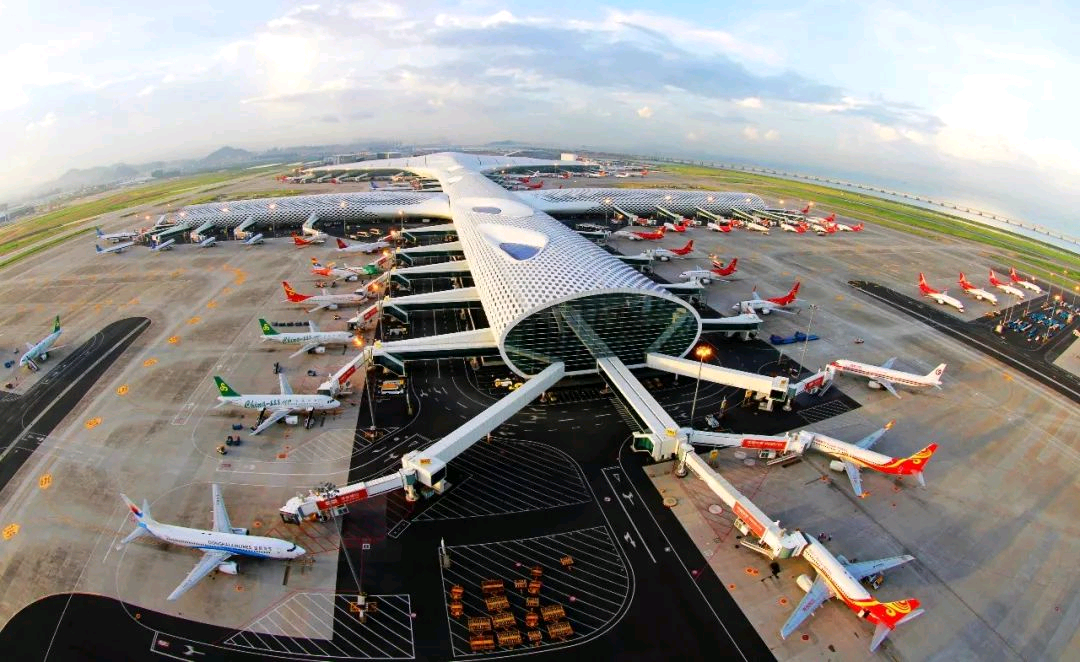
Load Classification: Why Not All Airport Loads Are Equal
To properly size and configure an airport transformer, the electrical loads must be categorized by their operational priority. In professional electrical design, this is achieved through strict load classification, commonly categorized into first-level, second-level, and third-level loads.
First-level loads (Critical Loads): These are systems that absolutely cannot lose power. They include fire protection equipment, security checkpoints, main communication rooms, key passenger elevators, emergency lighting, and flight safety-related systems. These loads are strictly backed up by UPS systems and emergency generators.
Second-level loads: These are highly important but non-life-threatening systems, such as primary water pumps, general terminal lighting, and important support equipment. While brief interruptions are highly undesirable, they do not immediately compromise life safety.
Third-level loads: These encompass general office equipment, non-critical commercial retail spaces, and aesthetic lighting.
The pad mounted transformer RFQ must clearly identify which load groups the unit will serve. Understanding how airport loads should be classified before transformer sizing allows the manufacturer to optimize the unit's thermal capacity and overload tolerance, ensuring the transportation hub transformer can sustain critical operations during peak demand or emergency scenarios.
Terminal Loads: HVAC, Lighting, Security, Communication and Baggage Systems
Breaking down the specific components of the terminal expansion reveals the true complexity of the power profile. Each subsystem places a unique demand on the electrical grid.
The HVAC load is typically the largest single consumer of energy in the terminal. Modern climate control relies heavily on variable-frequency drives (VFDs) or variable-speed control mechanisms. While highly efficient, VFDs can introduce harmonic distortion into the electrical network, requiring the transformer to be designed with appropriate harmonic mitigation (e.g., K-factor ratings).
The baggage handling system introduces both continuous operational loads and severe transient peak loads when heavy conveyor motors start up simultaneously.
Security and communication system loads require ultra-clean, stable power with 24/7 operation requirements to maintain data integrity and passenger screening throughput. Fire protection loads demand high-priority, fail-safe power availability.
Lighting loads are vast, covering the interior terminal spaces, exterior apron areas, and expansive parking facilities. Elevator and escalator loads present frequent, high-torque peak demands as passengers surge through the facility. Finally, retail and commercial loads contribute a highly variable, somewhat unpredictable baseline demand.
Buyers must explicitly state any monitoring or specific signal requirements related to these subsystems before quotation, allowing the transformer manufacturer to integrate the necessary current transformers (CTs) or voltage sensors.
Protection Mechanisms and Intelligent Monitoring Requirements
A high-capacity three phase transformer serving a major public infrastructure asset must be heavily defended against electrical anomalies. Robust protection mechanisms are non-negotiable. The specification must mandate comprehensive overcurrent protection, undervoltage protection, and rapid short-circuit protection to isolate faults before they propagate through the terminal.
Moreover, modern airport power systems demand extensive intelligent monitoring requirements. Facilities operators need real-time data to prevent outages. The pad mounted transformer should be equipped with advanced transformer temperature monitoring, liquid level sensors, and pressure relief indicators. More importantly, these sensors must feature communication alarm outputs that support status monitoring and active fault warning.
Airport facility management often requires remote alarms, deep data visualization, a native SCADA system interface, or direct power monitoring integration. These smart power monitoring parameters must be thoroughly discussed before quotation, ensuring the manufacturer installs compatible digital relays and communication protocols (such as Modbus or IEC 61850) directly into the equipment at the factory.
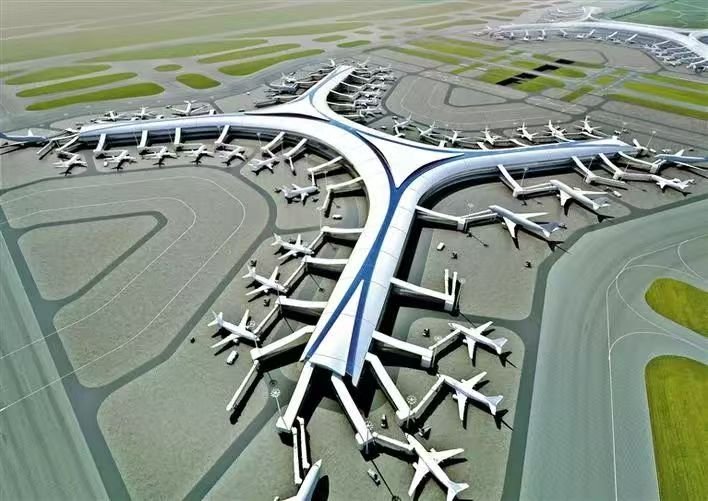
Energy Management: Variable-Speed Equipment and Future Solar PV Planning
Energy management is a paramount concern for modern aviation authorities aiming to reduce operating expenses and carbon footprints. A significant portion of this involves the optimization of HVAC and pump loads using variable-frequency drives or variable-speed control where applicable, ensuring the facility only consumes the energy required for current occupancy levels.
Additionally, many transportation hubs are planning for a future rooftop photovoltaic system to supplement grid power. When integrating renewable energy, solar PV and energy management can help reduce dependence on purchased electricity, but final economic performance depends heavily on local electricity price, regional grid policy, specific system design, and overall project operation. A transformer intended to interface with future solar arrays must be designed to handle bidirectional power flow and specific voltage regulation challenges.
Distributed Power Supply and Future Terminal Expansion
Massive airport footprints cannot be efficiently powered by a single centralized substation. Instead, airports and transportation hubs utilize distributed power supply networks, placing localized pad mounted transformers strategically near high-demand areas. These distributed power points are carefully allocated across terminal halls, boarding corridors, parking areas, commercial zones, service areas, and ground support equipment areas.
Properly planning a distributed power supply matters immensely for future terminal expansion. As the airport grows, the electrical infrastructure must grow with it. Planners must calculate capacity not just for today’s passenger volume, but for the next decade's projected growth. This includes reserving substantial electrical capacity for future EV charging stations in the parking garages and high-current ground support equipment charging on the apron.
Outdoor Pad Mounted Transformer Installation and Cable Routing
The physical installation of the equipment requires precise civil-electrical coordination. The outdoor pad mounted transformer location must be selected to balance proximity to the load with safe isolation from public traffic.
Developing the concrete pad and foundational dimensions is a critical early step. The foundation must be engineered to support the equipment's fluid-filled weight while aligning perfectly with the planned underground cable routing. The cable entry direction (typically bottom-entry for pad mounted units) dictates exactly where the high-voltage and low-voltage conduits must rise through the concrete.
Furthermore, the site layout must provide adequate maintenance access for utility crews, robust anti-collision protection (such as steel bollards) to prevent damage from service vehicles, proper site drainage to prevent base corrosion, and clear delivery access for heavy rigging equipment during the initial installation.
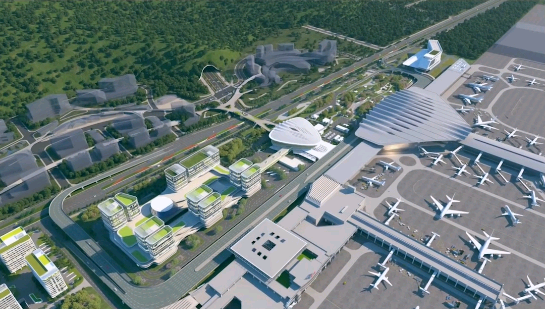
Claire's Story: From Terminal Expansion Drawings to a Clear Pad Transformer RFQ
When Claire first reviewed the terminal expansion drawings, she saw lines of conduit and massive HVAC schedules. She knew that simply handing a basic kVA request to the purchasing department would result in severe delays, much like the scenarios outlined in how Maya prepared early for commercial projects. A generic transformer would likely arrive missing the SCADA communication ports or possessing the wrong cable entry alignment.
Claire initiated a comprehensive data-gathering phase. She worked closely with the mechanical engineers to quantify the baggage handling and HVAC variable-speed loads. She consulted the facility’s IT department to define the exact SCADA system interface required for the smart power monitoring array. She mapped the underground cable routing to ensure the pad dimensions and cable entry direction were locked in before the concrete was poured. By the time she was ready to contact suppliers, she didn't just have a request for price; she had a robust, site-specific engineering document that eliminated manufacturer guesswork and protected the project’s rigid delivery schedule.
What Claire Sent Before Requesting a Quotation
To ensure a flawless engineering review before quotation, Claire compiled a comprehensive technical package containing the following critical project data:
- Airport or transportation hub site layout
- Terminal expansion drawings
- Load classification breakdown
- Expected kVA
- Primary voltage
- Secondary voltage
- Single phase or three phase requirement
- 50Hz or 60Hz frequency standard
- HVAC load specifications
- Baggage handling system load data
- Security and communication system loads
- Fire protection loads
- Emergency power interface requirements
- Smart monitoring / SCADA needs
- Underground cable routing plan
- Cable entry direction
- Concrete pad / foundation condition
- Maintenance access requirements
- Anti-collision protection needs
- Future expansion plan capacity reserves
- EV or ground support equipment charging plan
- Specific local utility requirements
- Testing documents needed for commissioning
- Destination country regulations
- Required delivery schedule
RFQ Checklist for Airport and Transportation Hub Transformer Projects
To standardize this rigorous procurement process, Claire developed the following comprehensive checklist. It serves as a blueprint for confirming RFQ requirements and accessories for any large-scale transportation infrastructure project.
| RFQ Item | What Claire Should Provide | Why It Matters |
|---|---|---|
| Airport/transportation hub site layout | Comprehensive maps of the facility grounds. | Identifies physical locations for distributed power supply points and clearance constraints. |
| Terminal expansion drawings | Architectural and electrical single-line diagrams. | Provides the baseline electrical architecture and physical routing paths. |
| Load classification | Details of first-level, second-level, and third-level loads. | Allows engineers to optimize overload tolerance and emergency backup interfaces. |
| Expected kVA | Total calculated capacity (e.g., 1500 kVA, 2500 kVA). | Determines the physical size, core design, and baseline cost of the transformer. |
| Primary voltage | Incoming utility voltage (e.g., 12.47 kV, 34.5 kV). | Dictates the high-voltage insulation class and primary bushing configuration. |
| Secondary voltage | Facility distribution voltage (e.g., 480Y/277V). | Ensures compatibility with terminal switchgear and transformer vector connections. |
| Single phase or three phase | Phase requirements. | Fundamental to three phase transformer core design and terminal power delivery. |
| 50Hz or 60Hz | Grid frequency standard. | Crucial for core loss calculations; mismatched frequency leads to severe overheating. |
| HVAC load | Details on chiller plants and variable-frequency drives. | Highlights potential harmonic distortion that requires specific K-factor transformer design. |
| Baggage handling system load | Motor start-up currents and continuous demand. | Ensures the transformer can handle severe, repetitive transient peak loads. |
| Security and communication system loads | Data center and checkpoint power needs. | Requires ultra-stable power delivery and UPS coordination. |
| Fire protection loads | Fire pump capacities and life-safety systems. | Must be classified as critical, first-level loads with fail-safe supply routes. |
| Emergency power interface | Transfer switch locations and generator tie-ins. | Transformer protection relays must coordinate with backup power switching. |
| Smart monitoring / SCADA needs | Required communication protocols (Modbus, IEC 61850) and sensors. | Enables real-time data visibility, remote alarms, and predictive maintenance. |
| Underground cable routing | Pathways for high and low voltage feeders. | Dictates the physical approach to the concrete pad. |
| Cable entry direction | Bottom entry, loop feed, or radial feed specifics. | Ensures transformer floor cutouts match the rigid conduit placements. |
| Concrete pad / foundation condition | Pad dimensions and structural limits. | Prevents delivery of a unit that is too large or heavy for the prepared site. |
| Maintenance access | Clearance required for utility workers (e.g., 10 feet front). | Mandatory for safe hot-stick operations and utility energization approval. |
| Anti-collision protection | Placement of protective bollards around the unit. | Protects the transformer from baggage carts and service vehicles without blocking doors. |
| Future expansion plan | Reserved capacity for upcoming terminal phases. | Prevents the need for premature transformer replacement as the facility grows. |
| EV or ground support equipment charging plan | Anticipated charging loads on the apron or parking decks. | Accounts for significant new, high-demand electrical loads. |
| Utility requirements | Specific local municipal or airport authority grid codes. | Ensures the unit passes mandatory final inspections. |
| Testing documents | Required FAT reports and compliance certificates. | Vital for commissioning and handover to facility management. |
| Destination country | Final installation location. | Defines shipping logistics and national safety standards (e.g., IEEE vs IEC). |
| Required delivery schedule | Target date for equipment arrival on site. | Allows the manufacturer to allocate factory slots and secure long-lead materials. |
How TransformerGrid Helps Review Airport Transformer Requirements
Procuring heavy electrical infrastructure for an airport is not a solitary task. By collaborating with experts early, project coordinators like Claire avoid critical compliance and dimensional errors.
TransformerGrid engineers can help review airport transformer requirements before quotation. When you submit your single-line diagrams, terminal expansion drawings, and load classifications, our technical team evaluates the proposed cable routing, assesses the smart monitoring SCADA integration, and verifies utility compliance. There is no consulting fee and no pressure to order—just early technical communication before the project becomes urgent. To start the process, and secure your project's power foundation.
Conclusion
Securing a reliable power supply for an airport terminal or transportation hub requires far more than a basic price check. The complexities of dual power supply architecture, emergency backup integration, strict load classification, and sophisticated smart power monitoring demand a rigorous, highly detailed RFQ process.
By adopting a proactive approach—gathering terminal expansion drawings, mapping underground cable routing, and defining precise utility requirements—buyers ensure that the resulting pad mounted transformer is perfectly engineered for the facility. Early technical communication with an experienced manufacturer prevents costly site rework, eliminates delivery delays, and guarantees that the airport’s critical infrastructure operates flawlessly for decades to come.
Frequently Asked Questions
Ready to Plan Your Airport or Transportation Hub Power Project?
Planning an airport terminal, transportation hub or ground support power project?
Send us your site layout, terminal expansion drawings, load classification, expected kVA, primary voltage, secondary voltage, phase, frequency, cable routing, cable entry direction, emergency power interface, smart monitoring needs, utility requirements, testing document needs, destination country and required delivery schedule.
TransformerGrid engineers can help review your pad mounted transformer requirements before quotation.
No consulting fee. No pressure to order. Just early technical communication before your project becomes urgent.
For product scope, kVA ranges, compartment options and RFQ information, review the TransformerGrid pad mounted transformer product page.