Pad Mounted Transformer for Food Processing Plants: How Isabella Reduced Production Loss Risk with Dual Power, Rooftop Solar and 10kV Step-Up Planning
Introduction: Isabella Was Protecting Production Continuity, Not Just Buying Equipment
Isabella, the lead electrical procurement manager for a major international food and beverage conglomerate, faced a critical challenge. Her company was constructing a massive new food processing and packaging facility in a tropical region known for its high humidity, intense heat, and occasionally unstable local power grid. Her task was to procure the main electrical distribution equipment, specifically the pad mounted transformer units that would serve as the heart of the factory's power system.
However, Isabella understood that she was not merely buying a metal box with copper coils. She was responsible for protecting the continuity of a multi-million-dollar production operation. In the food processing industry, a sudden power failure does not just mean the lights go out; it means raw materials spoil, automated production lines jam, massive refrigeration systems fail, and hundreds of workers stand idle. This guide explores how Isabella systematically planned her factory's power infrastructure, incorporating dual-circuit power strategies, rooftop solar integration, and a 10kV step-up transformer system to mitigate production loss risks before ever requesting a quotation.
Why Power Stability Matters More Than Initial Price in Food Processing
When procuring industrial electrical equipment, it is tempting to focus entirely on the initial capital expenditure (CapEx). Procurement departments often compare quotes based solely on the bottom-line price of the transformer. However, in the food processing sector, the initial purchase price of a pad mounted transformer is negligible compared to the potential financial devastation caused by a single catastrophic failure.
Power stability is the absolute foundation of food safety and production efficiency. A transformer that overheats and trips offline during peak summer production can cause an entire batch of perishable goods to exceed safe temperature limits, resulting in total product loss. Furthermore, the cost of emergency replacement, expedited air freight for a new transformer, and the specialized labor required for urgent installation far outweighs any savings gained by purchasing a substandard unit. Isabella knew that investing in a robust, properly sized, and well-protected transformer was an insurance policy against catastrophic operational downtime.
Production Lines, Downtime and the Hidden Costs of Transformer Failure
Modern food processing plants rely heavily on continuous, automated production lines. These lines consist of synchronized conveyors, precision cutting machines, high-temperature ovens, industrial mixers, and automated packaging robots. These machines require clean, stable, three phase power to operate correctly.
When a transformer fails or experiences a severe voltage drop, the hidden costs accumulate rapidly. First, there is the immediate loss of the product currently on the line, which often must be scrapped due to food safety regulations if the process is interrupted. Second, there is the mechanical cost: sudden power loss can damage sensitive variable frequency drives (VFDs) and programmable logic controllers (PLCs) that govern the machinery. Finally, there is the extensive time required to clean the jammed machinery, recalibrate the sensors, and safely restart the entire synchronized line.
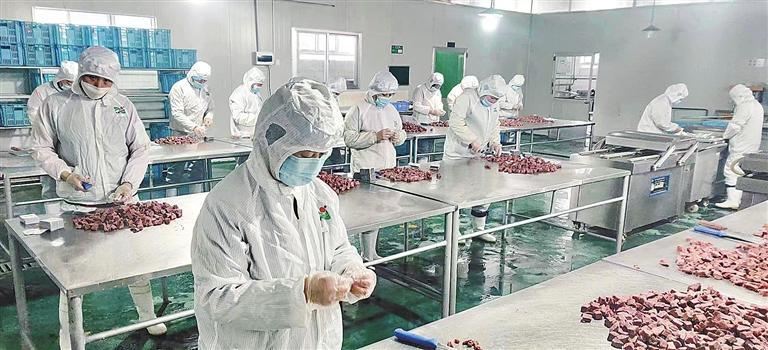
Large Workforce, Restart Time and Production Interruption Cost
Beyond the machinery and the raw materials, food processing plants employ massive workforces. A single shift might involve hundreds of workers managing quality control, packaging, logistics, and facility maintenance. When the main pad mounted transformer fails, this entire workforce is immediately rendered unproductive.
The financial impact of this idle labor is staggering. The company must continue to pay wages while production is halted. Moreover, the restart time for a food processing plant is notoriously long. After power is restored, the facility cannot simply flip a switch and resume full production. Systems must be purged, sanitation protocols must be re-verified, and temperatures must be stabilized before raw materials can be reintroduced. This means a one-hour power outage can easily result in a four-hour production delay, severely impacting delivery schedules and straining relationships with major retail distributors.
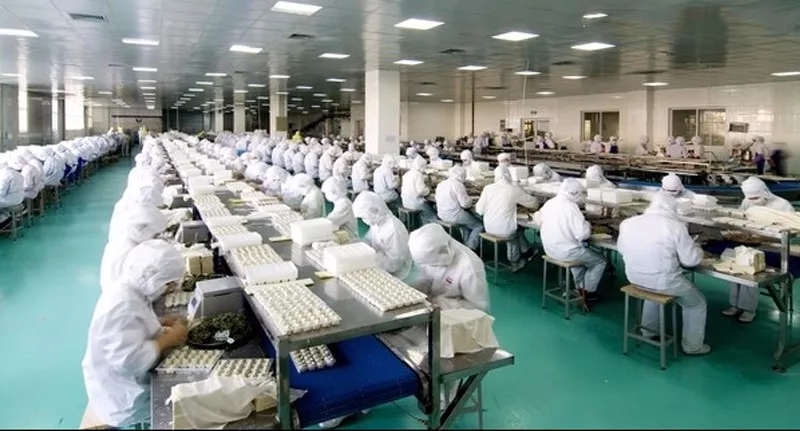
Refrigeration Loads and Food Spoilage Risk in Tropical Environments
Isabella's project was located in a tropical environment, which introduced severe challenges regarding ambient temperature and humidity. The facility included massive cold storage warehouses and blast freezers essential for preserving perishable ingredients and finished goods. These refrigeration systems represent some of the most demanding electrical loads in the entire plant.
Industrial compressors require massive inrush currents to start. If the pad mounted transformer for cold storage is undersized, the voltage drop during compressor startup can cause other sensitive equipment to trip offline. Furthermore, in a tropical climate, the transformer itself must dissipate its internal heat into an already hot environment. Isabella had to ensure the transformer was specified with adequate cooling radiators, high-grade insulation oil, and a robust temperature rise rating to prevent thermal degradation while continuously powering the critical refrigeration loads that prevented total food spoilage.
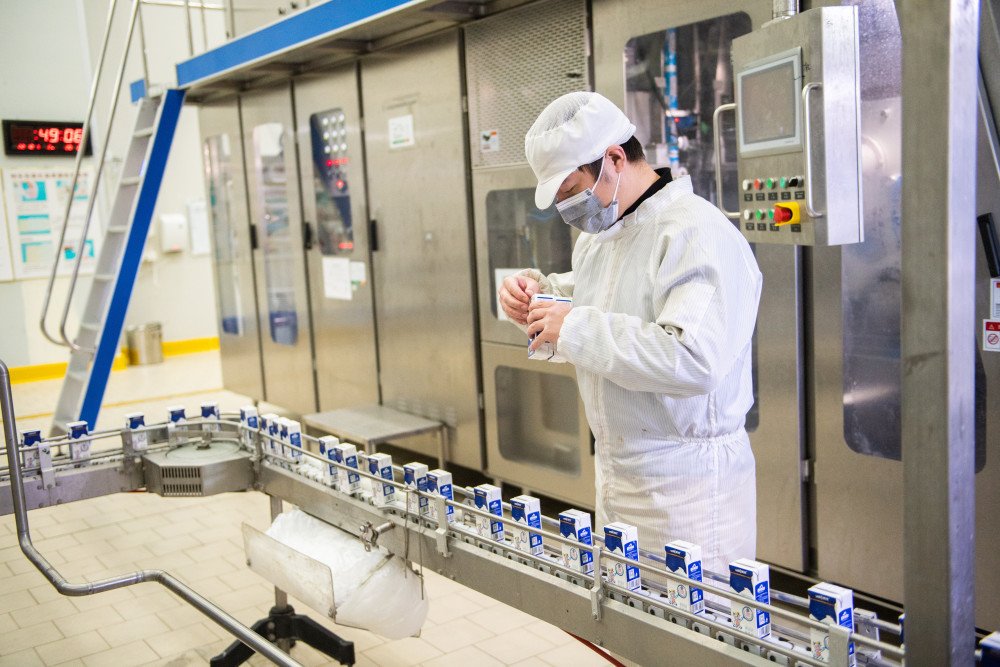
Why a Reliable Power Strategy Matters: Dual-Circuit Thinking
Recognizing the unacceptable risks of a single point of failure, Isabella implemented a dual-circuit power strategy. Instead of relying on one massive transformer to power the entire facility, she divided the plant's electrical architecture into critical and non-critical zones, fed by separate, redundant utility lines where possible.
In this dual-circuit concept, the critical loads—such as the refrigeration compressors, the central control room, and the emergency lighting—were supported by a dedicated primary pad mounted transformer with an automatic transfer switch (ATS) connected to a backup generator system. The non-critical loads, such as administrative office HVAC and general warehouse lighting, were powered by a secondary unit. This strategy helps reduce risk by ensuring that even if the local utility grid experiences a severe fault, the most vital systems preserving the food inventory remain operational.
Rooftop Solar, 10kV Step-Up Transformer and Energy Storage Planning
To further enhance power resilience and meet corporate sustainability goals, Isabella's facility design included a massive rooftop solar photovoltaic (PV) array. The expansive flat roofs of the food processing plant provided ideal real estate for solar panels. However, integrating megawatt-scale solar power into an industrial facility requires precise electrical engineering.
The solar inverters generate low-voltage AC power, which must be stepped up to match the facility's internal medium-voltage distribution loop or the local utility grid for export. Isabella planned for a dedicated 10kV step-up transformer specifically designed to handle the unique harmonics and bidirectional power flow characteristic of solar PV systems. Additionally, she incorporated an industrial battery energy storage system (BESS) to capture excess solar generation during peak daylight hours, which could then be discharged during expensive peak utility rate periods or used to smooth out power fluctuations during grid instability.
Green Electricity and Carbon-Credit Value
The integration of the rooftop solar array and the 10kV step-up transformer was not just about operational resilience; it was a strategic financial decision. By generating a significant portion of its own power, the food processing plant could reduce its reliance on fossil-fuel-heavy utility grids.
While Isabella knew better than to rely on assumptions of guaranteed carbon trading income or guaranteed electricity cost elimination, she understood that verifiable green electricity generation supports corporate ESG (Environmental, Social, and Governance) reporting. In many jurisdictions, demonstrating a reduced carbon footprint can support favorable tax treatments, improve brand reputation among environmentally conscious consumers, and potentially open avenues for participating in regional carbon-credit markets. The step-up transformer was the critical link that made this green energy strategy technically viable.
Pad Mounted Transformer Installation, Cable Routing and Delivery Schedule
With the electrical strategy defined, Isabella turned her attention to the physical realities of the site. A pad mounted transformer requires meticulous civil engineering preparation. She coordinated with the site architects to finalize the concrete pad dimensions, ensuring the foundation could support the immense weight of the oil-filled units while providing adequate drainage in the heavy tropical rains.
Underground cable routing was carefully mapped to avoid interfering with the factory's extensive plumbing and wastewater management systems. Isabella verified the exact cable entry direction (bottom entry) to ensure the heavy medium-voltage cables would align perfectly with the transformer's high-voltage compartment. Finally, she established a strict delivery schedule. Because the transformers had to be installed before the building envelope was fully sealed and before the refrigeration compressors could be commissioned, managing the pad mounted transformer lead time was critical to keeping the entire construction project on track.
Isabella's Story: From Production Risk to a Clear Transformer RFQ
Isabella's approach transformed a high-risk procurement task into a highly controlled engineering process. She did not simply email suppliers asking for "the price of a 2000kVA transformer." She understood that vague requests lead to assumptions, and assumptions lead to catastrophic failures on the factory floor.
By taking the time to map out the production line loads, calculate the massive inrush currents of the refrigeration compressors, design a dual-circuit resilience strategy, and plan the 10kV solar step-up integration, Isabella built a comprehensive technical profile. When she finally approached manufacturers, she presented a detailed, engineered Request for Quotation (RFQ) that left no room for ambiguity. This clarity allowed suppliers to provide accurate pricing, confirm technical feasibility, and commit to realistic delivery schedules, ultimately protecting the food processing plant from devastating operational delays.
RFQ Checklist for Food Processing Plant Transformer Projects
To assist other industrial procurement managers in the food and beverage sector, Isabella compiled her requirements into a standardized RFQ checklist. Providing this information upfront helps reduce risk and ensures the manufacturer designs a unit capable of surviving the harsh realities of food production.
| RFQ Item | What Isabella Should Provide | Why It Matters |
|---|---|---|
| Factory site layout | Overall map of the facility and utility connection points. | Determines the physical distance between the grid and the main switchgear. |
| Production area layout | Detailed floor plan of processing and packaging zones. | Helps map the distribution of low-voltage power across the factory floor. |
| Transformer location | Specific outdoor coordinates for the pad mounted units. | Dictates environmental exposure, security needs, and maintenance access. |
| Equipment load list | Comprehensive inventory of all electrical machinery. | Forms the baseline for calculating total required transformer capacity. |
| Production line load | Power requirements for conveyors, mixers, and ovens. | Identifies continuous, heavy-duty operational demands. |
| Packaging line load | Power needs for automated robotics and sealing machines. | Highlights sensitive electronic loads that require stable voltage. |
| Refrigeration load | Total power draw of all cooling and freezing systems. | Critical for food safety; represents the largest continuous power draw. |
| Cold room load | Specific requirements for insulated storage areas. | Ensures the transformer can handle continuous 24/7 cooling demands. |
| Compressor starting data | Inrush current and starting frequency of large compressors. | Prevents severe voltage sags that could trip other factory equipment offline. |
| Pump motor load | Data on water, fluid, and sanitation pumping systems. | Accounts for highly inductive loads that affect the facility's power factor. |
| Expected kVA | Total calculated load plus a 20-25% safety margin. | Determines the physical size and core capacity of the transformer. |
| Primary voltage | The incoming medium voltage from the local utility grid. | Defines the high-voltage insulation class and bushing configuration. |
| Secondary voltage | The operating voltage of the factory machinery (e.g., 480V). | Ensures compatibility with the facility's main switchgear and motors. |
| Single/three phase | Confirmation of three-phase power requirement. | Industrial motors and heavy machinery strictly require three-phase power. |
| 50Hz/60Hz | The operating frequency of the destination country's grid. | Fundamental for core design; incorrect frequency causes catastrophic overheating. |
| Cable routing | Pathways for underground high and low voltage cables. | Guides the orientation of the transformer pad and access doors. |
| Cable entry direction | Specification for bottom-entry conduit alignment. | Ensures the heavy cables can physically connect to the transformer terminals. |
| Concrete pad condition | Structural details and dimensions of the mounting foundation. | Prevents delivery of a unit that does not fit the prepared civil works. |
| Tropical environment description | Data on maximum ambient temperature and humidity levels. | Dictates the required cooling capacity and temperature rise limits. |
| Corrosion protection | Requirements for specialized paint and stainless steel hardware. | Protects the enclosure from rapid degradation in humid or coastal climates. |
| Critical-load strategy | Identification of systems that cannot lose power (e.g., freezers). | Guides the sizing of the primary redundant transformer and backup systems. |
| Dual-circuit concept | Plans for splitting loads across multiple utility feeds. | Enhances facility resilience by eliminating a single point of failure. |
| Rooftop PV capacity | Total megawatt rating of the planned solar array. | Determines the required capacity of the solar step-up transformer. |
| Inverter output voltage | The low-voltage AC output from the solar inverters (e.g., 800V). | Defines the low-voltage side of the step-up transformer. |
| Grid-connection voltage | The voltage required to interface with the utility or internal loop. | Defines the high-voltage side of the step-up transformer. |
| 10kV step-up requirement | Specifics for stepping solar power up to a 10kV distribution level. | Ensures the transformer is designed for bidirectional flow and solar harmonics. |
| Energy storage plan | Details of any planned Battery Energy Storage Systems (BESS). | Affects load profiling and potential peak-shaving strategies. |
| Self-consumption/surplus export policy | How the facility plans to use or sell generated solar power. | Influences the metering and protection relay requirements. |
| Utility requirements | Specific standards mandated by the local power company. | Ensures the equipment will be approved for connection to the grid. |
| Testing documents | List of required Factory Acceptance Test (FAT) reports. | Provides proof of performance and quality before the unit ships. |
| Destination country | The final location of the food processing plant. | Dictates shipping logistics, customs documentation, and national standards. |
| Delivery schedule | The required arrival date to align with construction phases. | Allows the manufacturer to allocate production slots to meet deadlines. |
| Future expansion plan | Anticipated growth in production lines over the next 5-10 years. | Ensures the transformer has adequate reserved capacity for future loads. |
How TransformerGrid Helps Review Food Plant Transformer Requirements
Designing the electrical infrastructure for a large-scale food processing plant is a complex engineering challenge that should not be handled in isolation. The risks of undersizing a transformer for heavy refrigeration loads or improperly specifying a solar step-up unit are simply too high.
TransformerGrid engineers specialize in reviewing industrial power requirements before the procurement phase begins. By submitting your factory site layout, equipment load lists, compressor starting data, and dual-circuit strategies, our technical team can help identify potential bottlenecks and ensure your specifications align with manufacturing realities. We provide this early technical communication to help you refine your RFQ, ensuring that when you are ready to order, you receive equipment that supports your production continuity. today to safeguard your facility's power foundation.
Conclusion
For food processing plants, a pad mounted transformer is not a generic commodity; it is the critical linchpin that sustains production, protects perishable inventory, and keeps the workforce operational. Isabella's success in procuring the right equipment stemmed from her rigorous preparation.
By thoroughly analyzing production line loads, accounting for the massive inrush currents of tropical refrigeration systems, and implementing a forward-thinking dual-circuit and solar integration strategy, she mitigated the hidden costs of power failure. Facility managers and procurement officers who adopt this systematic approach—clarifying every technical detail from cable routing to testing documents before requesting a quotation—can significantly reduce operational risk and build a resilient, future-proof industrial power system.
Frequently Asked Questions
Ready to Plan Your Food Processing Plant Power?
Planning a food processing plant, cold storage facility or industrial production line?
Send us your factory site layout, equipment load list, refrigeration load, compressor starting data, expected kVA, primary voltage, secondary voltage, phase, frequency, cable routing, cable entry direction, dual-circuit strategy, rooftop PV capacity, testing document needs and required delivery schedule.
TransformerGrid engineers can help review your pad mounted transformer requirements before quotation.
No consulting fee. No pressure to order. Just early technical communication before your project becomes urgent.
For product scope, kVA ranges, compartment options and RFQ information, review the TransformerGrid pad mounted transformer product page.