Transformer Replacement Checklist for Electrical Contractors: How Liam Avoided Delays in Coastal Storm Projects
Introduction: Transformer Replacement is a Responsibility for Electrical Contractors
When a transformer fails, property owners look to electrical contractors for answers, speed, and safety. For an electrical contractor, a transformer replacement project is not merely an equipment purchase; it is a serious responsibility. Replacing high-voltage electrical equipment requires technical precision, strict adherence to local codes, and careful supply chain planning. Contractors who manage this process professionally protect their own reputation and secure long-term client trust.
Why Electrical Contractors Should Not Replace Transformers by Guessing
When a client calls about a broken transformer, they often only know that the power is out. They might say, "We need a new electric pole transformer" or "The green box in the yard is smoking." Many clients will simply ask the contractor to find a "similar" unit. However, electrical contractors cannot replace transformers by guessing.
An incorrect assumption about primary voltage, secondary voltage, or load capacity can lead to catastrophic failure, equipment damage, or severe safety hazards upon installation. If a contractor orders the wrong specification, they face severe installation delays, wasted capital, and a furious client. A strict transformer replacement checklist is mandatory to ensure every technical requirement is verified before a purchase order is signed.
The Nameplate Photo is the First Step
The foundation of any successful electrical contractor transformer replacement is accurate data. The most critical piece of data is the transformer nameplate photo. The nameplate provides the exact specifications of the original unit, including the kVA rating, primary voltage, secondary voltage, phase configuration (single phase or three phase), impedance, connection diagrams, and manufacturing standards. Before requesting a transformer quotation, a contractor must secure a clear, legible photo of this nameplate. It eliminates guesswork and provides the supplier with the precise technical baseline needed to quote an appropriate replacement.
Liam's Coastal Market Problem: Storms Create Urgent Replacement Demand
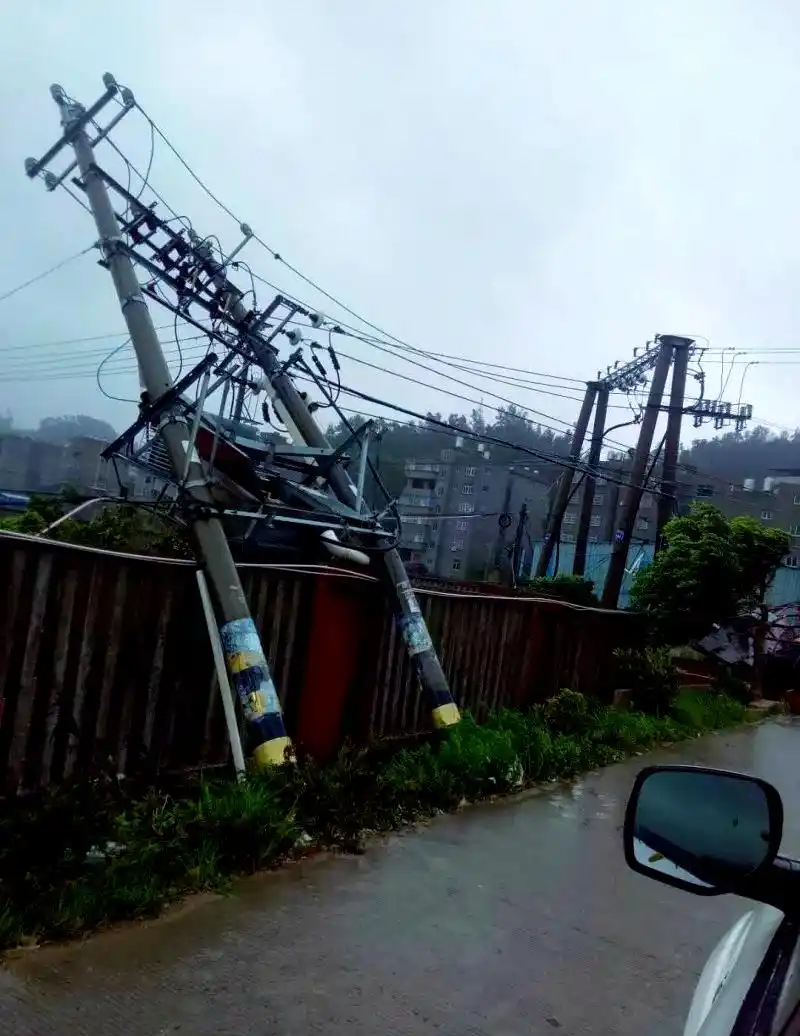
Liam Parker is an electrical contractor operating in a coastal city that faces severe typhoon weather annually. His region frequently experiences strong winds, falling trees, flying debris, heavy rain, and aggressive salt air. These conditions wreak havoc on outdoor electrical infrastructure.
Every storm season, Liam receives urgent calls from commercial facilities, farms, and industrial sites dealing with a storm damaged transformer or a typhoon damaged transformer. The damage is often physical—a crushed enclosure, shattered bushings, or a collapsed support structure. His clients demand immediate power restoration. Waiting months for a standard production run and international shipping is not an option when a facility is completely dark.
Local Stock Strategy: Why Common Transformer Models Matter
To solve this urgent demand problem, Liam developed a transformer local inventory strategy. Working closely with TransformerGrid, Liam analyzed his past replacement projects and identified the most frequently requested units in his coastal region.
He discovered that a 25 kVA transformer, a 75 kVA transformer, and a 100 kVA transformer were the most common models needed by his agricultural and light commercial clients. Instead of waiting for a storm to hit before ordering, Liam decided to keep a select number of these common models as local stock transformer units. This localized inventory strategy allowed him to bypass standard production lead times and international shipping delays when a storm struck.
Local Stock Does Not Replace Technical Review
Having a transformer in local inventory provides a massive speed advantage, but Liam knows that local stock does not replace technical review. Just because a 75 kVA transformer is sitting in his warehouse does not mean it is automatically suitable for the next emergency call.
Before mobilizing a replacement unit, Liam still rigidly follows his transformer replacement checklist. He must confirm that the site's primary voltage matches the stock unit, that the required secondary voltage is identical, and that the physical installation type aligns with the damaged unit. Speed is only valuable if the replacement is technically correct and safe to energize.
Pole Mounted Transformer Replacement: What Liam Checks
When dealing with a pole mounted transformer replacement, Liam's checklist includes specific physical and electrical checks. A power pole transformer (also known as a pole distribution transformer or pole transformer) must be compatible with the existing overhead line infrastructure.
Liam checks the mounting bracket type to ensure it fits the existing pole hardware. He reviews the bushing arrangement—whether the high-voltage bushings are cover-mounted or side-wall mounted. He assesses the physical weight of the replacement unit to ensure the aging wooden or concrete pole can safely support it, especially after a severe storm may have weakened the structure.
Pad Mounted Transformer Replacement: What Liam Checks
A pad mounted transformer replacement involves a different set of criteria. These units sit on the ground, typically on concrete pads, and connect to underground cables.
Liam first checks the physical footprint of the old pad mounted transformer. The new unit must align with the existing concrete pad dimensions and the cable opening (the "window" where underground cables emerge). He verifies the cable termination requirements—whether it uses dead-front or live-front connections, and whether it requires specific loop-feed or radial-feed configurations. Finally, he ensures the enclosure meets local safety and tamper-resistance standards.
Liam's Story: Winning Trust After a Coastal Storm
Following a particularly severe autumn typhoon, Liam received an emergency call from Sam, a local farm owner. A massive oak tree had fallen, completely crushing Sam's rural pole mounted transformer. Without power, the farm's irrigation pumps and cooling systems were dead, putting the entire season's harvest at risk.
Liam arrived on site quickly to assess the damage and confirm site safety. He carefully took a transformer nameplate photo of the crushed unit, noting it was a single phase, 50 kVA unit stepping down to 120/240V. He evaluated the site conditions, noting the severe coastal corrosion on the old mounting hardware caused by years of salt air exposure.
Because Liam had previously communicated with TransformerGrid and planned a selected local inventory of common models, he knew he had a suitable, corrosion-resistant replacement unit available. After verifying the primary voltage, secondary voltage, and load information against his stock, he immediately scheduled the replacement. Instead of telling Sam to wait 12 weeks for a new unit, Liam restored power within days. This rapid, technically sound response won Sam's permanent trust and strengthened Liam's local competitive advantage.
Why Supplier Capacity Matters for Local Contractors
Liam's success is not just about holding local inventory; it relies heavily on his supplier's production capacity. TransformerGrid supports Liam by ensuring a steady, reliable supply of high-quality transformers. When Liam depletes his local stock after a storm season, TransformerGrid's disciplined production schedule ensures his inventory is replenished without excessive delay. A local contractor cannot scale their emergency response business if their supplier cannot reliably deliver the required volume.
Why Local Inventory Can Help Contractors Win More Projects
In the electrical contracting business, especially during emergency recovery, the contractor who can safely restore power the fastest wins the project. By maintaining a local inventory of common models, Liam positions himself as the premier rapid-response contractor in his coastal market. When competitors are quoting long delivery times to facility managers, Liam can offer immediate solutions. This capability drastically reduces installation delays and protects the contractor's reputation as a reliable, capable professional.
Replacement is Not Only About the Old Transformer
A professional replacement project looks forward, not just backward. Liam evaluates whether the facility's power demands have changed since the original transformer was installed decades ago. Has the farm added more heavy machinery? Does the commercial building now require three phase power instead of single phase?
Furthermore, Liam checks specific testing documents and destination country compliance to ensure the new unit meets modern electrical codes, which may have updated since the old unit was installed. The goal is to provide a safer, more resilient power supply, not just replicate an outdated system.
How TransformerGrid Helps Liam Prepare a Clear RFQ
Before finalizing any custom order or inventory replenishment, Liam works with TransformerGrid to prepare a highly detailed transformer RFQ. Rather than sending a vague request, Liam provides the exact kVA rating, primary voltage, secondary voltage, installation type, and required accessories.
TransformerGrid engineers review these details to catch potential mismatches or technical omissions before production begins. They also help specify heavy-duty coatings and stainless steel hardware options to combat the severe coastal corrosion present in Liam's operating area, ensuring proper coastal corrosion protection. This engineering review guarantees a clear, accurate transformer quotation.
How Liam Explains the Decision to His Client
When Liam presents his quotation to a client like Sam, he does not just hand over a price sheet. He explains *why* the selected transformer is the right choice. He discusses how the heavy-duty paint system will resist coastal corrosion, how the verified voltage specifications ensure safe equipment operation, and how TransformerGrid's manufacturing quality ensures long-term reliability. By transparently explaining the technical logic behind the replacement, Liam educates his clients and justifies his professional contracting fees.
Conclusion
A coastal transformer replacement project is a high-stakes undertaking that demands technical rigor and strategic planning. For electrical contractors like Liam, avoiding guesswork, utilizing nameplate photos, checking exact voltage requirements, and partnering with a reliable supplier like TransformerGrid are essential practices. By maintaining a strategic local inventory and conducting thorough technical reviews, contractors can avoid installation delays, respond faster to storm damage, and build a reputation for unmatched reliability in their local markets.
FAQ
What should be in a transformer replacement checklist?
A comprehensive transformer replacement checklist must include the nameplate photo of the old unit, primary voltage, secondary voltage, kVA capacity, phase configuration (single phase or three phase), physical dimensions, mounting type (pole mounted or pad mounted), specific connection arrangements, required testing documents, and details regarding site conditions like coastal corrosion exposure.
Why is the nameplate photo important for transformer replacement?
The transformer nameplate photo provides the exact, manufacturer-verified electrical and physical specifications of the original unit. It acts as the technical baseline, ensuring that the contractor does not guess critical parameters like impedance, exact voltage ratings, or connection diagrams when requesting a replacement quotation.
How can electrical contractors plan local transformer inventory?
Contractors can plan local inventory by analyzing their historical project data to identify the most frequently replaced models (e.g., 25 kVA, 75 kVA, or 100 kVA units). By stocking a small, carefully selected volume of these common models, contractors can bypass factory production lead times and immediately address emergency replacement needs after storms.
What is the difference between pole mounted and pad mounted transformer replacement?
A pole mounted transformer replacement involves matching mounting brackets, weight limits, and overhead bushing configurations to an existing utility pole. A pad mounted transformer replacement requires verifying ground-level concrete pad dimensions, underground cable "window" alignment, and ensuring the secure enclosure meets local tamper-resistance standards.
Why does coastal corrosion affect transformer replacement decisions?
Coastal corrosion—driven by aggressive salt air, high humidity, and severe weather—rapidly degrades standard steel enclosures and mounting hardware. When replacing a transformer in a coastal area, contractors must specify enhanced corrosion protection, such as heavy-duty marine paint systems or stainless steel tanks, to prevent premature failure.
Can TransformerGrid help electrical contractors with replacement projects?
Yes. TransformerGrid assists electrical contractors by providing engineering reviews of site data and nameplate photos, helping them formulate a precise transformer RFQ. They also support contractors in establishing long-term supply relationships and planning strategic local inventory to respond faster to regional market demands.
How can local inventory help contractors win more projects?
When extreme weather causes widespread power outages, clients prioritize speed. Contractors holding local inventory can offer immediate power restoration while competitors must quote weeks or months of delivery time. This rapid response capability significantly boosts the contractor's reputation and win rate for emergency replacement projects.
Need transformer replacement support for your clients?
Send old transformer nameplate photo, site photos, required kVA rating, primary voltage, secondary voltage, single phase or three phase, pole mounted or pad mounted installation, common local models you want to stock, accessories, testing document requirements, coastal or storm exposure conditions, destination country and expected delivery time.
TransformerGrid can help electrical contractors review replacement details, plan common local inventory and prepare clearer pole mounted or pad mounted transformer quotations before ordering.