Pole and Pad Mounted Transformers for Hot Desert Projects in the UAE: How Karim Reduced Heat, Dust and Delivery Risk
Procuring transformers for Middle Eastern desert environments presents unique engineering challenges. The combination of extreme ambient heat and aggressive windblown sand requires strict verification before placing an order. Learn how Karim evaluated both pole and pad mounted transformer options for his UAE project to secure long-term reliability.
Why Hot Desert Projects Need More Careful Transformer Review
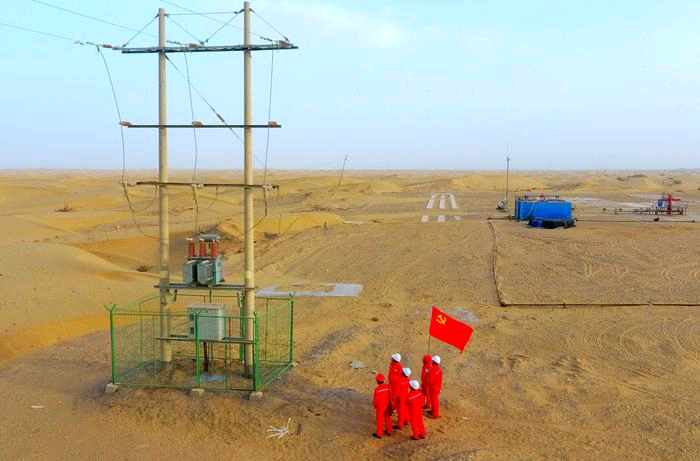
Karim, an electrical project manager in the UAE, was tasked with sourcing transformers for a remote industrial expansion. Standard off-the-shelf transformers designed for temperate climates are highly vulnerable to failure in a UAE hot desert project environment. The two primary enemies are an exceptionally high ambient temperature frequently exceeding 45°C (113°F) and fine, abrasive sand that can compromise seals and external finishes.
To prevent early failure, Karim knew he needed to look beyond the basic kVA rating and voltage specs. He had to ensure the manufacturer understood the physical realities of the site and could supply an outdoor distribution transformer designed to handle these environmental stresses.
Pole Mounted Transformer or Pad Mounted Transformer?
The project required a mix of distribution approaches. For long-distance rural distribution along the access roads, a pole mounted transformer was the practical choice due to its elevated position, keeping it clear of drifting ground sand and occasional flash floods.
However, near the main facility buildings, underground cabling was required for safety and layout reasons. Here, Karim specified pad mounted transformer units. The pad mounted units needed secure, tamper-proof enclosures and special attention to heat dissipation, as they sit directly on the hot desert surface.
The Real Technical Risk: High Temperature
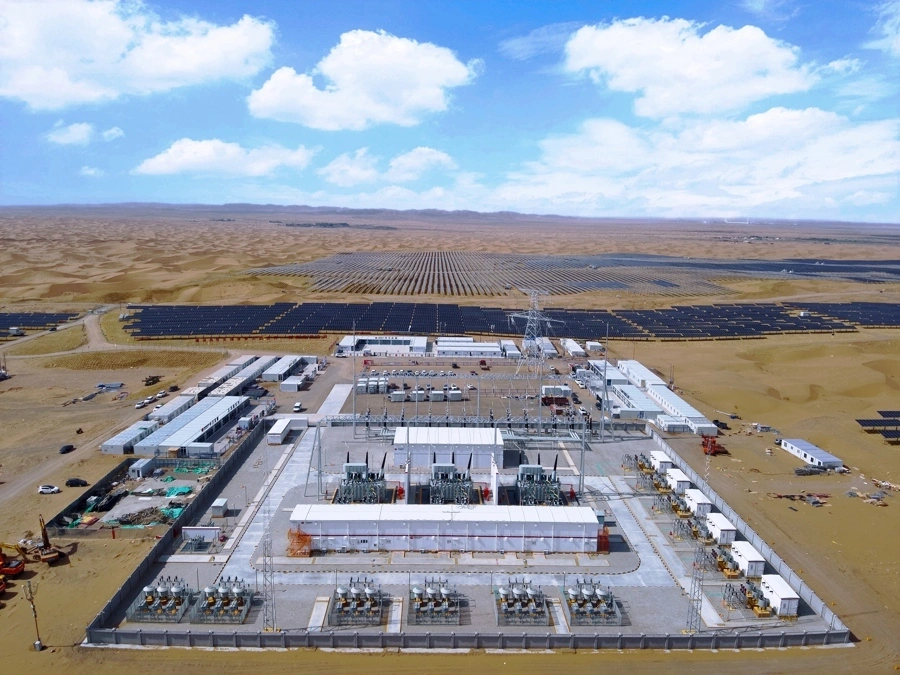
A transformer generates internal heat that must be dissipated into the surrounding air. In standard designs, the assumed maximum ambient temperature is typically 40°C. In Karim's UAE project, the temperature profile creates multiple cascading risks that require serious engineering review before quotation.
Insulation Aging
The life of a transformer is largely determined by the life of its insulation. Extreme heat accelerates the thermal degradation of paper insulation inside the coils. The "10-Degree Rule" dictates that the life of cellulose insulation is roughly halved for every 10°C increase in operating temperature above its design limit. A high ambient temperature means the internal hotspot temperature will easily exceed safe thresholds if not properly engineered, leading to rapid insulation aging.
Winding Overheating and Loss Increase
As the winding temperature rises, the electrical resistance of the copper or aluminum conductors also increases. This creates a vicious cycle: higher resistance leads to a copper loss increase, which generates even more internal heat, causing winding overheating.
Oil Deterioration in Oil-Immersed Transformers
For an outdoor distribution transformer relying on mineral oil for cooling and dielectric strength, sustained high temperatures are highly damaging. Oil deterioration in oil-immersed transformers occurs much faster under extreme heat, leading to oxidation, sludge formation, and a significant drop in insulating properties. A strict temperature monitoring and oil temperature limit strategy is often required.
Reduced Cooling Efficiency
Transformer cooling relies on the temperature delta (difference) between the internal oil and the outside ambient air. If the ambient air is already 50°C, the cooling efficiency is severely reduced. The transformer's radiators struggle to shed heat, requiring a larger cooling surface area to maintain safe transformer temperature rise limits.
Capacity Limitation and Safety Margin
To combat these issues, buyers often must apply a capacity derating or capacity limitation. If the peak load period of the facility coincides with the hottest part of the day—such as mid-afternoon in a desert summer—a standard 500kVA unit might only safely support 400kVA. Karim reviewed his facility's load profile to ensure the specified capacity had an adequate safety margin for extreme heat operation.
Our Real Supply Case
Why Test Reports and Documentation Matter
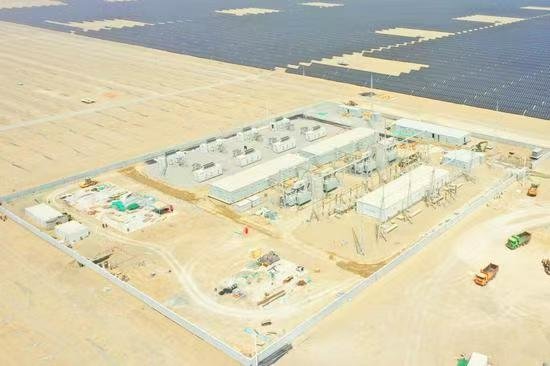
For a project in the UAE, local authorities and design institutes mandate strict compliance. Karim relied on us to provide a comprehensive transformer test report and exact technical data sheets matching his required specifications. Proper transformer documentation proves that the transformer was manufactured to withstand the declared temperature limits and dielectric requirements before it is shipped. Without this documentation, customs clearance and site energization can face massive delays.
Delivery Time Is Also a Serious Issue
Project schedules in the Middle East often run tight. Because specialized transformers require specific manufacturing adjustments (such as larger radiators or different oil specifications for heat dissipation), lead times can stretch if not managed properly. Karim communicated his timeline early, allowing us to align factory production capacity and organize optimized container loading to meet his delivery time deadline.
What Buyers Should Send Before Quotation
To avoid miscommunication and secure an accurate transformer quote for a demanding environment, buyers should prepare comprehensive details. The table below outlines what engineering review requires.
| Information Needed | Example |
|---|---|
| Project country | UAE, Saudi Arabia, Oman, Qatar, Egypt, etc. |
| Application type | Industrial park, solar project, utility distribution, outdoor power supply |
| Transformer type | Pole mounted transformer, pad mounted transformer or outdoor distribution transformer |
| kVA rating | Project-specific |
| Primary voltage | 11kV, 13.8kV, 33kV or local requirement |
| Secondary voltage | 400V, 480V or project-specific |
| Phase | Single phase or three phase |
| Frequency | 50Hz or 60Hz |
| Installation environment | Hot desert, outdoor, dusty area |
| Ambient temperature | 45°C, 50°C or project-specific |
| Load profile | Continuous load, peak load or mixed load |
| Cooling condition | Natural cooling, ventilation space or auxiliary cooling if required |
| Temperature monitoring | Oil temperature limit, alarm or monitoring requirement if applicable |
| Test report needs | Routine test, type test or special test requirements |
| Documentation needs | Drawings, nameplate, transformer documentation and export documents |
| Delivery time | Required installation, commissioning or energization date |
Hot Desert Transformer RFQ Checklist for Engineering Review
| Buyer Need | TransformerGrid Support |
|---|---|
| Hot climate transformer review | Review temperature, voltage, kVA and project conditions |
| Pole mounted transformer selection | Review overhead installation and outdoor application |
| Pad mounted transformer selection | Review ground-level installation and enclosure suitability |
| Transformer temperature rise concern | Review operating environment before quotation |
| Transformer test report | Communicate report and test-document expectations |
| Transformer documentation | Review technical and export-related documentation |
| Delivery time | Review lead time together with technical requirements |
| Fast quotation | Buyer can send drawing or project details by email or WhatsApp |
Frequently Asked Questions: Desert Transformers
Conclusion
Sourcing transformers for the UAE or other Middle Eastern desert regions is not an off-the-shelf purchase. Like Karim, smart buyers protect their projects by requiring a strict engineering review of ambient temperatures, requesting verifiable transformer test reports, and choosing a supplier with a proven track record in extreme environments to mitigate the risks of winding overheating and oil deterioration.
Need a Transformer for a Hot Desert Project?
For faster review, send your drawing, nameplate photo, kVA rating, voltage, project country and required delivery time if available. If you are not sure, contact us first — we can help you clarify the requirements.
For product scope, kVA ranges, compartment options and RFQ information, review the TransformerGrid pad mounted transformer product page.