Hospital Distribution Transformer Procurement Guide: How Emma Planned Reliable Power, Pad Mounted Transformer and Rooftop PV Step-Up Connection
The Critical Nature of Hospital Power Infrastructure
When Emma was appointed as the lead electrical procurement manager for a new regional hospital complex, she understood that her role was about more than just buying equipment. In a healthcare environment, a hospital distribution transformer is the heart of the facility. Uninterrupted power is not a luxury; it is a fundamental requirement for patient safety, life-support equipment operation, and long-term project stability.
A standard commercial approach to utility transformer procurement would not suffice. Emma had to ensure absolute reliability, seamless integration with backup generator systems, and compliance with stringent healthcare building codes.
Hospital Distribution Transformer Planning and Load Analysis
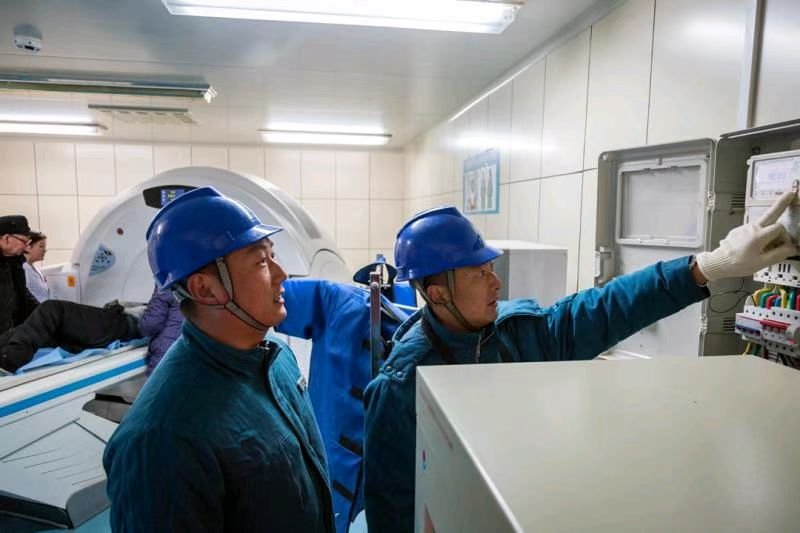
A hospital transformer must handle diverse and critical loads. Emma's facility included imaging centers (MRI and CT scanners) that draw massive, instantaneous power spikes, alongside sensitive surgical suites that require perfectly stable voltage.
To handle this, Emma worked with the design institute to establish a redundant N+1 power architecture. They determined that rather than relying on a single massive unit, the facility would use multiple synchronized transformers. This meant calculating the exact kVA rating, primary voltage, and secondary voltage required to maintain optimal efficiency without risking a dangerous overload during peak emergency intake hours.
Pad Mounted Transformer Selection for Safety and Aesthetics
Due to the urban location of the hospital and the need for clear helicopter flight paths to the emergency room, overhead power lines were strictly prohibited. This ruled out the use of a traditional pole mounted transformer.
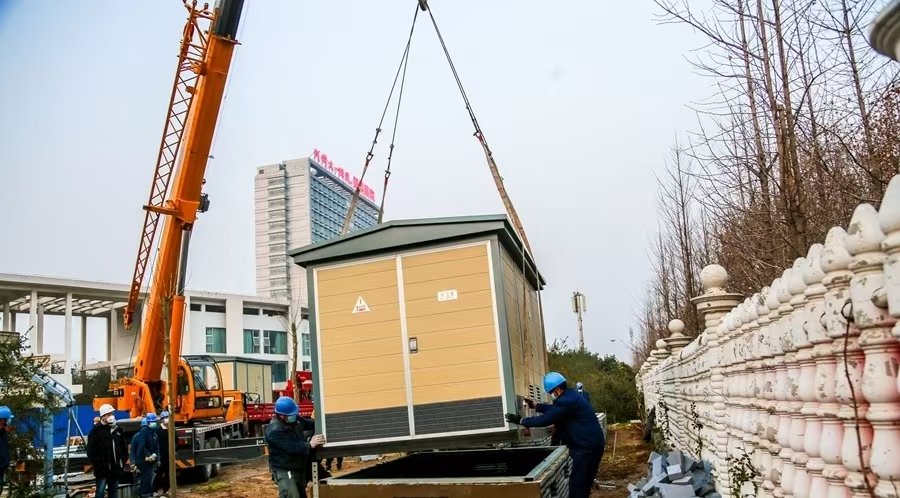
Instead, Emma specified a pad mounted transformer network for the outdoor service areas. A pad mounted transformer offers a cleaner, safer, ground-mounted distribution solution. Its heavy-duty, tamper-resistant steel enclosure protects the high-voltage components from unauthorized access, weather events, and accidental impacts from ambulance or delivery traffic.
Integrating Rooftop PV and Energy Storage
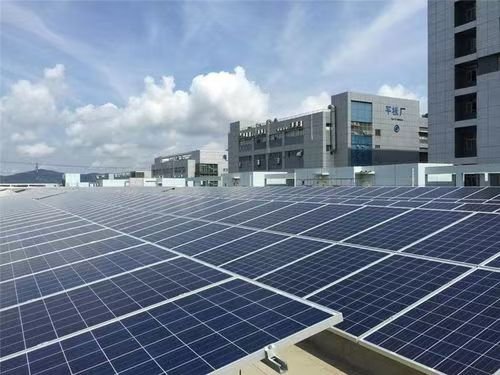
Modern hospitals are heavy energy consumers. To offset operational costs and meet new sustainability mandates, Emma's project incorporated a massive rooftop PV (photovoltaic) solar array combined with a battery energy storage system (BESS).
This rooftop PV system added a layer of complexity. The solar inverters output low-voltage AC power, which is sufficient for some localized building loads but often needs to be managed efficiently within the broader campus grid.
The Need for a Step-Up Transformer Grid Connection
Because the hospital's rooftop PV and energy storage systems generated significant excess power during peak daylight hours, the local utility required the facility to be capable of feeding power back into the medium-voltage grid.
To achieve this, Emma had to procure a specialized step-up transformer, similar to a step up transformer for solar and wind projects. A step-up transformer takes the low-voltage output from the solar inverters and elevates it to match the utility's medium-voltage distribution network. The engineering review for this step-up transformer was rigorous, requiring precise impedance matching and harmonic filtering to ensure the hospital's solar generation did not destabilize the local grid. It is crucial to confirm whether you need a step up or step down transformer before finalizing any order.
Engineering Review, Documentation, and Export Compliance
Because Emma was sourcing these highly specialized units internationally, she could not afford any documentation errors. A missing transformer test report or incomplete export documentation could leave the hospital's power equipment stranded in customs, delaying the facility's grand opening.
Before finalizing the quotation, Emma worked closely with the supplier's engineering team. They conducted a comprehensive engineering review of her single-line drawings, confirmed the required IEEE/IEC standards, and ensured that every transformer test report would be generated by a certified facility. They meticulously prepared the export documentation to guarantee a smooth delivery timeline.
Conclusion: Reliability Starts Before the Quotation
Emma's success in outfitting the hospital with a robust distribution transformer network, safe pad mounted transformer units, and an efficient rooftop PV step-up transformer was not accidental. It was the result of viewing the procurement process as an engineering partnership. By focusing on detailed documentation, technical alignment, and strict testing standards, she secured an electrical infrastructure capable of saving lives for decades to come.
To learn more about our commitment to engineering excellence, read About Us or visit our Contact page. You can also for your next critical infrastructure project.
For product scope, kVA ranges, compartment options and RFQ information, review the TransformerGrid pad mounted transformer product page.